17 Thanksgiving Table Decor Ideas That Wow Every Guest

You want your Thanksgiving table to feel special, but coordinating centerpieces, place settings, and layers without looking overdone gets tricky.
Most of us are working with what we already own, plus maybe a quick store run.
These seventeen Thanksgiving table decor ideas solve real problems like empty center space, mismatched dishes, and that flat look that happens when everything sits at one height.
You can pull most of them together in an afternoon with normal supplies and a little creative rearranging.
Here is what actually makes guests pause when they walk into your dining room.
1. Layer a Runner Over Your Everyday Tablecloth
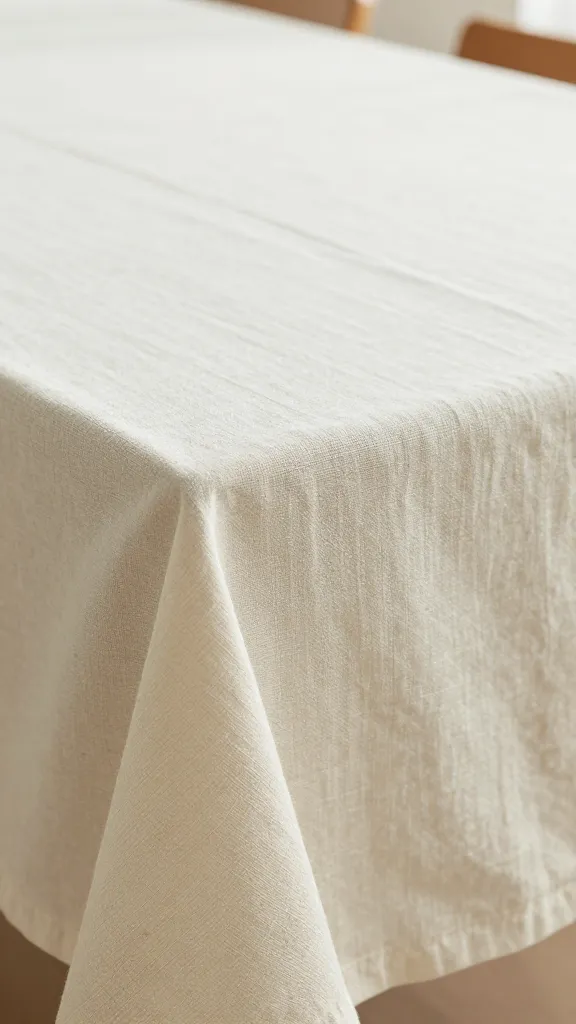
A plain tablecloth reads flat. Adding a runner down the center breaks up the expanse and gives you a natural lane for arranging your centerpiece without guessing where things should land.
Pick a runner in linen, burlap, or a soft plaid that contrasts with your base cloth. The width matters less than the texture. Even a strip of canvas drop cloth hemmed at the edges works if you want that raw, organic look.
This setup also hides any stains or wear on your main cloth. Guests see the layered styling, not the faded spot near the edge.
2. Fill a Wooden Dough Bowl with Gourds and Greenery
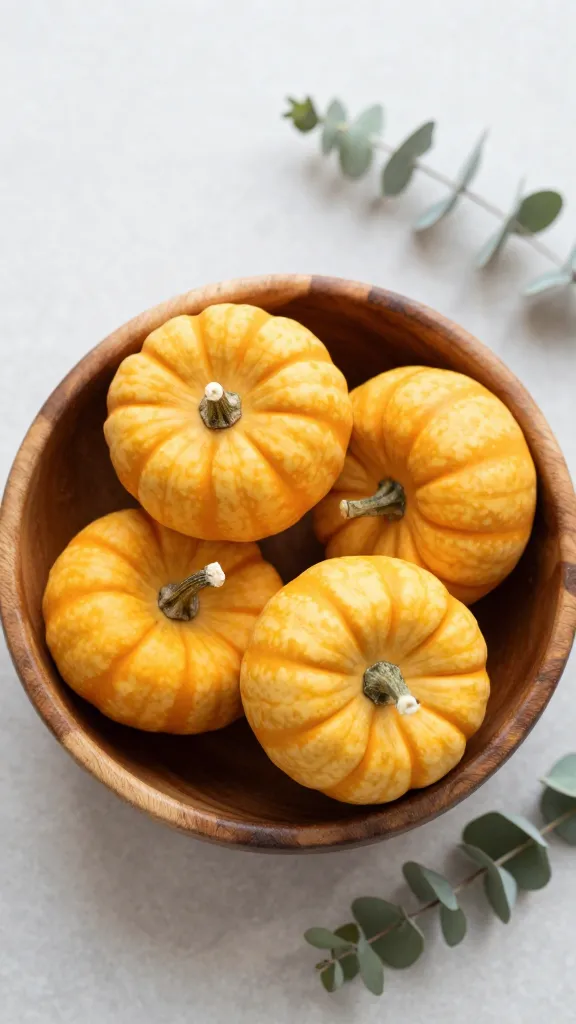
The build: Start with a long wooden dough bowl as your base, then pile in small gourds, mini pumpkins, and sprigs of eucalyptus or olive branches.
The bowl keeps everything contained so you are not chasing rolling pumpkins mid dinner. It also adds height variation because the sides lift the arrangement off the table surface. You can tuck in a few pillar candles between the gourds for a warm glow without committing to a full candelabra.
Swap the contents out after Thanksgiving and this becomes your year round centerpiece trick.
3. Use Cloth Napkins in a Warm Rust or Burnt Orange
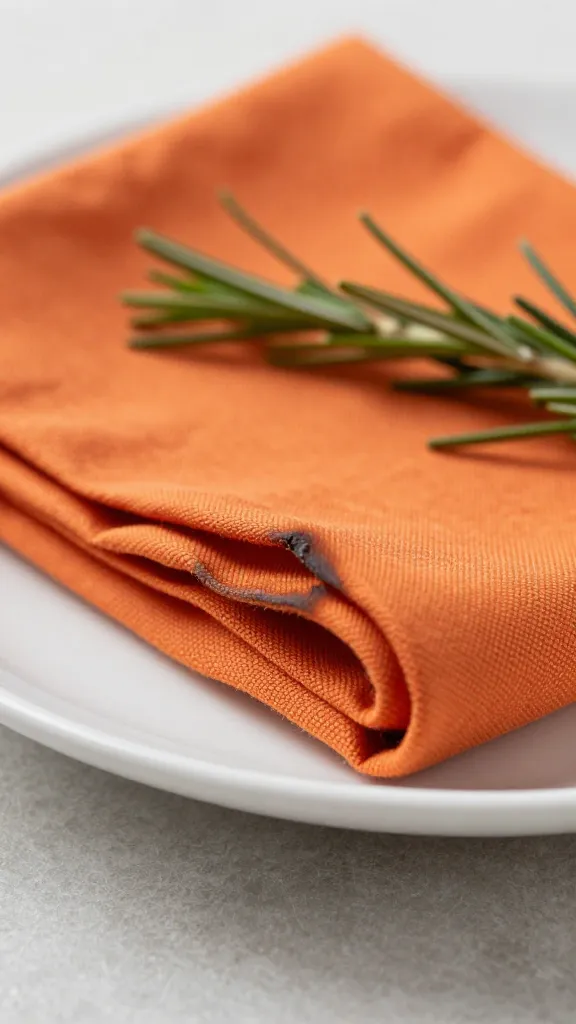
Paper napkins flatten a table setting fast. Cloth napkins in a saturated fall color immediately signal that you put thought into the meal.
- Base: white or cream dinner plates
- Main piece: rust, burnt orange, or deep gold cloth napkins
- Color: keep the napkin darker than your plates for contrast
- Finishing touch: a sprig of rosemary or a cinnamon stick tucked into each fold
Budget swap: Thrift stores stock cloth napkins by the bundle. They do not need to match perfectly as long as the color family holds together.
4. Stack Plates in Three Layers for Depth
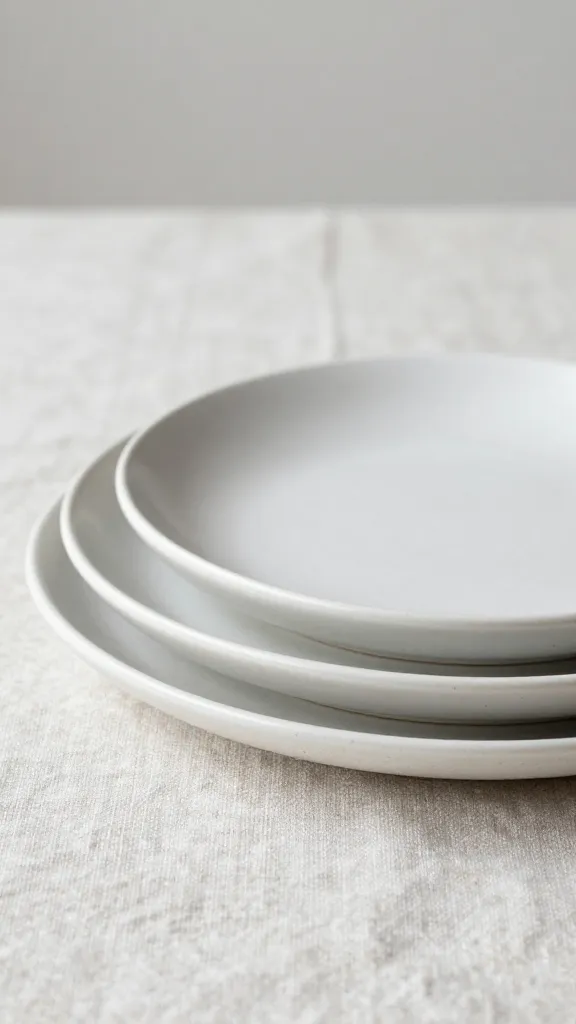
Best for: Tables that feel bare even with food on them, or when your everyday dishes look too plain for a holiday meal.
Start with a charger or larger plate, add your dinner plate, then top with a salad plate or small bowl. The height and shadow lines make each place setting look intentional. Mixing finishes works well here. A woven charger under white porcelain under a speckled salad plate gives you three textures without buying a matching set.
Make it easier: Skip the charger and just use two plates if you are short on storage or budget.
5. Scatter Votives Down the Table Instead of One Big Centerpiece
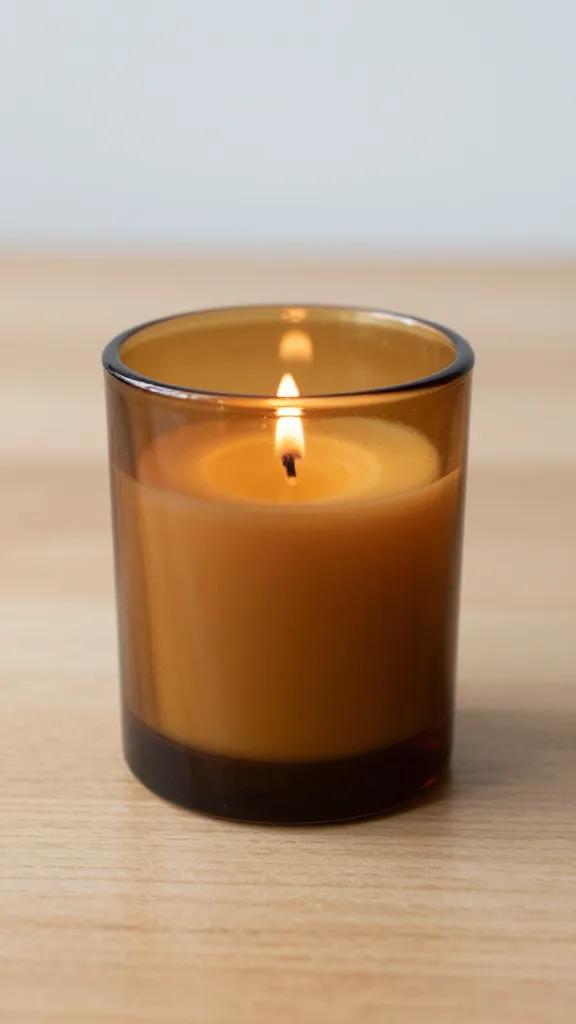
One large centerpiece blocks sightlines. A row of small votives in clear or amber glass gives you the same warm glow without the barrier.
Why it works:
- Guests can see and talk across the table without leaning sideways.
- You control the light level by how many you light.
- Votives cost less and store easier than statement candelabras.
Space them about eighteen inches apart. Tuck a few fall leaves or acorns between them so the table does not look too sparse.
6. Tie Napkins with Twine and a Single Wheat Stem
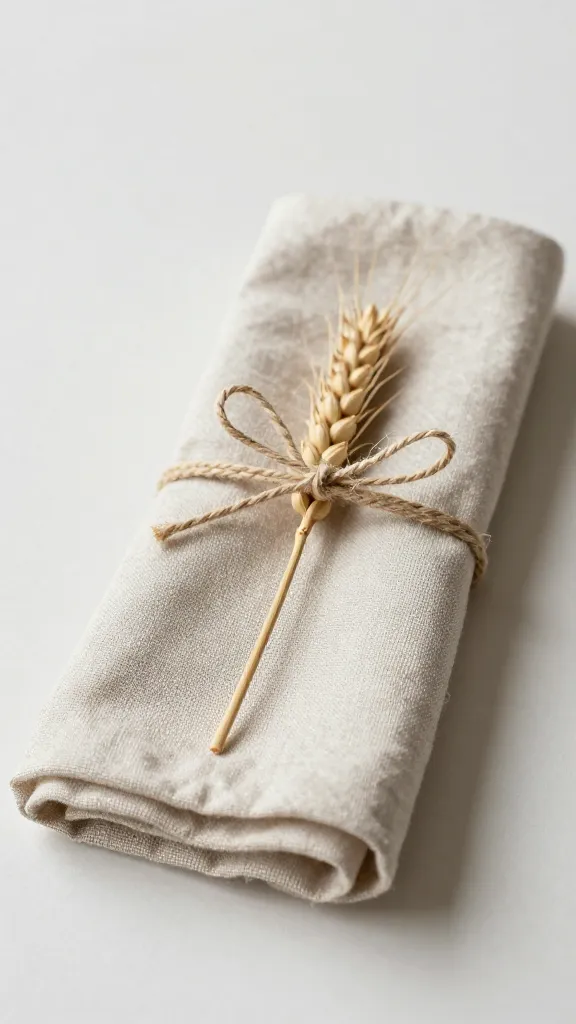
Napkin rings can look fussy. A loose loop of twine with one dried wheat stem or a sprig of sage tucked under the knot feels more relaxed but still detailed.
The natural fiber adds texture, and the wheat nods to harvest without hitting anyone over the head with pumpkin spice everything. You can prep these the night before and stack the rolled napkins in a basket until you set the table.
Seasonal swap: Switch the wheat for a small pinecone branch in December and you are set for winter dinners.
7. Set Out a Cheese Board as Part of the Table Decor
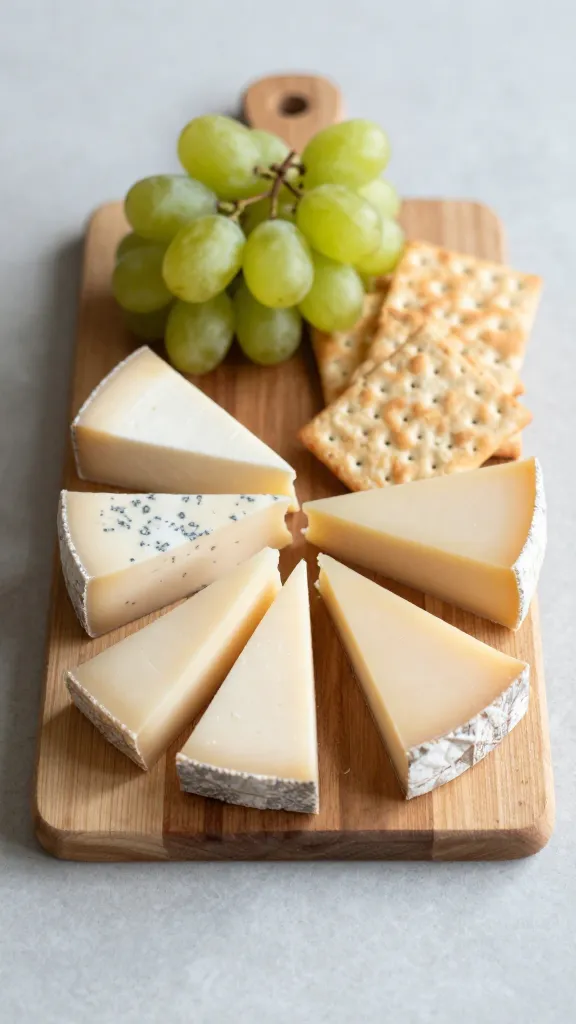
The build: Arrange a wooden or slate cheese board near one end of the table with cheese, fruit, nuts, and crackers before guests arrive.
This solves two problems. It gives people something to nibble while you finish cooking, and it fills empty table space with something that looks abundant and welcoming. The board also adds another height level if you prop it on a small riser or stack of books wrapped in linen.
Once guests start eating the food, the empty board still looks good as part of the setup.
8. Use Brass or Copper Candlesticks in Odd Numbers
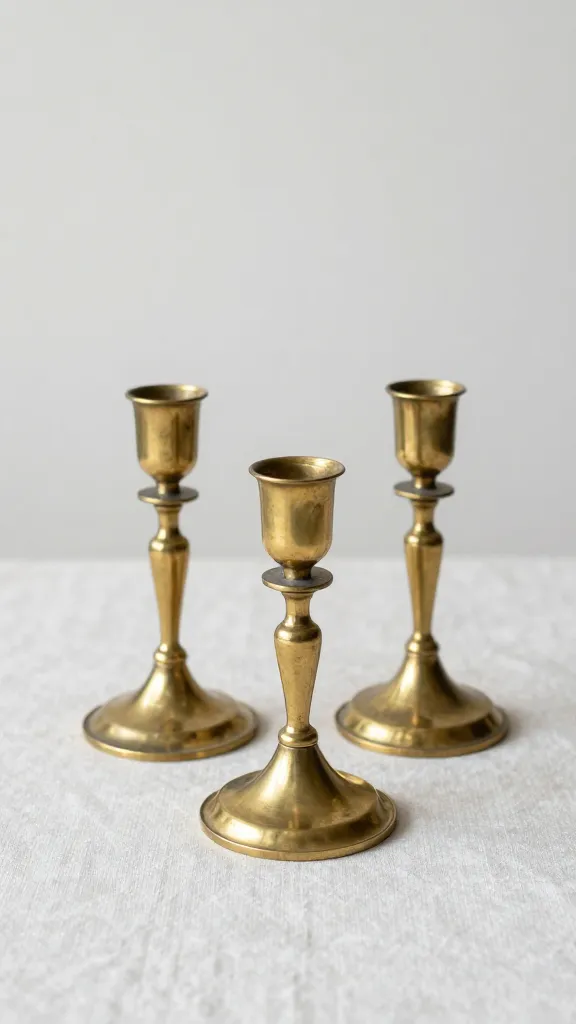
Matching silver candlesticks read formal. Brass or copper in varying heights feels warmer and less stuffy, especially when you group three or five together instead of a symmetrical pair.
Hunt for these at thrift stores. They do not need to match as long as the metal tone is consistent. The patina and slight differences in shape actually make the grouping more interesting. Drop in taper candles in cream or deep burgundy and you have an instant focal point.
Finish note: Leave the tarnish. Polished brass can look too new and shiny for a rustic Thanksgiving table.
9. Fold a Simple Pocket into Each Napkin for a Menu Card
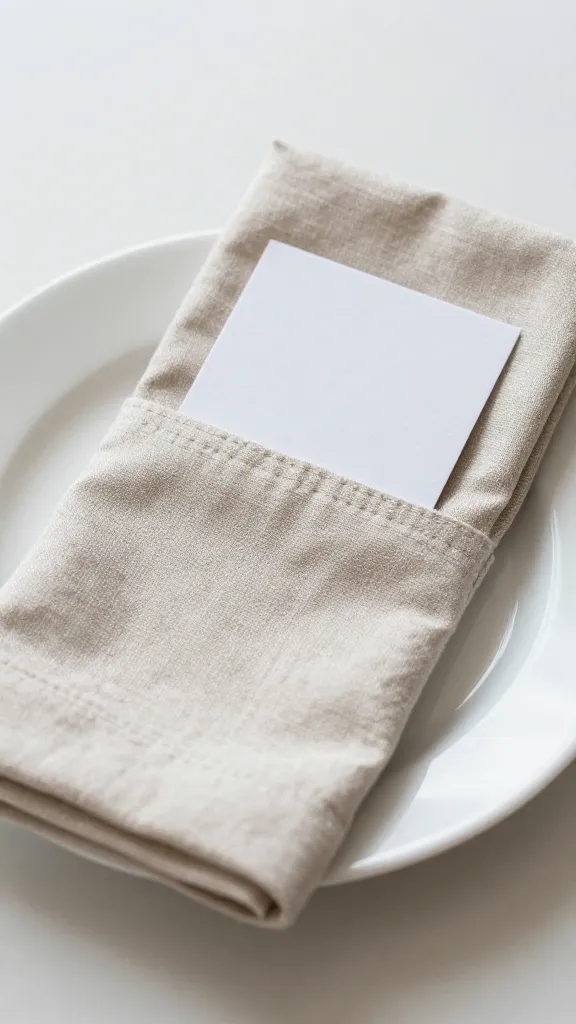
Best for: Adding a personal touch without complicated crafts or calligraphy skills.
Fold your napkin into a basic rectangle, tuck the bottom third up to create a pocket, and slide in a small card with each guest’s name or a short thankful note. You can handwrite these or print them on cardstock cut into quarters.
The card gives each seat a finished look and gives guests something small to take home. It also helps with seating if you are mixing family members who do not all know each other.
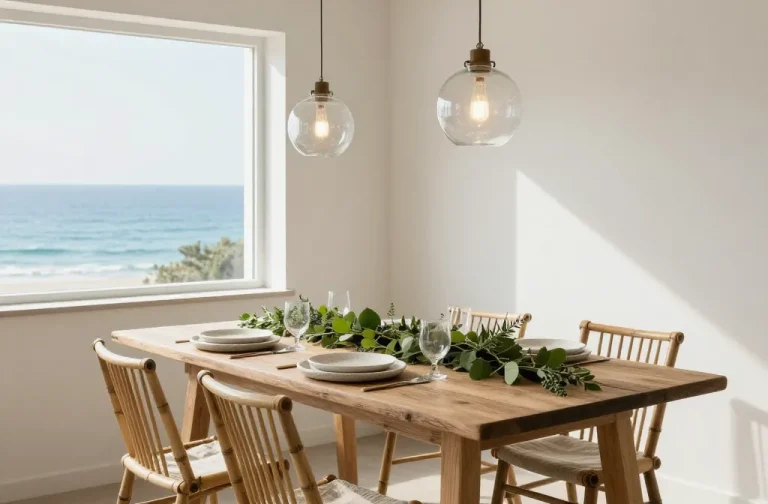
10. Drape Garland Along the Table Edge Instead of the Center
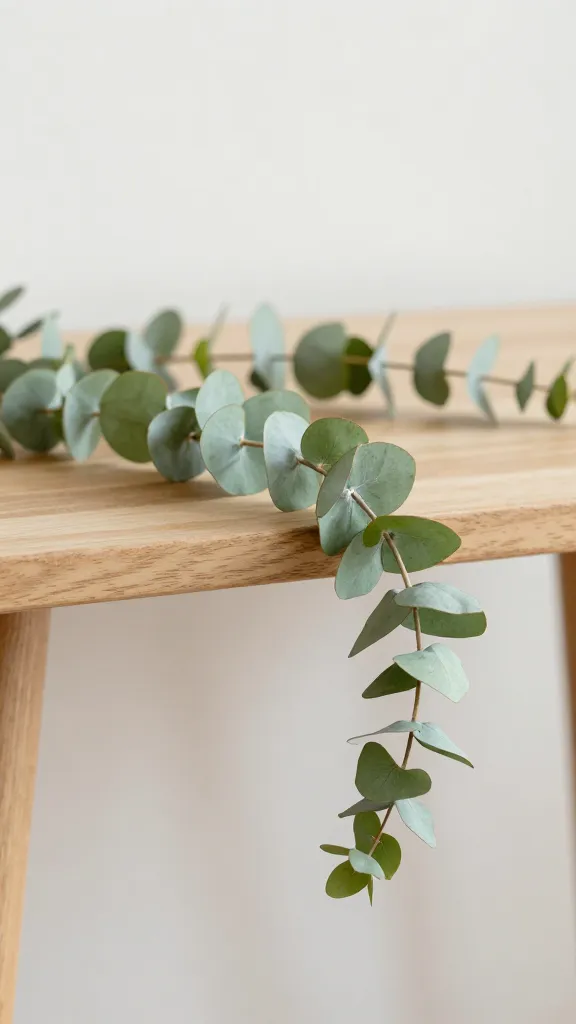
Centerpiece garland crowds serving dishes. Running it along the table edge or letting it drape down one side keeps the middle clear for food while still bringing in greenery.
Why it works:
- You get the lush, gathered look without losing surface area.
- It softens the hard line of the table edge.
- Draping it asymmetrically feels more modern than a straight runner.
Use eucalyptus, bay leaves, or even grocery store mixed greenery. Tuck in a few small pumpkins or berries to tie it into fall.
11. Set Drinking Glasses on Small Cork or Wood Coasters
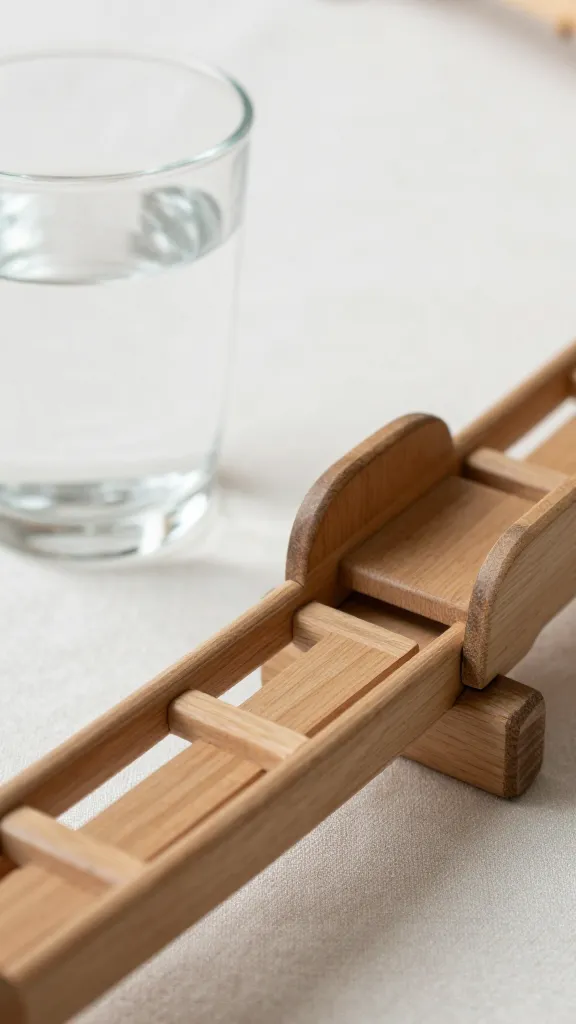
Coasters sound basic, but they add a grounding detail that most people skip. A small cork or wood round under each water glass breaks up the white plate and keeps the glass from feeling like an afterthought.
This is especially useful if you are mixing glassware styles. The coaster unifies them and protects your tablecloth from condensation rings. Look for coasters in natural materials that echo your centerpiece, like wood slices or woven jute.
Hosting tip: Set these out even if you are not worried about water marks. The detail makes the whole table feel more considered.
12. Use a Galvanized Tray as a Centerpiece Base
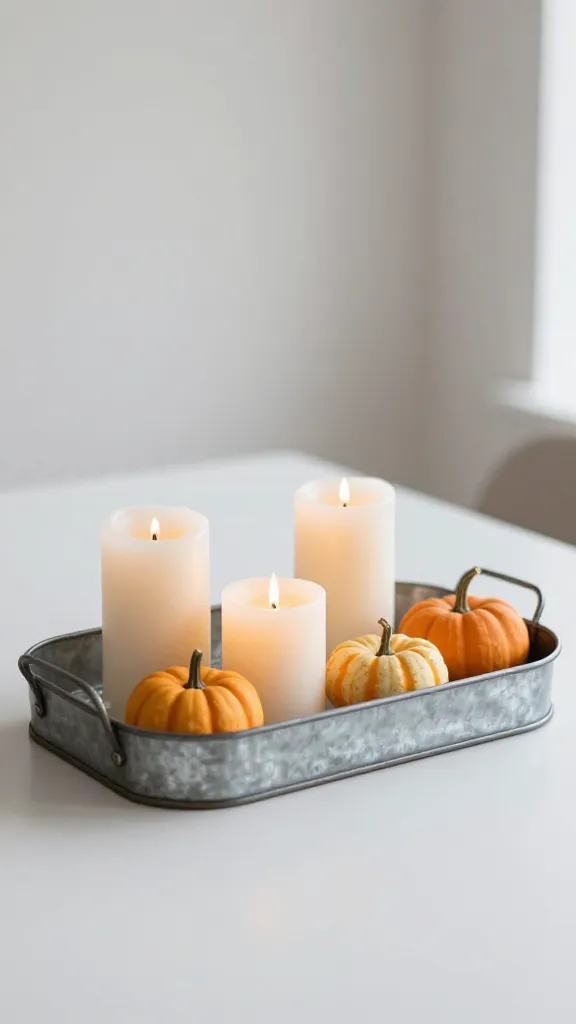
Copy the look:
- Base: a long galvanized metal tray or shallow basket
- Main piece: pillar candles in varying heights
- Color: stick to whites, creams, and natural browns
- Finishing touch: fill gaps with acorns, small pumpkins, or dried hydrangeas
The tray corrals everything so the arrangement does not spread and take over. It also makes cleanup easier because you can lift the whole thing off the table in one move when it is time to serve dessert.
Material note: Galvanized metal feels casual and farmhouse without being too themed.
13. Lean a Handwritten Menu Against a Bottle or Candlestick
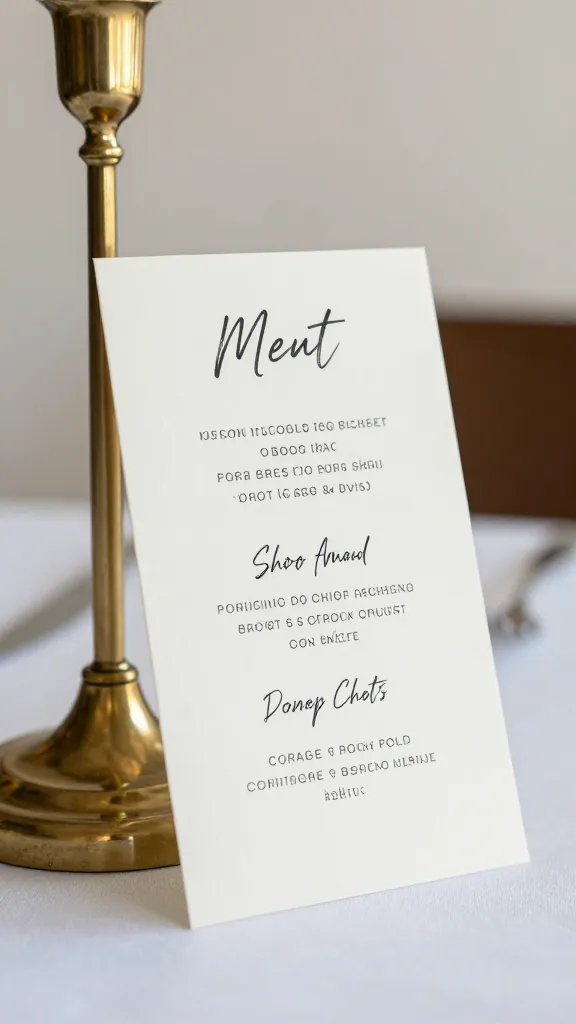
A small chalkboard or piece of cardstock with the menu written out adds a restaurant feel. Lean it against a bottle of olive oil, a candlestick, or a small stack of books near the center of the table.
Your handwriting does not need to be fancy. Print letters in chalk marker or a fine tip pen work just fine.
The menu itself is useful because it builds anticipation and helps guests pace themselves, but the real win is the vertical element it adds to your table setup.
One small change: Write one thing you are grateful for at the bottom of the menu. It invites conversation without forcing it.
14. Mix in Vintage Plates as Chargers or Salad Plates
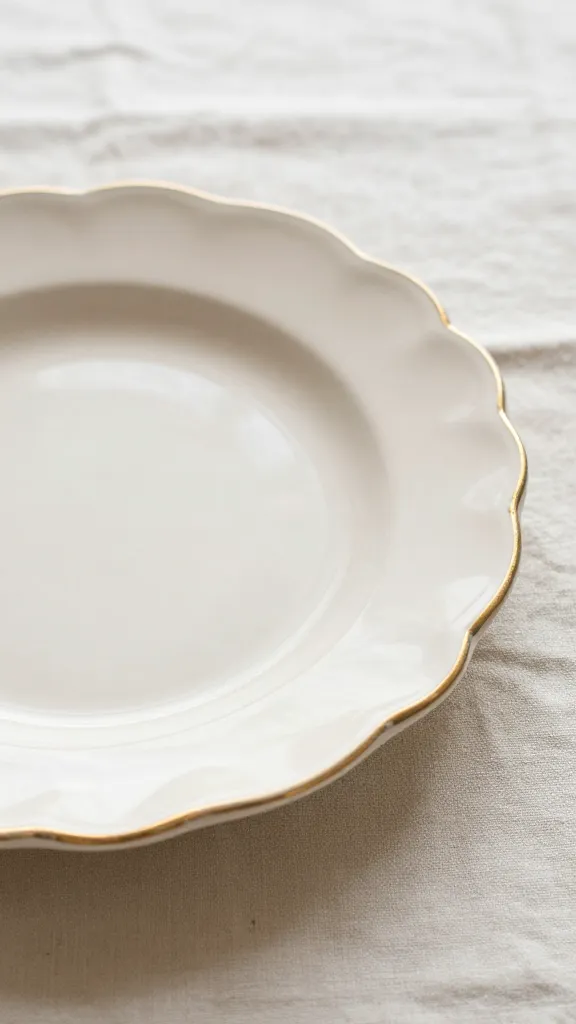
Mismatched vintage plates add personality without looking accidental when you use them intentionally as a layer.
Pick plates in the same color family, like all cream with gold trim or all muted florals, and use them as the bottom charger or top salad plate.
Why it works:
- Vintage plates have details that new dishes often lack, like scalloped edges or hand painted borders.
- Mixing them in keeps the table from looking like a catalog page.
- You can find them cheap at estate sales and thrift stores.
Guests always ask about them, which is a nice conversation starter while everyone settles in.
15. Place a Single Stem or Leaf on Each Napkin
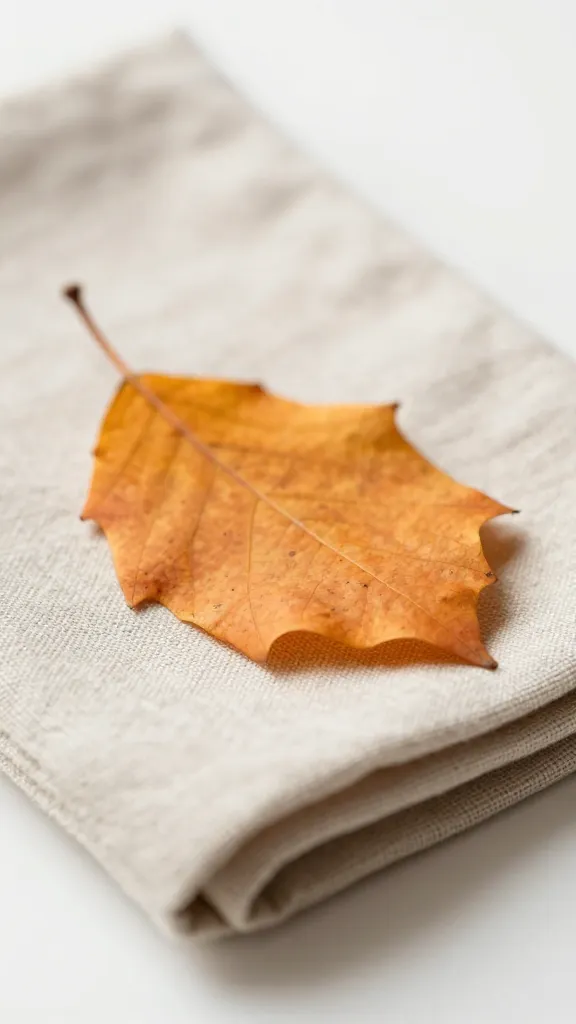
Best for: Adding a natural detail without spending money on full bouquets or complicated arrangements.
Snip one stem of greenery, a single fall leaf, or a sprig of berries and lay it across each folded napkin. It takes thirty seconds per seat and gives every place setting a finished, personal look.
This works especially well if your centerpiece is minimal or if you are keeping the table simple overall. The individual stems tie each seat into the theme without adding bulk or height.
16. Swap White Candles for Deep Burgundy or Forest Green Tapers
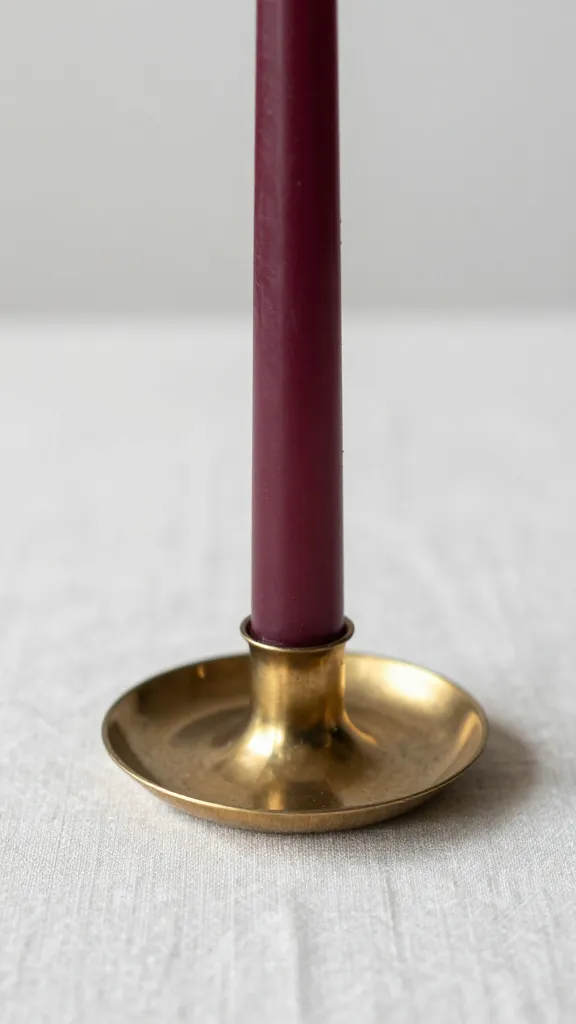
White candles disappear into a neutral table. Colored tapers in deep, saturated tones pull the eye and add richness without clashing.
Burgundy, forest green, or even charcoal gray candles feel more intentional and seasonal.
They also photograph better because they create contrast against white dishes and light linens. Stick to unscented so the smell does not compete with the food.
Color note: Match the candle color to one accent in your napkins, runner, or centerpiece so it feels cohesive.
17. Tuck Small Bud Vases Between Place Settings
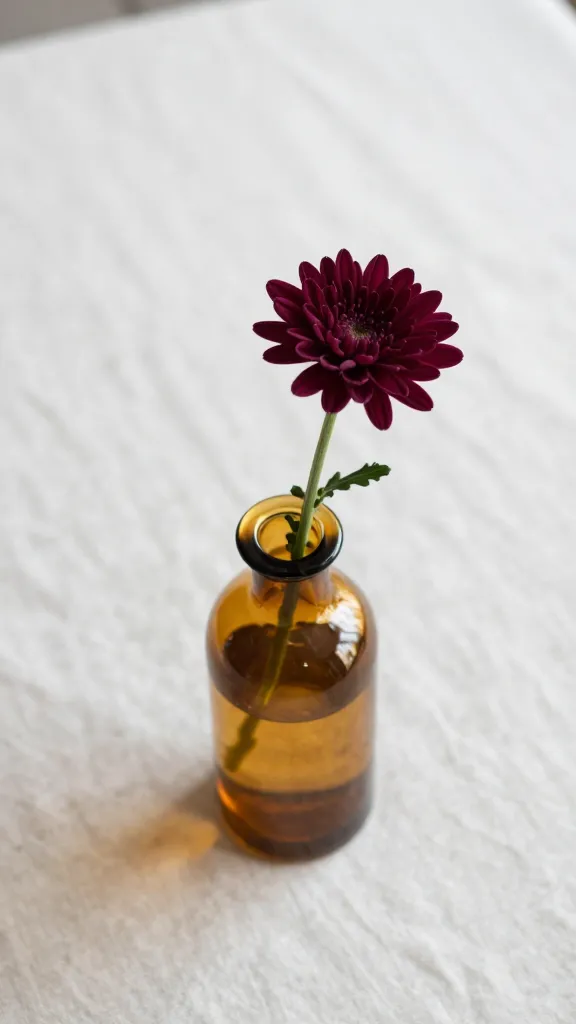
Big centerpieces block conversation. Small bud vases with single stems scattered between every two or three seats give you flowers without the wall.
Use simple glass bottles, vintage medicine bottles, or even small jars. Fill each with one stem of something seasonal like mums, dahlias, or even a branch with fall leaves.
The repetition creates a rhythm down the table, and each vase is light enough to move if someone needs more elbow room.
Budget swap: Skip flowers and use single stems of grocery store herbs like sage or thyme. They smell good and cost almost nothing.
Final Thoughts
Your Thanksgiving table does not need a design degree or a big budget. It needs a few intentional layers, some height variation, and a couple of warm details that make guests feel like you were thinking about them when you set it.
Most of these ideas use things you already own or can grab in one quick trip.
Pick two or three that solve your biggest table trouble spot and start there. Save this for next time your dining table needs a reset before company arrives.