7 Textured Wood Kitchen Cabinets Ideas to Transform Your Space

If you’re thinking about updating your kitchen, textured wood cabinets can bring a fresh, warm feel without being too bold.
I’ve always liked how they add a little something extra with natural patterns and grain, making the space feel cozy and inviting.

Textured wood kitchen cabinets offer a simple way to add depth and character to your kitchen without overwhelming the design.
Whether your style is modern, rustic, or somewhere in between, these cabinets fit in nicely and help create a space you actually want to spend time in.
1) Shaker-style oak cabinets with subtle fluting detail

I like how shaker-style oak cabinets have a simple, clean look.
They bring a classic feel that works well in so many kitchens.
Adding subtle fluting detail gives the cabinets extra texture without being too bold.
This small touch adds depth and interest.
It feels fresh but still keeps the timeless style I love.
Oak wood’s natural grain pairs nicely with this look, making my kitchen feel warm and inviting.
2) Textured walnut cabinets with inlaid geometric patterns

I really like how textured walnut cabinets with inlaid geometric patterns add a special touch to the kitchen.
The natural grain of walnut wood brings warmth, while the geometric shapes add a modern twist.
These patterns create visual interest without being too busy.
For me, this style feels both classic and fresh.
It’s perfect if you want your kitchen to stand out but still feel inviting.
3) Hand-scraped hickory cabinets for rustic charm

I love how hand-scraped hickory cabinets bring a cozy, rustic feel to any kitchen.
The texture from the scraping adds depth and character.
These cabinets often have a warm tone that feels welcoming.
They work well with simple designs and natural materials.
They create a balance between old-fashioned charm and everyday durability.
The kitchen feels lived-in but still stylish.
4) Beadboard panels on maple cabinets

I love how beadboard panels add texture to maple cabinets.
The vertical grooves bring a simple, charming look that feels warm and inviting.
Maple wood is strong and has a smooth grain, making it great for showing off the beadboard design.
It adds just enough detail without being too busy.
Painting or staining these cabinets keeps the style fresh.
You can mix colors or keep it natural for a cozy kitchen vibe that fits many styles.
5) Reclaimed wood cabinets with natural knots and grain
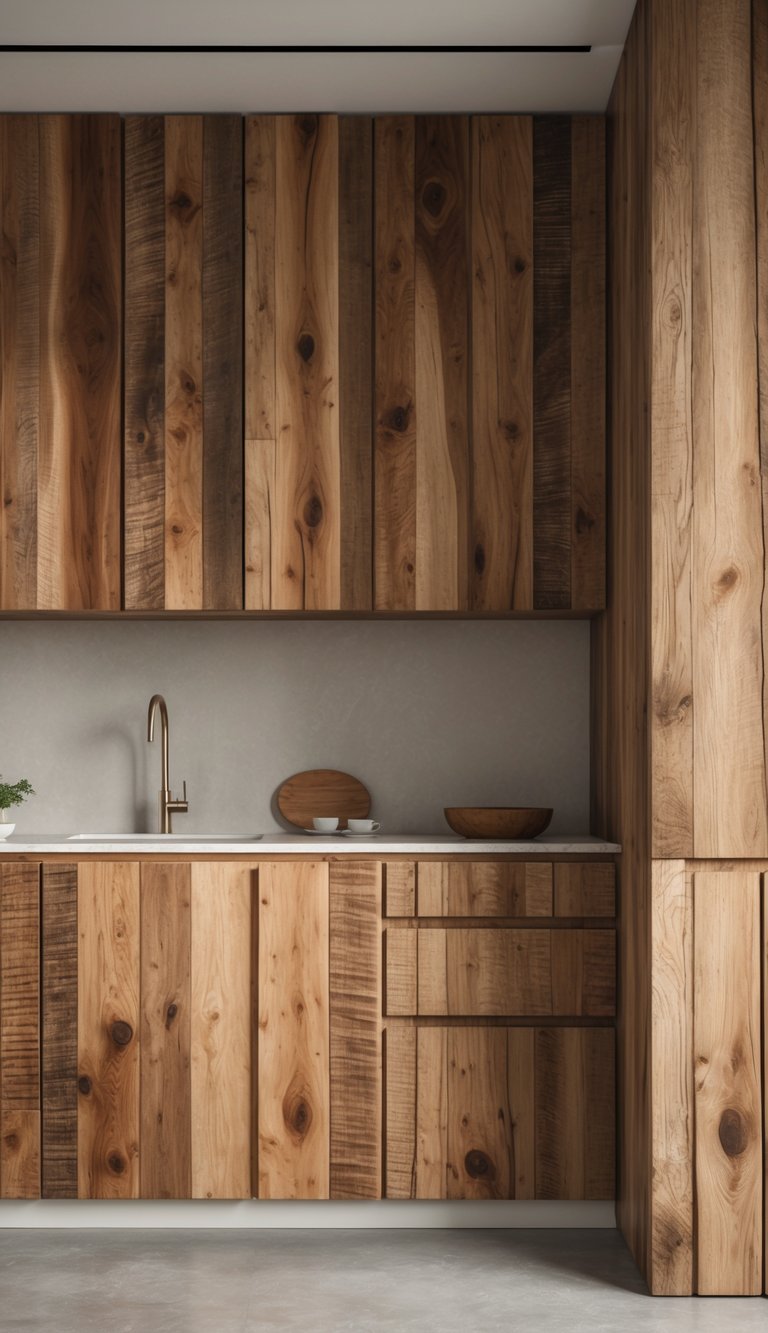
I love how reclaimed wood cabinets show off natural knots and grain.
They bring a unique texture that makes the kitchen feel warm and lived-in.
Each cabinet tells a story through its marks and patterns.
The rough edges and visible grain add character you just don’t get with new wood.
It’s like having a piece of history right in my kitchen.
Plus, I enjoy the eco-friendly side of using reclaimed wood.
6) White oak cabinets featuring subtle ridged finishes

I really like white oak cabinets with subtle ridged finishes.
The ridges add a gentle texture that feels warm but not too bold.
It gives the wood a little extra character without overpowering the space.
The soft grooves catch light in a nice way, making the cabinets look inviting.
This finish works well with both modern and cozy kitchen styles.
It adds depth while keeping things simple and natural.
7) Cedar cabinets with distressed textures for warmth

I love how cedar cabinets bring natural warmth to a kitchen.
The distressed texture adds character, making the space feel cozy without being too polished.
The worn look on cedar wood gives a lived-in charm.
It’s perfect if you want a kitchen that feels inviting and full of personality.
Cedar’s natural grain shines through, adding depth and beauty.
It’s a great way to mix rustic style with practical storage.
Choosing the Right Wood Textures

Picking the right wood texture means thinking about how the grain looks and how it fits with your kitchen’s style.
Texture affects both the feel of the cabinets and how they change the room’s mood.
I’m going to break down what you need to know about wood grains and how to match textures to your kitchen.
Understanding Different Wood Grains
Wood grains are the natural patterns you see on the surface of the wood.
They come in many types, like straight, wavy, or knotty.
For example, oak has a strong, visible grain that adds character and feels more traditional.
Maple has a smoother, finer grain, making it look cleaner and more modern.
The grain texture also impacts maintenance.
Rougher grains can trap dust and need more care, while smooth grains are easier to wipe down.
When I choose wood, I think about whether I want the texture to stand out or blend in quietly.
Grain patterns can also change with different finishes, so test samples first.
Matching Textures to Kitchen Styles
Texture plays a big role in how your kitchen feels.
If you want a cozy, farmhouse look, I’d suggest darker woods with rich, rough grains like walnut or reclaimed wood.
These add warmth and depth.
For modern kitchens, lighter woods with smooth grains like birch or maple work better.
Their subtle textures keep the space feeling clean and open.
Here’s a quick guide I use:
| Kitchen Style | Wood Texture | Grain Type | Finish Suggestion |
|---|---|---|---|
| Farmhouse/Rustic | Textured, rough | Knotty, pronounced | Matte or satin |
| Modern/Minimalist | Smooth, subtle | Fine, straight | Glossy or semi-gloss |
| Traditional | Medium texture | Swirly or straight | Semi-gloss or matte |
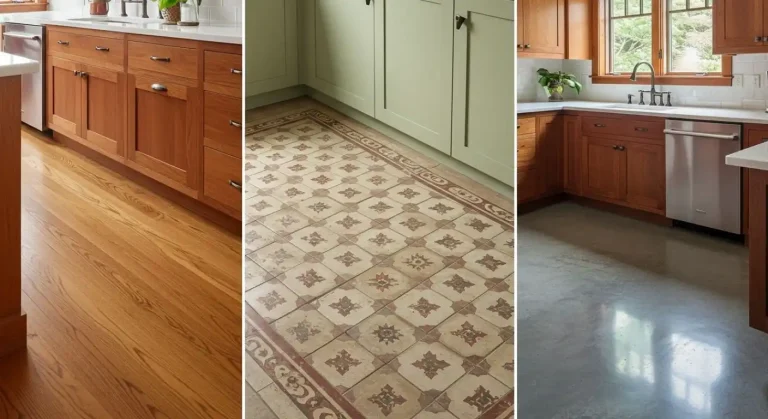
Choosing the right texture helps mix your cabinets with countertops and floors.
I always think about the whole room to create balance between different materials.
Maintaining Textured Wood Kitchen Cabinets
Taking care of textured wood cabinets means focusing on cleaning without damaging the surface and protecting the wood over time.
Staying consistent with the right steps helps keep the wood looking its best.
Cleaning Tips for Textured Surfaces
When cleaning textured wood, I avoid harsh scrubbing because dirt can get stuck in grooves.
I use a soft cloth or a microfiber duster to remove dust gently.
For sticky spots, a damp cloth with mild soap works well without harming the finish.
I never soak the wood or use abrasive cleaners since too much water can warp the wood and rough cleaners can wear down the texture.
After wiping, I always dry the surface quickly to keep moisture away.
Regular dusting is the easiest way to prevent buildup in the textured areas.
Long-Term Care and Protection
To protect my textured cabinets, I grab a wood conditioner or polish every few months. These products keep the wood hydrated and help prevent it from drying out or cracking.
I always go for ones made for natural wood finishes so I don’t get weird buildup. It’s a small detail, but it really does matter over time.
I keep an eye out for direct sunlight and heat, since both can fade the wood or make it swell. Blinds or curtains help a lot with that, honestly.
And, yeah, I try to stay careful with sharp stuff around my cabinets. Scratches on textured surfaces seem to show up way too easily.