How to Mix Wood and Metal Accents in Modern Kitchens


The modern kitchen has evolved far beyond being just a functional space for cooking. It’s now the heart of the home, where design meets practicality, and where mixing materials creates visual interest and timeless appeal.
One of the most compelling design trends transforming kitchens today is the artful combination of wood and metal accents.
This pairing brings together the warmth of natural materials with the sleek sophistication of metallic finishes, resulting in spaces that feel both inviting and contemporary.
Learning how to mix wood and metal accents in modern kitchens doesn’t have to be intimidating.
With the right approach and understanding of design principles, you can create a balanced, harmonious space that showcases your personal style while maintaining functionality.
Why Wood and Metal Work Together
The beauty of combining wood and metal lies in their contrasting yet complementary natures. Wood brings organic warmth, texture, and a sense of comfort to any space.
It softens the overall aesthetic and creates a welcoming atmosphere. Metal, on the other hand, introduces structure, shine, and a modern edge.
Together, these materials create a dynamic tension that keeps the eye engaged while preventing the space from feeling too cold or too rustic.
According to design experts, mixing metals falls under several popular design aesthetics, including transitional, modern luxury, eclectic, modern farmhouse, and industrial chic styles (source: The Kitchn).
This versatility makes the wood-metal combination suitable for various kitchen styles and personal preferences.
Starting with a Dominant Material

When you mix wood and metal accents in modern kitchens, it’s essential to establish a dominant material first. This creates a foundation for your design and prevents the space from feeling chaotic or disjointed.
Typically, you’ll want to choose either wood or metal as your primary material, then layer in the secondary material as accents.
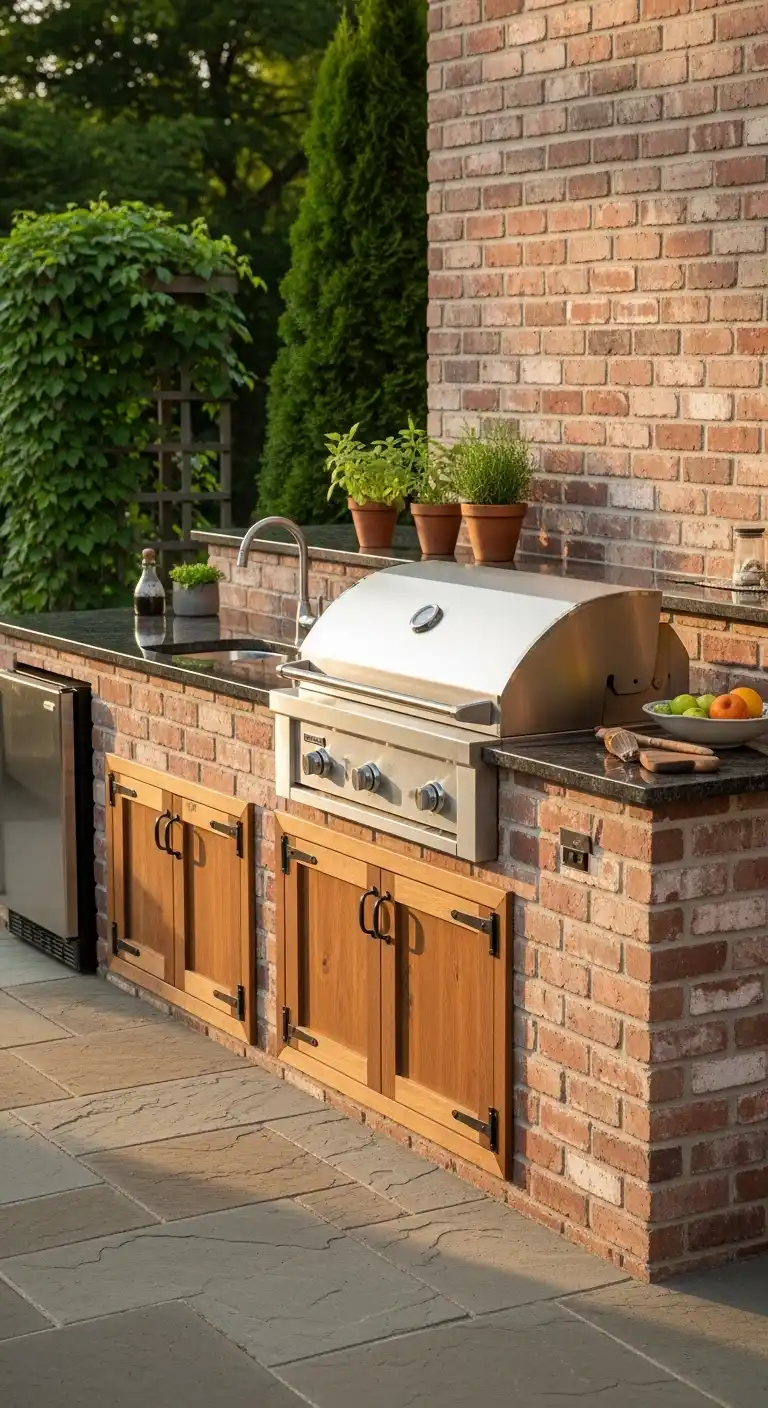
For instance, if you have wooden cabinetry, metal can serve as the accent through hardware, lighting fixtures, and appliances.
Conversely, if you’re working with painted or laminate cabinets, wooden elements can be introduced through open shelving, countertop sections, or a kitchen island.
The key is maintaining a clear hierarchy. A good rule of thumb is the 60-30-10 rule: 60% dominant material, 30% secondary material, and 10% accent pieces.
This proportion creates visual balance while allowing both materials to shine.
Choosing the Right Metal Finishes
Not all metals work equally well with every type of wood. The undertones in your wood selection should guide your metal choices.
Warm-toned woods like oak, walnut, and cherry pair beautifully with brass, copper, and bronze finishes. These metals have golden or reddish undertones that complement the warmth in the wood.
Cooler-toned woods, such as maple or ash, work well with stainless steel, chrome, and brushed nickel.
These silvery finishes echo the cooler notes in the wood grain. For woods with neutral tones, like birch or beech, you have more flexibility and can incorporate a mix of both warm and cool metals.
Modern kitchens often feature multiple metal finishes, and mixing metals has become a sophisticated trend in kitchen design (source: jane at home).
You can combine chrome faucets with brass cabinet hardware and matte black light fixtures, as long as you maintain intentionality and repeat each finish at least twice throughout the space for cohesion.
Incorporating Wood Elements Strategically
There are numerous ways to introduce wood into a modern kitchen with metal accents. Open shelving made from reclaimed wood or butcher block creates both functional storage and visual warmth.
A wooden range hood can serve as a stunning focal point that draws the eye upward and adds architectural interest.
Kitchen islands offer another excellent opportunity for mixing materials. Consider a wooden countertop or base paired with metal stools, pendant lights, or decorative brackets.
Even smaller touches, like wooden cutting boards displayed on the counter, wooden utensil holders, or a wooden knife block, can contribute to the overall aesthetic.
Flooring is another consideration. Wide-plank hardwood floors provide a warm foundation that grounds metal-heavy kitchens, while wood-look tile offers durability with similar visual appeal.
Ceiling beams, whether structural or decorative, add rustic character that balances sleek metal fixtures.
Metal Accents That Make an Impact
Metal accents in the kitchen extend far beyond cabinet hardware, though pulls and knobs are certainly important considerations.
Lighting fixtures offer dramatic opportunities to introduce metal. Industrial-style pendant lights, metal chandeliers, or track lighting with metallic finishes can define the space while providing necessary illumination.
Appliances are inherently metallic, but you can make intentional choices about their finish.
Stainless steel remains popular for its clean, professional appearance, but black stainless, copper-toned finishes, or even colored appliances with metallic accents are gaining traction.
Metal can also appear in unexpected places: a copper or brass sink, metal backsplash tiles, wire basket organizers, metal bar carts, or even decorative wall art.
The key is distributing these elements throughout the space rather than clustering them in one area (source: Home Decor Bliss).
Creating Visual Balance
Balance is crucial when mixing wood and metal. If you have heavy wooden cabinetry covering multiple walls, lighter metal accents prevent the space from feeling too heavy or dark.
Conversely, if metal dominates through appliances and fixtures, substantial wooden elements like an island or shelving provide necessary warmth and grounding.
Pay attention to the visual weight of materials. Dark metals and woods feel heavier than lighter finishes.
Distributing heavier elements evenly throughout the space, with lighter elements filling in between, creates equilibrium that’s pleasing to the eye.
Texture also plays a role in balance. Rough-hewn wood beams pair well with hammered metal accents, while smooth, polished wood works beautifully with sleek, shiny metal.
Mixing textures within each material family adds depth and prevents monotony.
Common Mistakes to Avoid
While mixing wood and metal offers tremendous design potential, there are pitfalls to avoid.
Using too many different wood species creates visual confusion rather than interest. Stick to two, or at most three, wood varieties that share similar undertones.
Similarly, incorporating too many metal finishes can make the space feel disjointed.
While mixing metals is trendy, limit yourself to three finishes maximum, and ensure each appears multiple times throughout the space.
Another mistake is forgetting about scale and proportion. Massive wooden beams paired with delicate metal hardware look unbalanced.
Ensure your material choices are proportional to both each other and the overall size of your kitchen.
Bringing It All Together
Successfully combining wood and metal in modern kitchens requires thoughtful planning and attention to detail.
Start by identifying your dominant material, then layer in complementary accents. Consider undertones when pairing specific woods with metals, and distribute elements evenly throughout the space for visual balance.
Remember that this approach works across various design styles, from industrial to farmhouse to contemporary (source: Camden Isle). The beauty of this trend is its flexibility and timeless appeal.
Whether you’re planning a complete kitchen remodel or simply looking to refresh your existing space, the combination of wood and metal creates a kitchen that’s both functional and beautiful—a space where modern sophistication meets organic warmth.