Will a New Kitchen Increase House Value


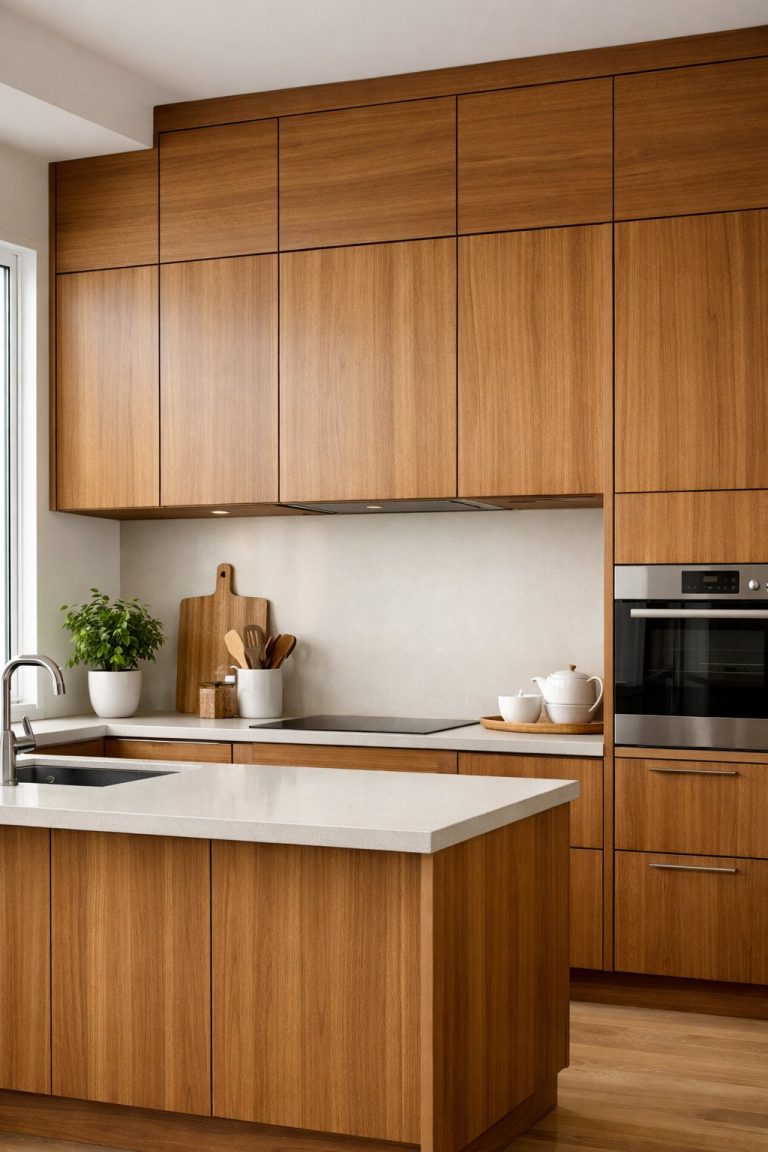
When it comes to selling your home, the kitchen often becomes the deal-maker—or the deal-breaker.
Buyers step in and immediately imagine themselves cooking, entertaining, or gathering around the island.
If your kitchen feels outdated, you might wonder: will a new kitchen increase house value, or is it just a money pit?
The truth isn’t one-size-fits-all.
Renovating a kitchen can certainly boost your home’s appeal and resale value, but the return on investment (ROI) depends on several factors: how much you spend, the condition of your current kitchen, your neighborhood, and what today’s buyers are looking for.
Let’s dive into what the data says, what experts recommend, and which upgrades actually pay off.
Why Kitchens Matter in Home Value
Real estate agents consistently report that the kitchen is one of the top rooms buyers consider when making an offer.
It’s not just about function—it’s about lifestyle. A bright, modern kitchen signals a move-in-ready home, while a dated space can make buyers hesitate, even if the rest of the house shines.
Appraisers also weigh the kitchen heavily when assessing value. Since it’s a central hub for daily living, an upgraded kitchen can justify a higher asking price.
In fact, the National Association of Realtors has noted that buyers are often willing to pay more for homes with updated kitchens, especially in competitive housing markets.
Simply put, kitchens aren’t just about cooking; they’re about emotional appeal and first impressions.
The ROI of a New Kitchen Remodel

Here’s where numbers matter. According to Remodeling Magazine’s annual Cost vs.
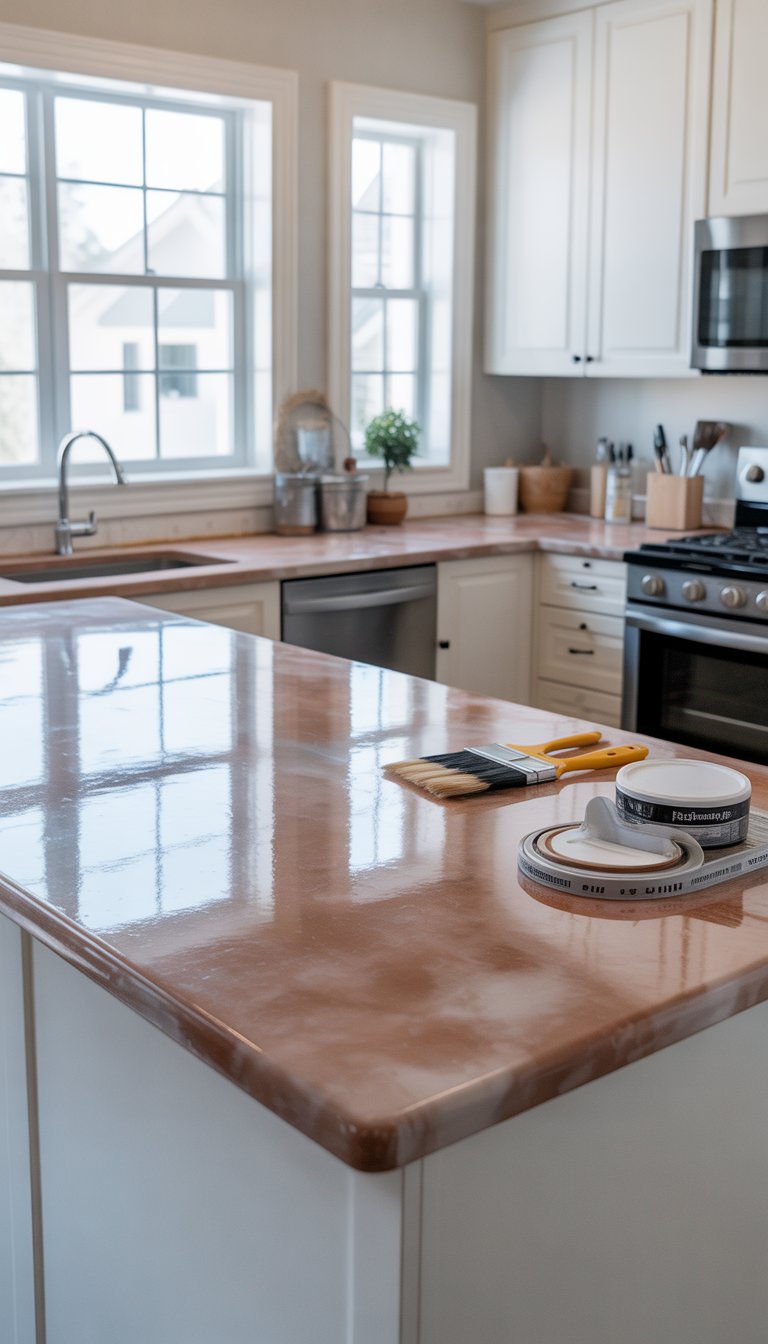
Value Report, a minor kitchen remodel—think cabinet refacing, new countertops, and updated appliances—recoups about 72–75% of its cost on average.
A major upscale remodel, however, often brings back closer to 50–60%.
That means if you spend $25,000 on a minor remodel, you might see about $18,000 added to your resale value.
On the other hand, a $75,000 luxury renovation may only add around $40,000–$45,000.
Geography also plays a role. Homes in urban markets, where buyers expect turnkey properties, tend to see higher returns on modern kitchen upgrades compared to rural areas where buyers may be more budget-conscious.
The key takeaway? You don’t always need to gut your kitchen to see a payoff.
Sometimes the smartest move is to focus on updates that buyers notice immediately, without overspending on luxury finishes.
When a New Kitchen Increases House Value

There are certain scenarios where investing in a full kitchen remodel makes sense.
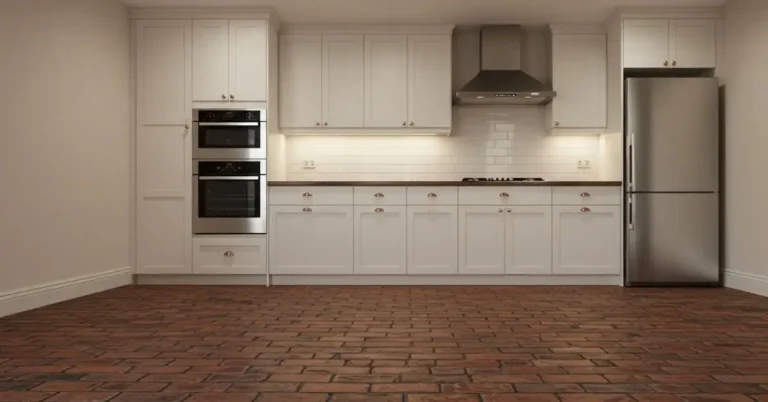
If your current space is stuck in the past—picture oak cabinets from the ’80s or laminate countertops from the ’90s—buyers may be put off, and your home could linger on the market.
In these cases, a fresh, modern kitchen can transform your home’s appeal and help it sell faster.
High-end homes are another example. In the luxury market, buyers expect stone countertops, high-quality cabinetry, and energy-efficient appliances.
Without them, your property risks being overlooked. Similarly, in competitive housing markets where inventory moves quickly, an updated kitchen can give your home the edge it needs.
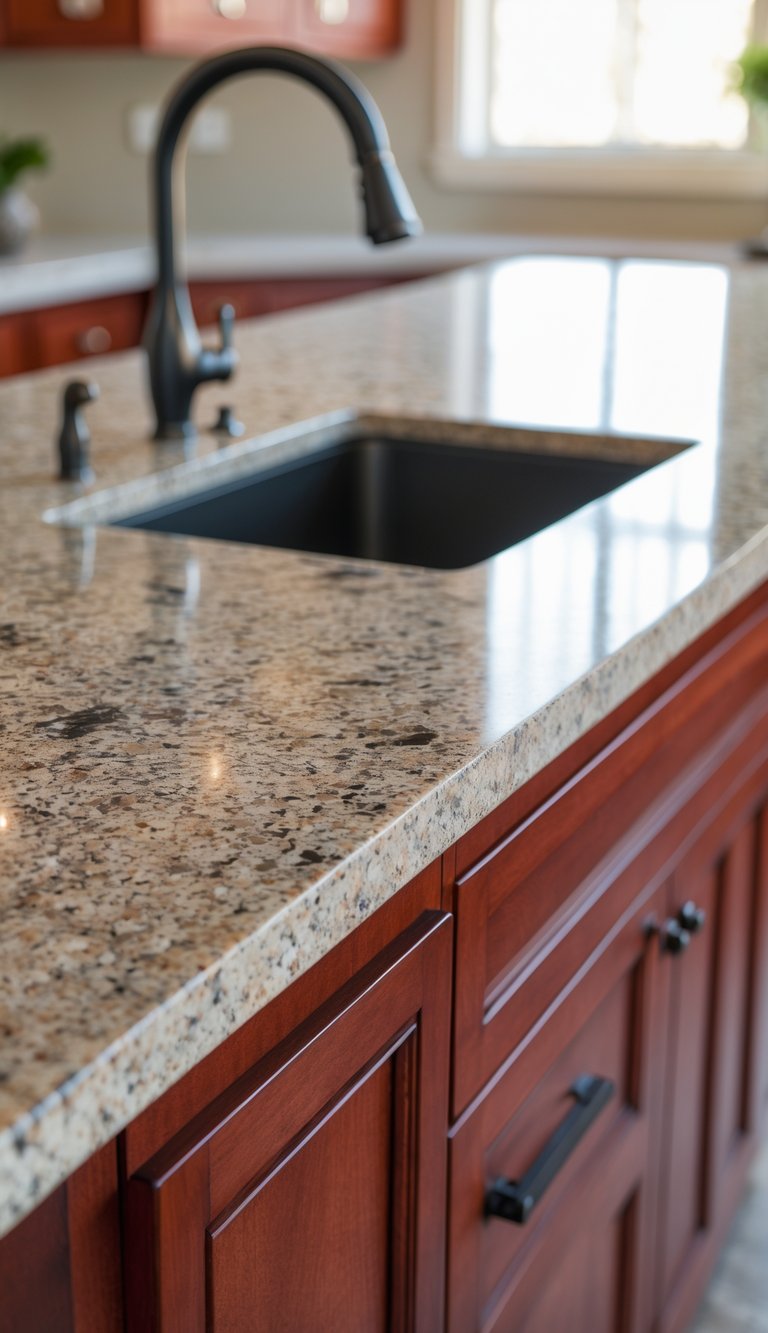
Modern kitchen upgrades such as quartz or granite counters, stainless steel appliances, and sleek lighting often catch buyers’ eyes.
While these don’t guarantee a dollar-for-dollar return, they can influence how quickly and for how much your home sells.
When a Remodel Might Not Pay Off

Not every kitchen renovation is a golden ticket. If you invest in upgrades that far exceed the value of neighboring homes, you risk over-improving.
For example, dropping $100,000 on a chef’s kitchen in a neighborhood of modest starter homes likely won’t give you the return you’re hoping for.
Another common pitfall is chasing fleeting trends. A bold, hyper-modern look might appeal to some buyers but alienate others.
Neutral, timeless finishes tend to perform better when it comes to resale. And then there’s the DIY factor.
Poorly executed projects—like uneven tile, cheap materials, or sloppy finishes—can actually reduce your home’s value instead of adding to it.
The smarter play, if you’re unsure, is to consider more modest updates. Sometimes a facelift is enough to change the entire perception of your home.
Alternatives to a Full Remodel

If your budget doesn’t allow for a total renovation, smaller updates can still pack a punch. Painting existing cabinets in a crisp white or a trendy navy can instantly modernize the space.
Swapping out dated hardware for sleek brushed nickel or matte black pulls is an inexpensive way to refresh the look.
Updating your backsplash or adding under-cabinet lighting creates a polished feel without the heavy price tag.
Even replacing a few key appliances with energy-efficient models can give buyers confidence that the kitchen is up to date.
Staging also matters—decluttering countertops, adding fresh flowers, or setting out stylish cookware can make an older kitchen feel more inviting.
These budget-friendly tweaks may not increase home resale value as dramatically as a full remodel, but they can improve buyer perception and help your home stand out.
Expert Tips for Maximizing ROI
Real estate professionals often stress one thing: talk to local experts before swinging a hammer. What adds value in one market may not matter as much in another.
For instance, in family-focused suburbs, a spacious eat-in kitchen might be the selling point, while in urban condos, sleek finishes and efficient layouts take priority.
Appraisers recommend sticking with mid-range finishes that appeal to the broadest pool of buyers. Think quartz countertops, Shaker cabinets, and neutral paint colors.
Kitchen designers suggest avoiding ultra-trendy choices that may look dated in a few years. Instead, aim for a timeless design with a few modern accents.
Finally, use online tools like cost calculators to estimate your potential ROI before committing. Knowing your numbers upfront can save you from overspending on upgrades that won’t pay off.
Conclusion
So, will a new kitchen increase house value? The answer is: yes, but not always in the way you think. Kitchens are a huge selling point, but a brand-new, high-end remodel doesn’t guarantee a dollar-for-dollar return.
A minor remodel often gives you the best bang for your buck, while smaller, strategic updates can boost appeal without draining your budget.
If you’re planning to sell, consult with a local realtor or designer before making decisions. They’ll know exactly what buyers in your area are willing to pay for.
A smartly refreshed kitchen can increase your home’s marketability, shorten the time on the market, and ultimately help you walk away with more money in your pocket.