10 Vintage Kitchen Cabinet Ideas To Brighten Your Home

Vintage kitchen cabinets add charm and style that can make any kitchen feel warm and inviting.
I love how they bring a sense of history and personality to a space without losing function.
Whether you like classic looks or something with a retro twist, there are plenty of ways to refresh your kitchen with vintage ideas.

If you want to give your kitchen a timeless look, vintage cabinets are a great place to start.
They offer unique designs and materials that help create a cozy and memorable cooking space.
In this article, I’ll share ten ideas you can use to bring vintage charm into your own kitchen.
1) Beaded-board cabinet doors for authentic texture

I love how beaded-board cabinet doors add real texture to a kitchen.
The vertical grooves make each door stand out without being too flashy.
This style feels cozy and timeless, perfect for a vintage look.
It gives the room a warm, inviting touch that simple flat doors can’t match.
Adding these doors can bring a nice mix of classic charm and subtle detail to my kitchen space.
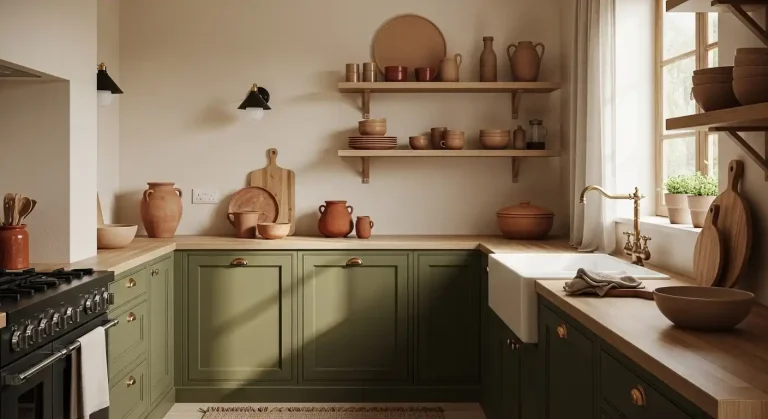
2) Cream-colored vintage cabinetry for timeless elegance

I love how cream-colored cabinets bring a warm, soft look to any kitchen.
They feel bright without being too bold.
Adding brass hardware or vintage-style knobs gives the cabinets that classic, charming touch.
It’s a simple way to keep things elegant yet cozy.
For me, cream cabinets work well with natural textures like wood or woven baskets.
It creates a timeless, inviting space that’s easy to enjoy every day.
3) Mid-century style cabinets in teal or mustard tones

I love how mid-century cabinets in teal or mustard add a fun splash of color.
These shades bring a cozy, retro feel to the kitchen without being too bright.
Teal offers a calm, cool vibe, while mustard feels warm and inviting.
Both work well with natural wood tones to keep the look balanced and stylish.
4) Classic shaker cabinets with distressed finishes

I love classic shaker cabinets because they have a simple, clean look.
When you add a distressed finish, they feel warm and full of character.
The worn edges and faded paint give the kitchen a cozy, lived-in vibe.
Mixing open shelves with these cabinets works great.
It shows off rustic pieces while keeping things functional.
You can also add vintage hardware to complete the look with a touch of charm.
5) Glass-front cabinets with vintage glassware displays

I love how glass-front cabinets show off vintage glassware.
They keep everything visible but safe from dust.
Arranging colorful or old-fashioned glasses makes the kitchen feel warm and charming.
I like mixing glass with wood shelves for a cozy look.
It’s easy to keep things neat by grouping similar pieces together.
Displaying vintage glassware like this adds personality without clutter.
6) Chrome handles and knobs for retro charm

I love using chrome handles and knobs to bring a retro look to my kitchen.
The shiny, reflective finish adds a simple yet classic touch.
Chrome hardware feels sturdy and lasts a long time.
It works well with many vintage styles, from mid-century to art deco.
Adding chrome knobs is an easy way to update old cabinets without a full remodel.
It makes the space feel fresh but still has that nostalgic charm I enjoy.
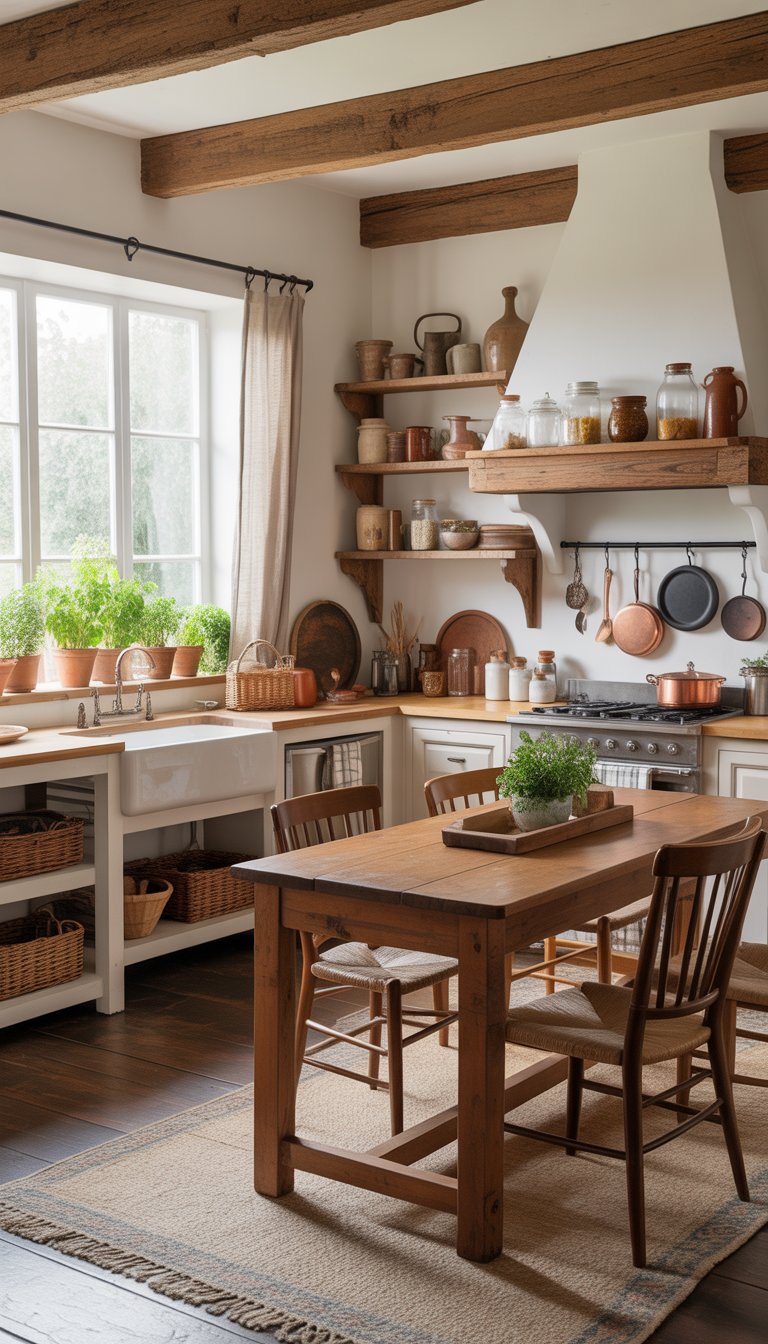
7) Weathered-wood cabinet surfaces for rustic feel

I love the way weathered wood makes a kitchen feel warm and inviting.
These surfaces show natural wear and texture, giving cabinets a charming, lived-in look.
Using weathered wood helps bring nature inside.
It creates a cozy, rustic vibe that feels both timeless and comfortable.
I think this style adds lots of character without being too fancy.
8) Formica countertops paired with vintage cabinets

I love how Formica countertops bring a bright, cheerful feel when paired with vintage cabinets.
Their smooth surface and easy-clean design make the kitchen practical.
Choosing bright colors like teal or mustard on cabinets adds a fun retro touch.
Chrome handles complete the look, giving the kitchen a true mid-century vibe.
It’s a budget-friendly way to capture vintage style without spending too much.
I find it’s perfect for a warm, welcoming kitchen space.
9) High-legged wood island with marble top

I love the look of a high-legged wood island with a marble top.
It adds a mix of warmth from the wood and elegance from the marble.
The height makes it easy to work on and creates a nice visual balance in the kitchen.
The marble top feels cool and smooth, perfect for baking or chopping.
Plus, it pairs well with cream or natural wood cabinets.
It’s a classic look that never goes out of style.
10) Monochrome checkered cabinet bases

I love how monochrome checkered bases bring a bold, classic feel to a kitchen.
The black and white contrast looks sharp and adds character without being too loud.
It’s great for mixing vintage style with a modern touch.
Plus, the checkered pattern helps keep the kitchen feeling bright and spacious.
This look keeps things simple but interesting at the same time.
Understanding Vintage Kitchen Cabinet Styles
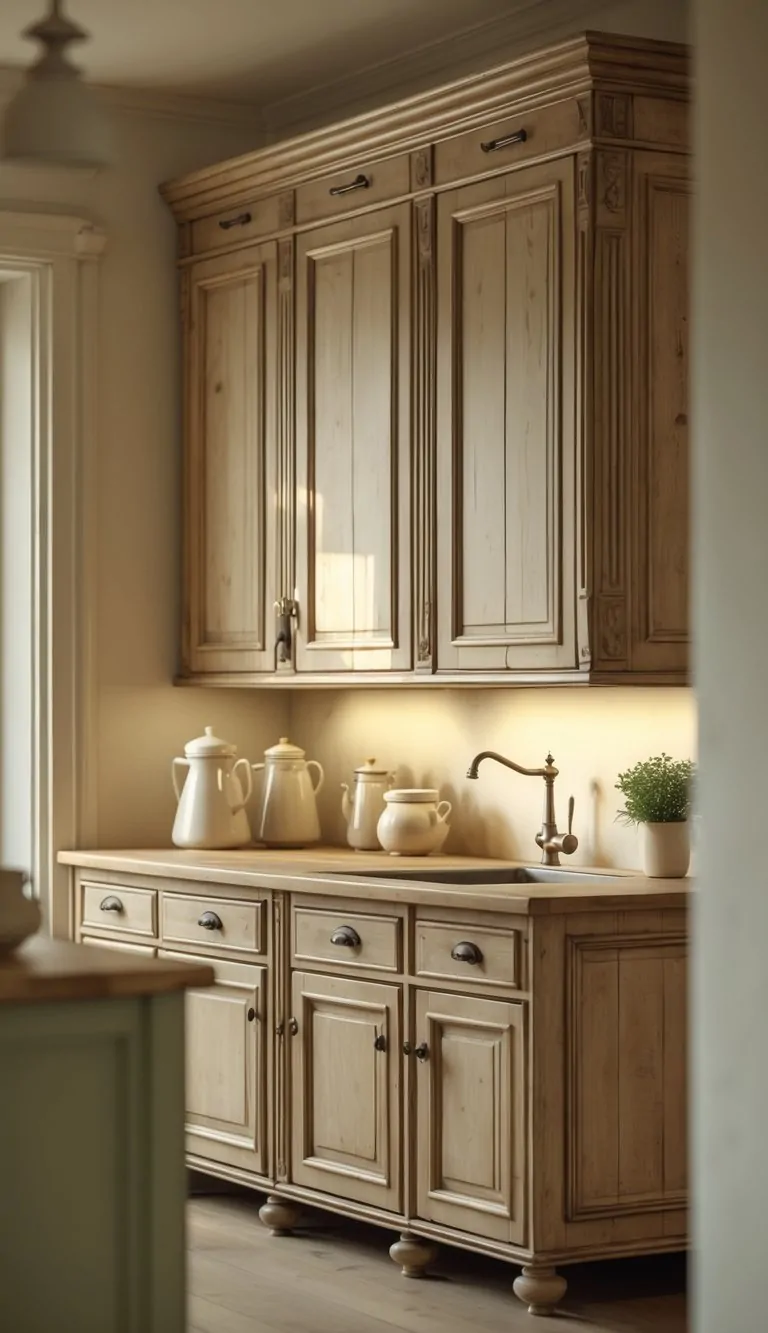
When I think about vintage kitchen cabinets, what stands out most are their unique shapes, timeless colors, and the materials that bring a warm, lived-in feeling to a kitchen.
These elements work together to create styles that feel both nostalgic and inviting.
The details matter—from the smooth curves of mid-century designs to the soft cream or bright teal colors, and even the worn wood or classic laminates.
Popular Mid-Century Designs
Mid-century kitchen cabinets have a style that’s easy to recognize.
They often feature clean lines and simple shapes without too much decoration.
One thing I notice is the use of curved edges and flat panels, which give the cabinets a sleek yet inviting look.
Another hallmark is hardware.
I like how chrome handles and knobs add a touch of shine and contrast well with the wood or laminate surfaces.
These cabinets frequently come in bold colors like teal, mustard, or avocado green, which bring fun energy to the kitchen.
The focus is always on blending function with style.
Many of these designs include built-in details like extra storage compartments or easy-to-clean surfaces, helping keep the kitchen practical without losing charm.
Classic Color Palettes
Vintage cabinets often use colors that feel both fresh and classic.
Creamy whites, soft pastel blues, and muted greens are some of the favorites I see most.
These tones bring warmth without overwhelming the room.
Bright retro colors like mustard yellow or teal pop up too.
Using them on cabinets can make a kitchen feel lively and nostalgic.
I’ve seen vintage kitchens balance these bright hues with neutral walls or floors, which helps keep the room from feeling too busy.
A good way to bring life into a vintage kitchen is by mixing soft creams and pale colors with stronger accent colors.
It creates an inviting space with plenty of character and depth.
Materials and Finishes From the Past
When it comes to materials, vintage cabinets often feature wood or laminate surfaces that have lasted through the years.
I find that wood, especially when it’s aged or weathered, adds warmth and a sense of history to any kitchen.
Laminate countertops and cabinet faces were hugely popular in mid-century kitchens.
They provide a smooth, easy-to-clean surface and come in many colors and patterns, including classic retro designs like speckled or solid bright colors.
Painted finishes are common, too, especially in pastel tones.
Sometimes you’ll find a slight shine or worn look that gives cabinets a cozy, lived-in feel.
Hardware like brass or chrome knobs and handles brings the whole style together.
Choosing these materials and finishes thoughtfully helps capture that authentic vintage kitchen spirit I love.
Tips for Preserving and Restoring Vintage Cabinets

Taking care of vintage cabinets isn’t rocket science, but it does take a little attention. Focus on cleaning, fixing original parts, and picking finishes that actually suit the age of the wood.
That’s how you keep the charm alive and protect the wood for years—maybe even decades.
Cleaning and Maintenance Best Practices
I always start with gentle cleaning. Old wood doesn’t love rough treatment or harsh stuff.
Just grab a soft cloth and use warm soapy water for regular dusting and wiping. Honestly, harsh chemicals are a no-go—they’ll strip the wood and mess with that lovely patina.
When things get grimy, I mix one part vinegar with three parts water. Always test it on a hidden spot first, just in case.
This mix lifts grease and grime without wrecking the surface. Dry it right away with a soft cloth—moisture is the enemy.
Keep cabinets dry inside and out. Felt pads on shelves or drawers help cut down on scratches.
I check for mold or pests every so often. Little habits like these really do keep cabinets looking good over time.
Repairing Original Hardware
Original hardware is half the vintage vibe, so I try to keep it whenever I can. Start by cleaning off dirt and rust with a mild cleaner or a baking soda and water paste.
Soak smaller pieces if they’re really gunky, then scrub gently with an old toothbrush. If a handle or hinge feels loose, tighten the screws or swap in vintage-style ones if anything’s missing.
Modern hardware just doesn’t look right—it kind of ruins the whole feel. For tough rust, I’ll use fine steel wool very lightly, but I’m careful not to scratch the metal.
Keeping original hardware clean and working preserves the cabinet’s history. Plus, it adds a ton of charm, don’t you think?
Choosing the Right Paint and Varnishes
I like finishes that protect my cabinets but still keep their vintage feel. For paint, I usually reach for low-VOC or milk paint since they’re gentle and often show up in traditional restorations.
Matte and satin finishes just look more authentic to me than anything super glossy. High gloss can feel out of place, honestly.
When I varnish, I want something that brings out the wood grain without making it look plastic. Oil-based varnishes protect really well, though they take their sweet time to dry.
Water-based varnishes dry faster and clean up easily, but they wear a bit differently. It’s a bit of a tradeoff, but sometimes convenience wins.
Before I paint or varnish, I always sand lightly to smooth out rough patches. I avoid stripping off all the old finish, though.
Leaving a bit of that original patina helps show the cabinet’s history and adds a cozy warmth you just can’t fake.