13 Vintage Kitchen Flooring Ideas to Refresh Your Classic Home

I love how vintage kitchen flooring brings a warm, timeless feel to any space.
Flooring really sets the mood, and looking back at old-school styles helps create a cozy, inviting kitchen.
There are so many ways to use old designs with modern touches, so you can find something for every taste and budget.
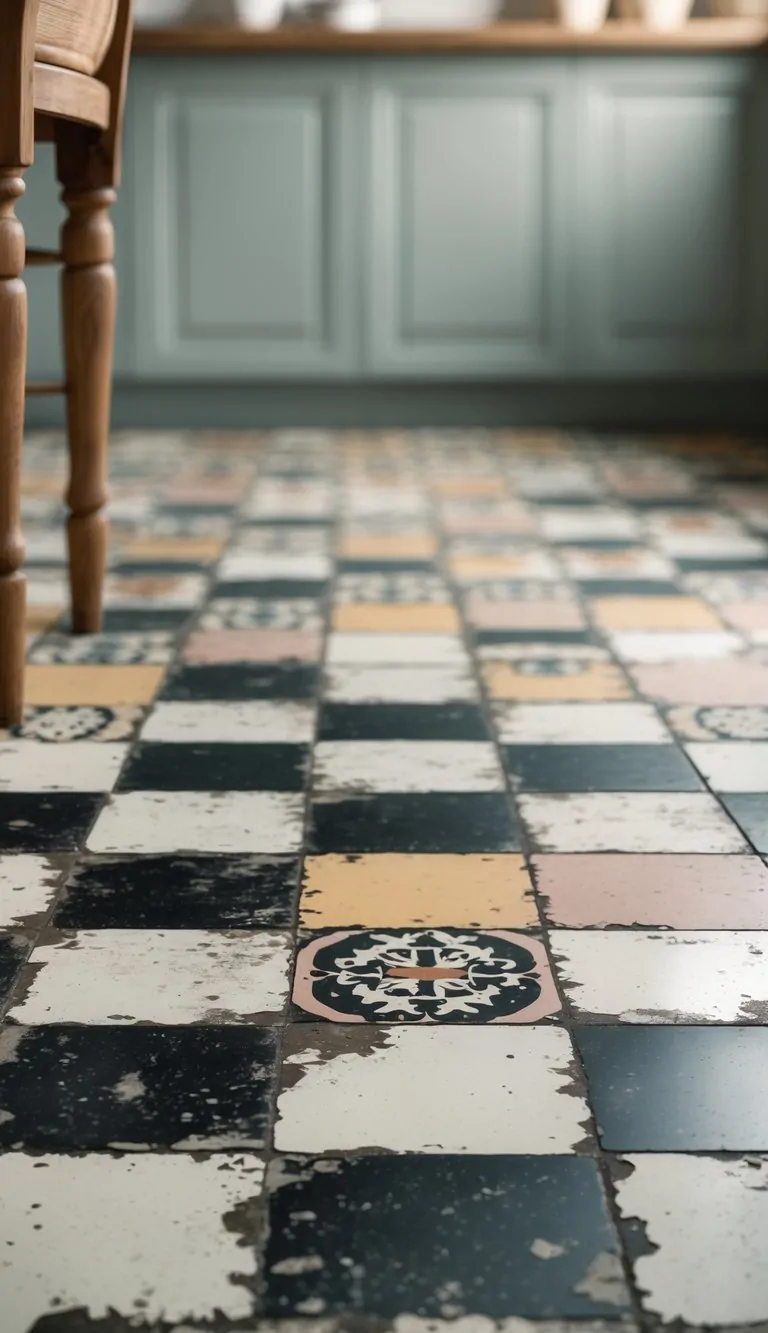
Here are 13 vintage kitchen flooring ideas to add charm and personality to your kitchen.
Christmas & Year-End Deals On Amazon !
Don’t miss out on the best discounts and top-rated products available right now!
*As an Amazon Associate, I earn from qualifying purchases.
Whether you want classic checkered tiles or something more rustic, these ideas might inspire your next update.
1) Classic Black and White Checkerboard Vinyl Tiles
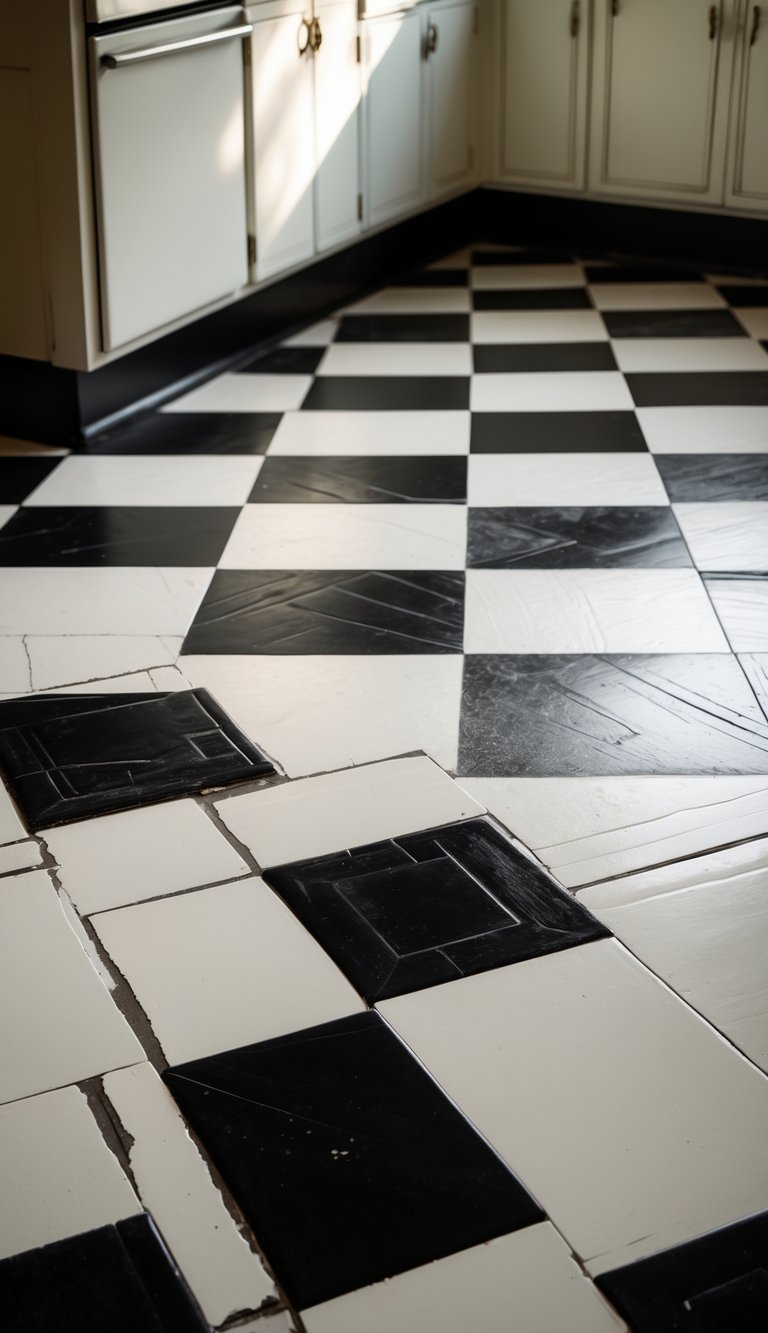
I really like black and white checkerboard vinyl tiles for a vintage kitchen.
They bring a timeless style that feels both fresh and familiar.
Vinyl is super easy to clean—perfect for busy kitchens.
The high-contrast pattern hides dirt and scuffs, which is always a bonus.
This design works with so many kitchen styles, from retro to modern.
It adds a fun touch without feeling too loud.
2) Deeply Grained Dark Hardwood Flooring

I’m a huge fan of deeply grained dark hardwood in vintage kitchens.
The rich wood grain adds so much character and warmth.
The dark tones make the space feel cozy.
It pairs nicely with lighter cabinets and vintage details.
3) Linoleum Flooring with Mid-Century Modern Patterns
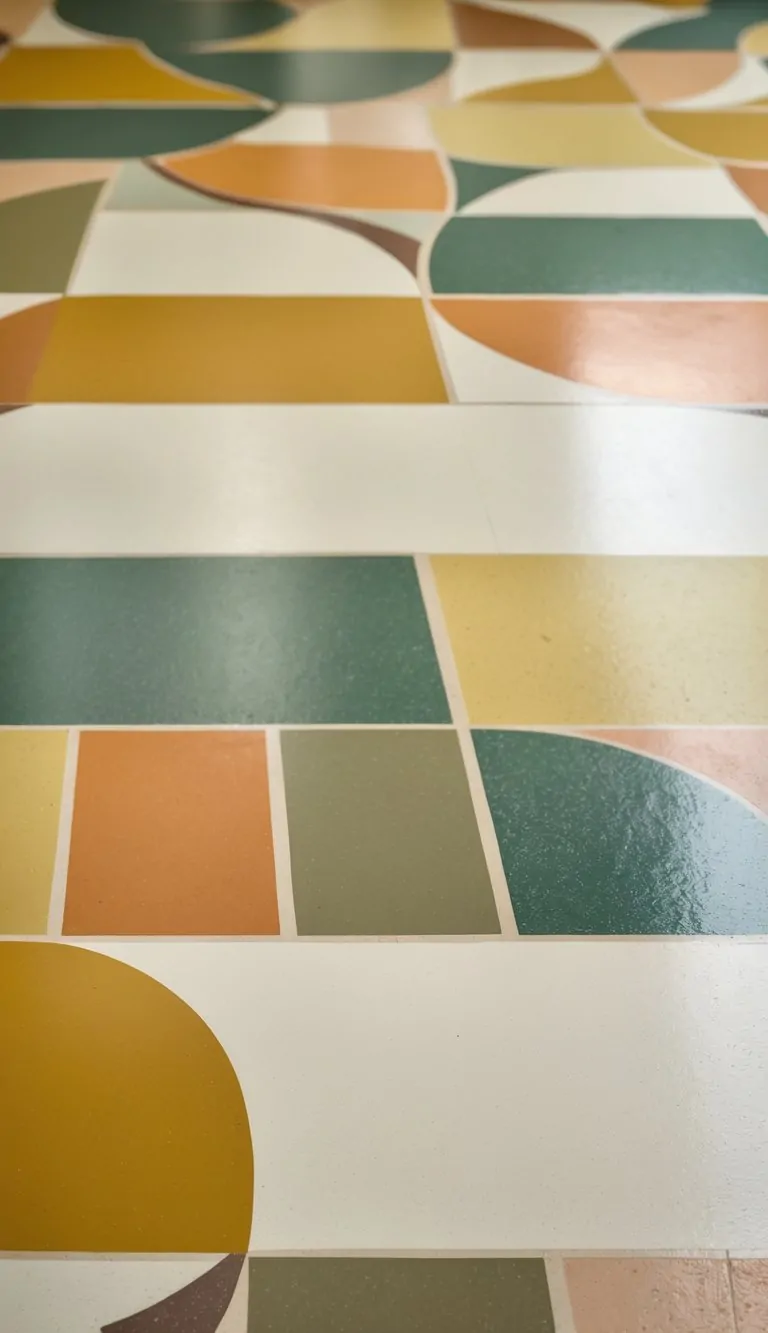
Linoleum brings a true vintage vibe to the kitchen.
Mid-century modern patterns, like checkerboards, give the floor a lively, retro energy.
It’s durable and easy to clean.
Christmas & Year-End Deals On Amazon !
Don’t miss out on the best discounts and top-rated products available right now!
*As an Amazon Associate, I earn from qualifying purchases.
Pairing linoleum with simple, modern furniture keeps things fresh but still classic.
4) Warm and Textured Cork Tiles

Cork tiles feel warm and soft underfoot, which I love.
They bring a cozy texture that fits right in with vintage kitchens.
Cork helps with sound, so my kitchen feels quieter.
It’s a natural material and lasts well, plus those subtle patterns are pretty unique.
5) Jadeite Green Linoleum

Jadeite green linoleum adds a soft, calming color to the floor.
It brings in vintage charm but isn’t too bold.
Linoleum is made from natural materials.
It’s easy to clean and lasts, so it’s practical too.
6) Sunny Yellow Retro Linoleum Floors

Sunny yellow linoleum floors add a warm, cheerful vibe to a vintage kitchen.
The bright color feels fresh and retro at the same time.
It’s easy to clean and lasts for ages.
Christmas & Year-End Deals On Amazon !
Don’t miss out on the best discounts and top-rated products available right now!
*As an Amazon Associate, I earn from qualifying purchases.
Patterns like checkered or diamond shapes make the space feel playful and inviting.
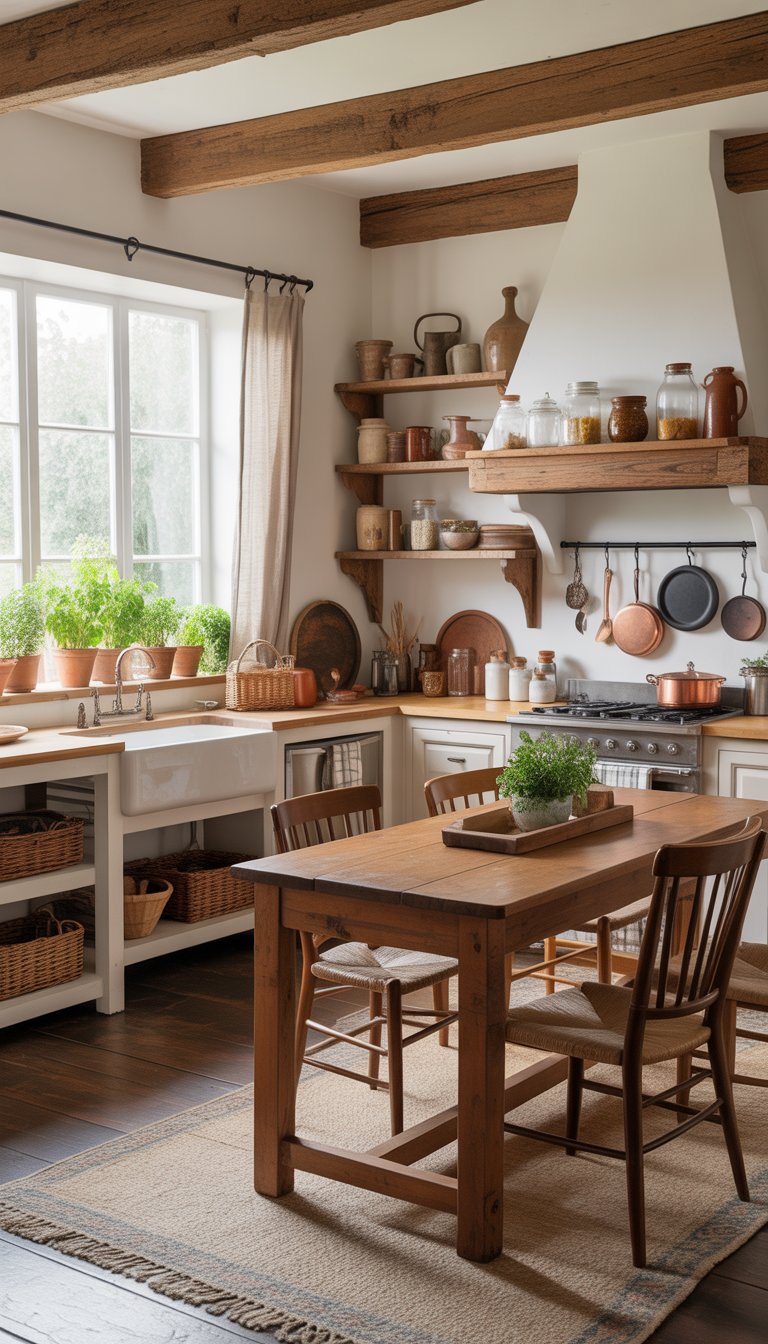
7) Distressed Hardwood for Rustic Vintage Vibe
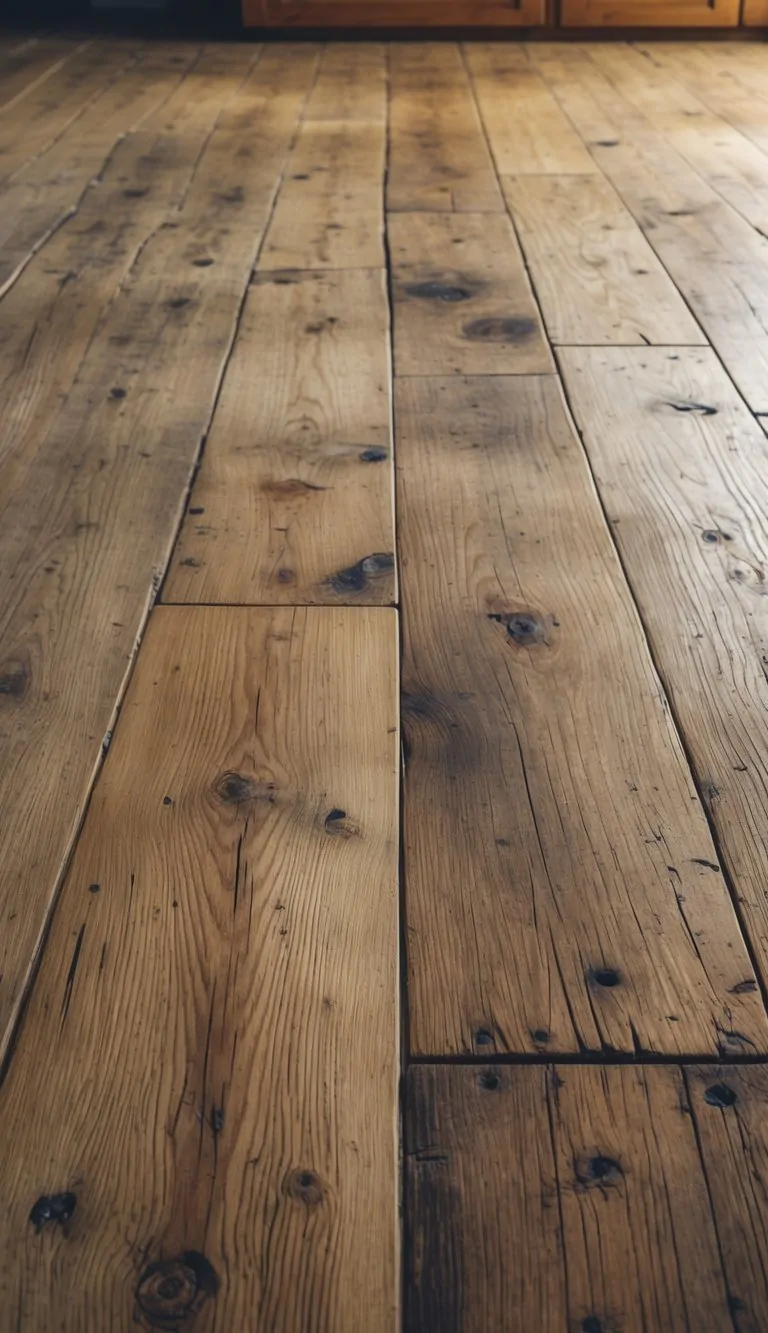
Distressed hardwood brings a warm, worn look that feels inviting.
The scratches and marks tell a story—there’s something cozy about that lived-in feel.
It pairs well with vintage furniture and soft rugs.
Plus, it’s durable and easy to clean, which is great for a busy kitchen.
8) Glossy Checkerboard Pattern

Glossy checkerboard floors look fantastic in vintage kitchens. The shiny tiles add a polished feel.
The black and white pattern always grabs my attention. It’s classic retro and fits lots of styles.
This pattern also makes the kitchen feel bright and open. It’s simple but has a strong style.
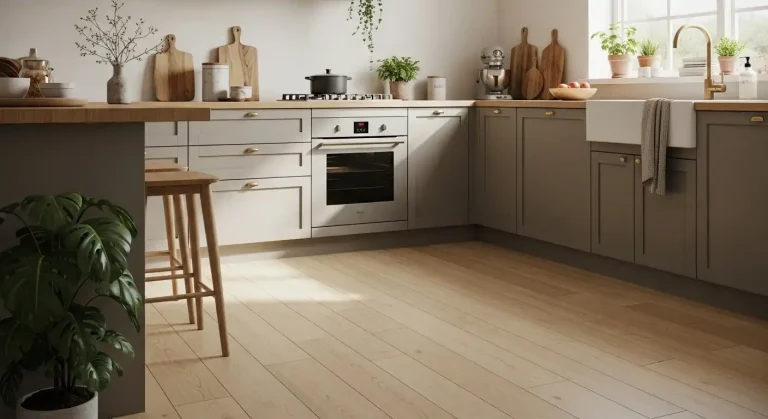
9) Farmhouse Pine Wood Planks

Farmhouse pine wood planks bring warmth to a kitchen.
The soft feel and natural knots add character as the floor ages.
Pine develops a nice patina over time.
It’s perfect if you want a simple, vintage style without too much fuss.
Christmas & Year-End Deals On Amazon !
Don’t miss out on the best discounts and top-rated products available right now!
*As an Amazon Associate, I earn from qualifying purchases.
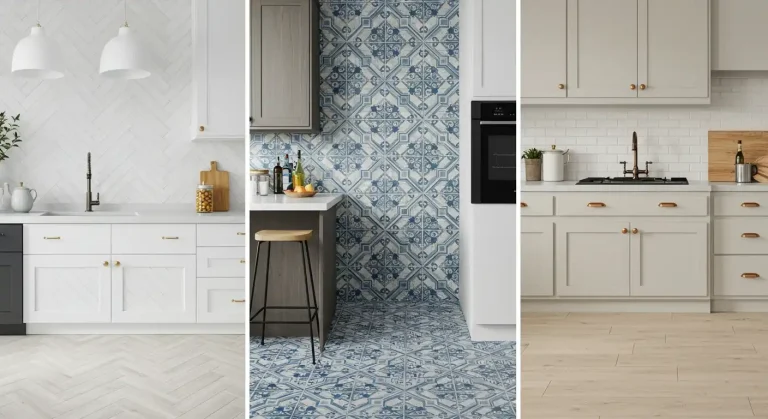
10) Vintage Hexagonal Ceramic Tiles

Vintage hexagonal ceramic tiles bring a cool, classic look to any kitchen.
Their unique shape lets you make patterns that feel simple but interesting.
You can find these tiles in tons of colors and sizes.
They fit well with both old-fashioned and modern styles.
11) Red and White Retro Vinyl Patterns

The bold look of red and white vinyl flooring really pops in a vintage kitchen.
The bright colors give the room a fun, retro vibe.
Patterns often mix simple shapes with classic colors.
They add character but don’t feel too busy or hard to clean.
12) Timber Parquet Flooring

Timber parquet flooring adds a unique pattern to any kitchen.
The small wood pieces fit together in shapes that give the floor character.
Parquet feels warm and inviting.
It works for both modern and classic vintage kitchens.
Christmas & Year-End Deals On Amazon !
Don’t miss out on the best discounts and top-rated products available right now!
*As an Amazon Associate, I earn from qualifying purchases.
13) Slate Gray Stone Tiles

Slate gray stone tiles are one of my favorites for vintage kitchens.
The natural texture adds character without being flashy.
These tiles are tough and handle kitchen traffic well.
They give a cool, classic look that fits a lot of styles.
Slate gray tiles bring a calm, earthy feel.
They look great with wood cabinets and simple vintage decor.
How to Choose the Right Vintage Kitchen Flooring

Picking vintage kitchen flooring means thinking about how the floor will last, fit your home’s style, and work with your budget.
You want something that looks good but also holds up to everyday life.
Knowing the era of your home helps you pick flooring that feels right.
And honestly, you’ll want to plan your spending so things don’t get out of hand.
Balancing Style and Durability
When I pick vintage flooring, I always wonder how it’ll stand up over the years.
Kitchens put floors through a lot, so I really need something tough.
Linoleum and vinyl usually win me over—they’re simple to clean and don’t scratch up easily. That’s a relief, honestly.
Style’s got to count, too. I keep coming back to classic patterns like checkerboard or wood grain.
Christmas & Year-End Deals On Amazon !
Don’t miss out on the best discounts and top-rated products available right now!
*As an Amazon Associate, I earn from qualifying purchases.
They just have that nostalgic vibe but still feel current.
Dark hardwood, though, that’s a personal favorite. It’s sturdy and just makes the space feel warmer.
If my floor matches my daily routine, I feel better about it lasting.
Considering Home Era and Architecture
I try to match my flooring to the home’s era and style. Like, a 1950s place feels right with linoleum or those retro tiles. It helps the vintage look feel genuine.
Older homes, maybe from the early 1900s, seem to work better with hardwood or classic stone tiles.
The flooring should go with details like cabinets and moldings. That’s what makes a room feel like it all belongs together.
Budgeting for Vintage Flooring Projects
Budget kind of decides everything. Original hardwood floors can get pricey to restore or install.
Vinyl and linoleum, though, usually come at a lower price and still have that classic charm.
I always make a list of materials and prices before I start. Installation costs can sneak up, so I keep an eye on those too.
Peel-and-stick options sometimes help me cut down on labor costs. A little planning saves me from headaches later.
Installation and Maintenance Tips for Vintage Floors
Putting in vintage kitchen floors needs a bit of strategy. Keeping them looking good?
That comes down to using the right cleaning methods and protecting the surface from damage.
Christmas & Year-End Deals On Amazon !
Don’t miss out on the best discounts and top-rated products available right now!
*As an Amazon Associate, I earn from qualifying purchases.
Preparing Your Kitchen for New Flooring
Before I lay down a new vintage floor, I clear out the whole kitchen.
Out go the cabinets, appliances, and old flooring—just to get a flat, clean start.
Bumps or leftover debris can mess things up later, so I try to be thorough. Then I check the subfloor for cracks or moisture.
Fixing those first just makes sense.
If I’m working with wood or linoleum, I make sure the subfloor is totally dry.
When it comes to tools, I grab a tape measure, level, utility knife, and whatever adhesives or nails fit the flooring.
I go slow with measuring and cutting, especially with patterns like checkerboard tiles or linoleum sheets.
Getting those lines neat is worth the extra time, even if it’s a bit tedious.
Caring for Original and Reproduction Surfaces
Vintage floors deserve gentle care. For linoleum or vinyl, I usually grab a damp mop and a little mild soap—nothing fancy, just enough to avoid scratching or stripping the finish.
Skip harsh chemicals or abrasive pads. They really can dull the floor’s look, and honestly, who wants that?
If you’ve got a wood floor, regular sweeping helps. Wiping with a soft cloth keeps dirt from settling into the grooves.
Sometimes I’ll put on a fresh coat of wax once a year. It protects the wood and keeps that shine alive, though it’s not always strictly necessary.
Christmas & Year-End Deals On Amazon !
Don’t miss out on the best discounts and top-rated products available right now!
*As an Amazon Associate, I earn from qualifying purchases.
Reproduction floors? Stick to the manufacturer’s care instructions. They’re usually easier to deal with, but regular cleaning and quick attention to spills still matter.
Tip: Felt pads under furniture legs are a lifesaver for scratches. Mats by the door catch most of the dirt before it gets tracked in.