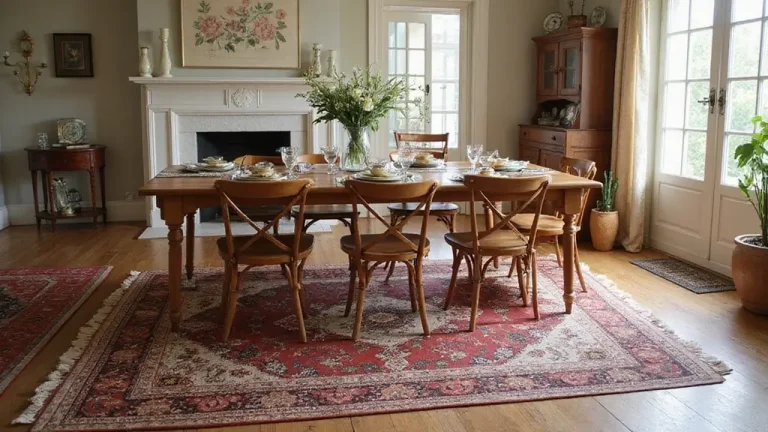
10 Rustic Dining Room Ideas to Cozy Up Your Home with Warm, Natural Flair

I love how a rustic dining room makes a home feel honest and warm. You don’t need a big budget or a total remodel to get that vibe.
Here are simple, practical ideas to bring natural textures, cozy lighting, and that lived-in charm into your space. Meals just feel more welcoming and relaxed this way.
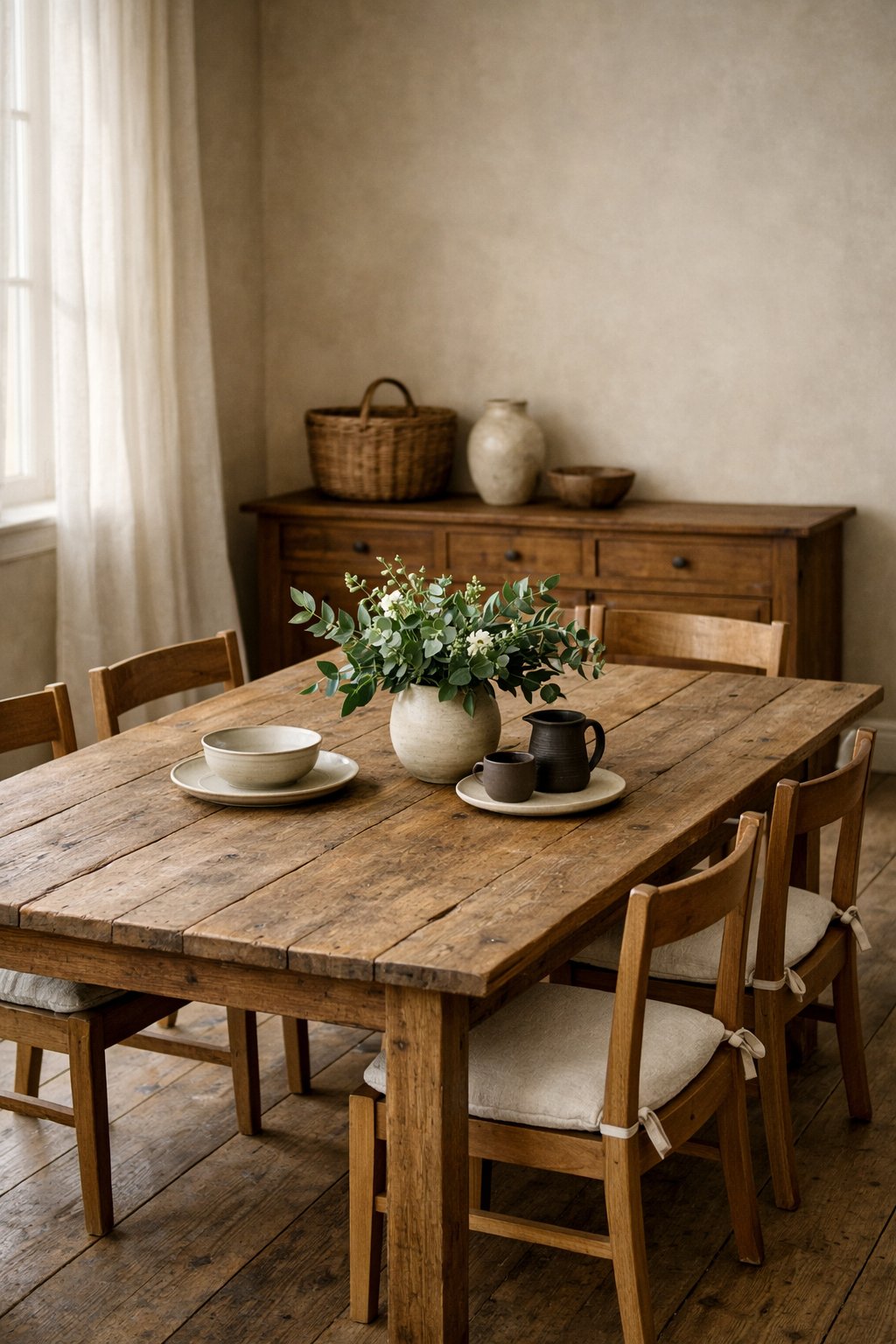
I’ll show you easy ways to use wood, vintage pieces, soft linens, and handmade accents. Mix and match these ideas to make the room feel like yours.
Reclaimed wood dining table as a rustic centerpiece
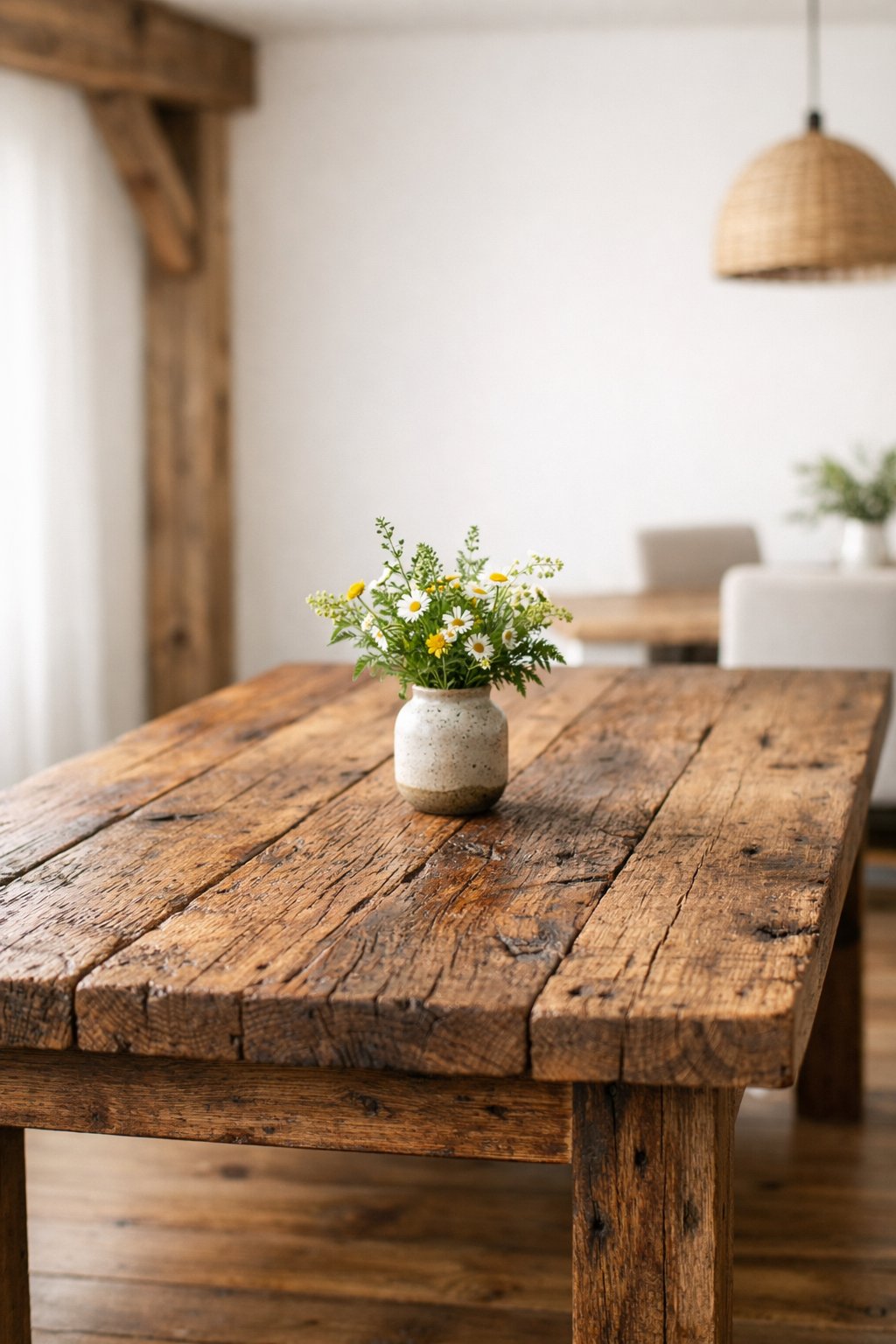
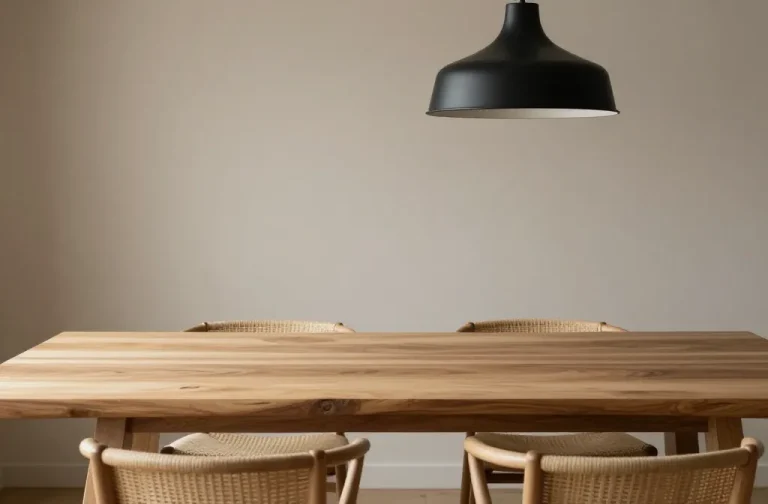
I like using a reclaimed wood dining table to anchor a rustic room. Its worn grain and knots bring warmth and a lived-in look.
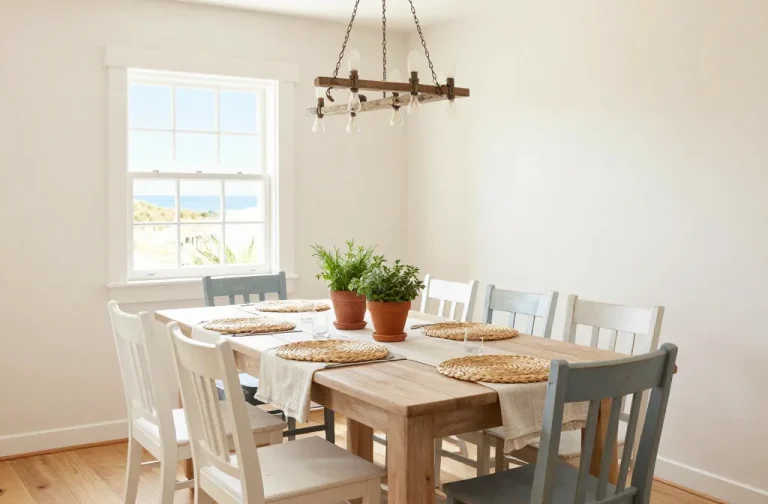
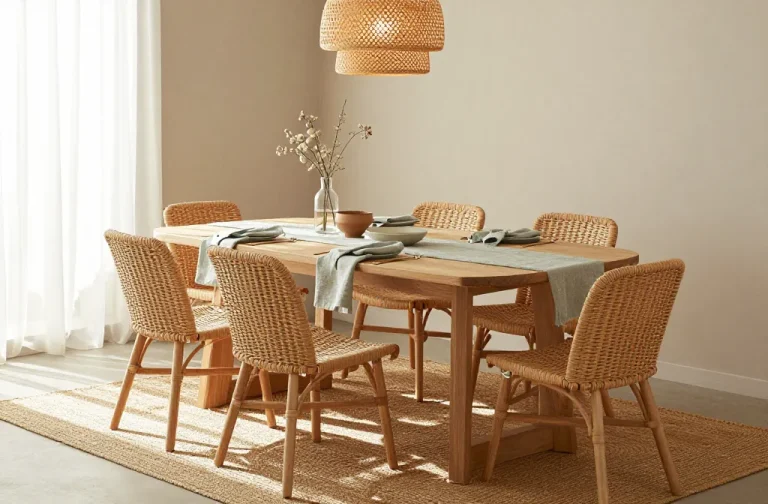
Pair it with simple chairs and soft lighting. I usually add a linen runner and a small vase to keep things relaxed and inviting.
Vintage wrought iron chandelier for cozy lighting
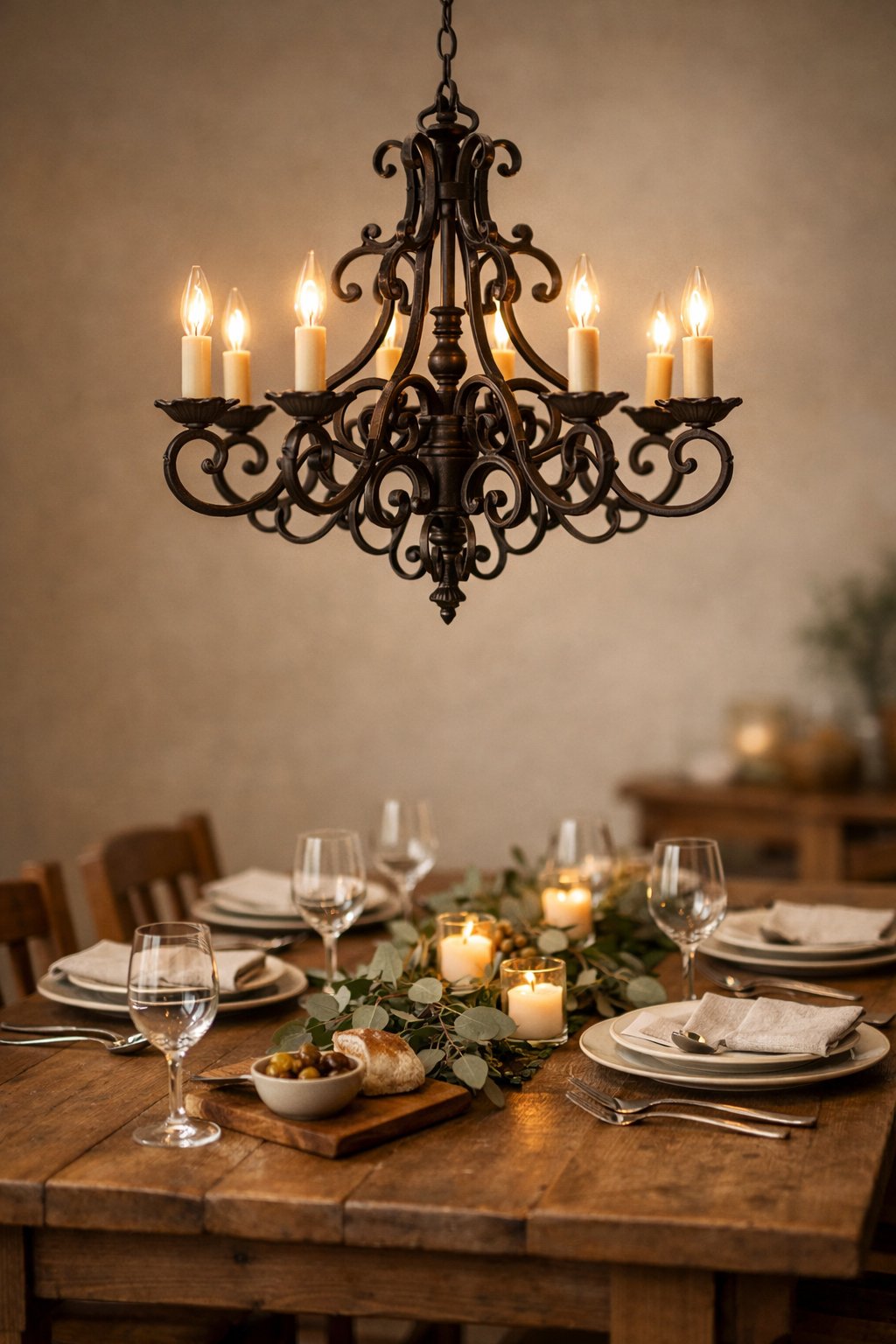
There’s something about a vintage wrought iron chandelier that just warms up a dining room. The dark metal and simple curves feel timeless and cozy, but not fussy.
I hang mine low over the table for soft, even light. The glow makes dinners feel relaxed and invites longer talks.
Exposed wooden beams to add natural texture
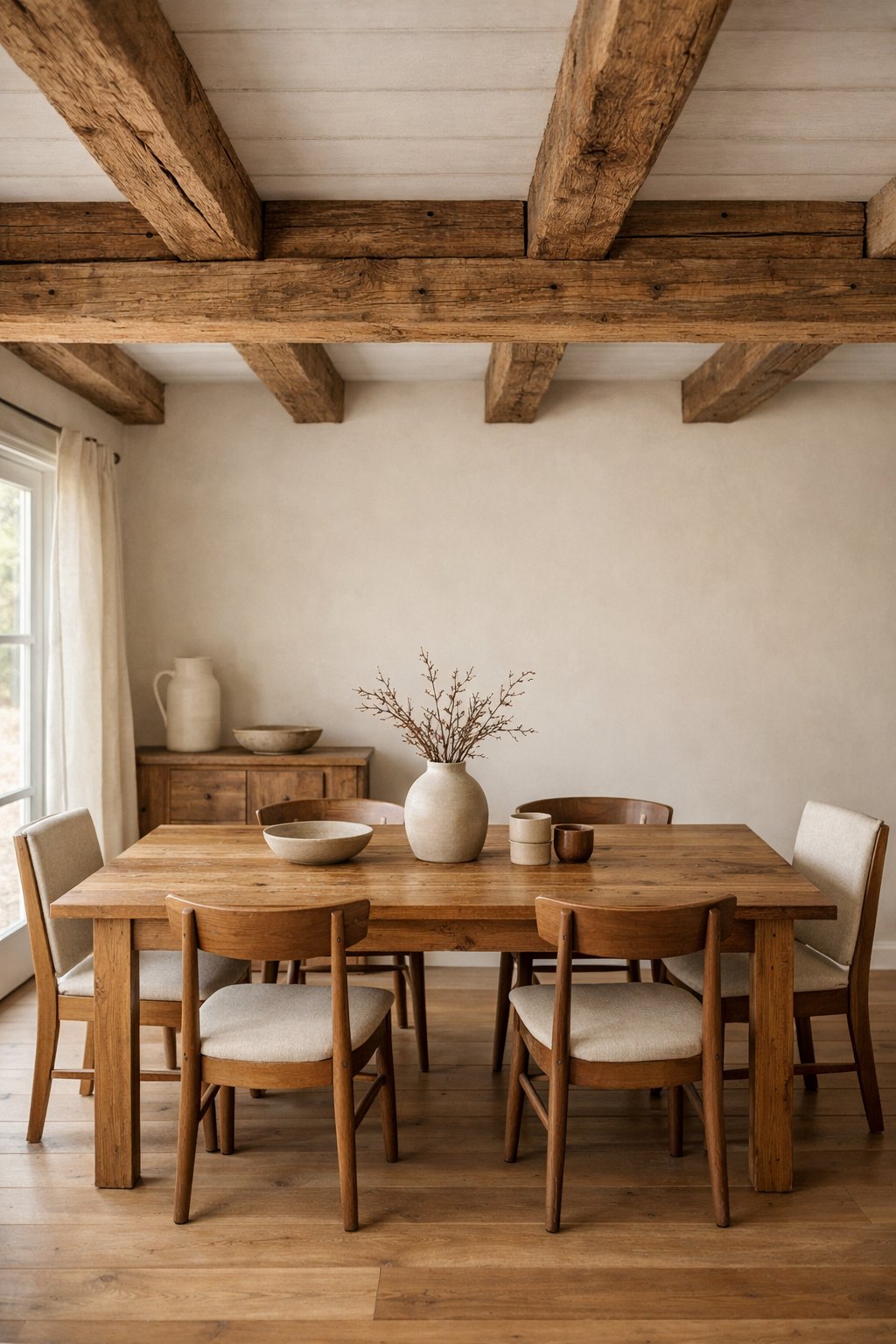
Exposed wooden beams bring warm, natural texture to a dining room. They draw your eye upward and make the space feel cozier without a lot of extra decor.
I prefer beams with a weathered or gray-wash finish to keep things soft. Pair them with simple wood furniture and neutral walls for balance.
Distressed hardwood floors for authentic charm
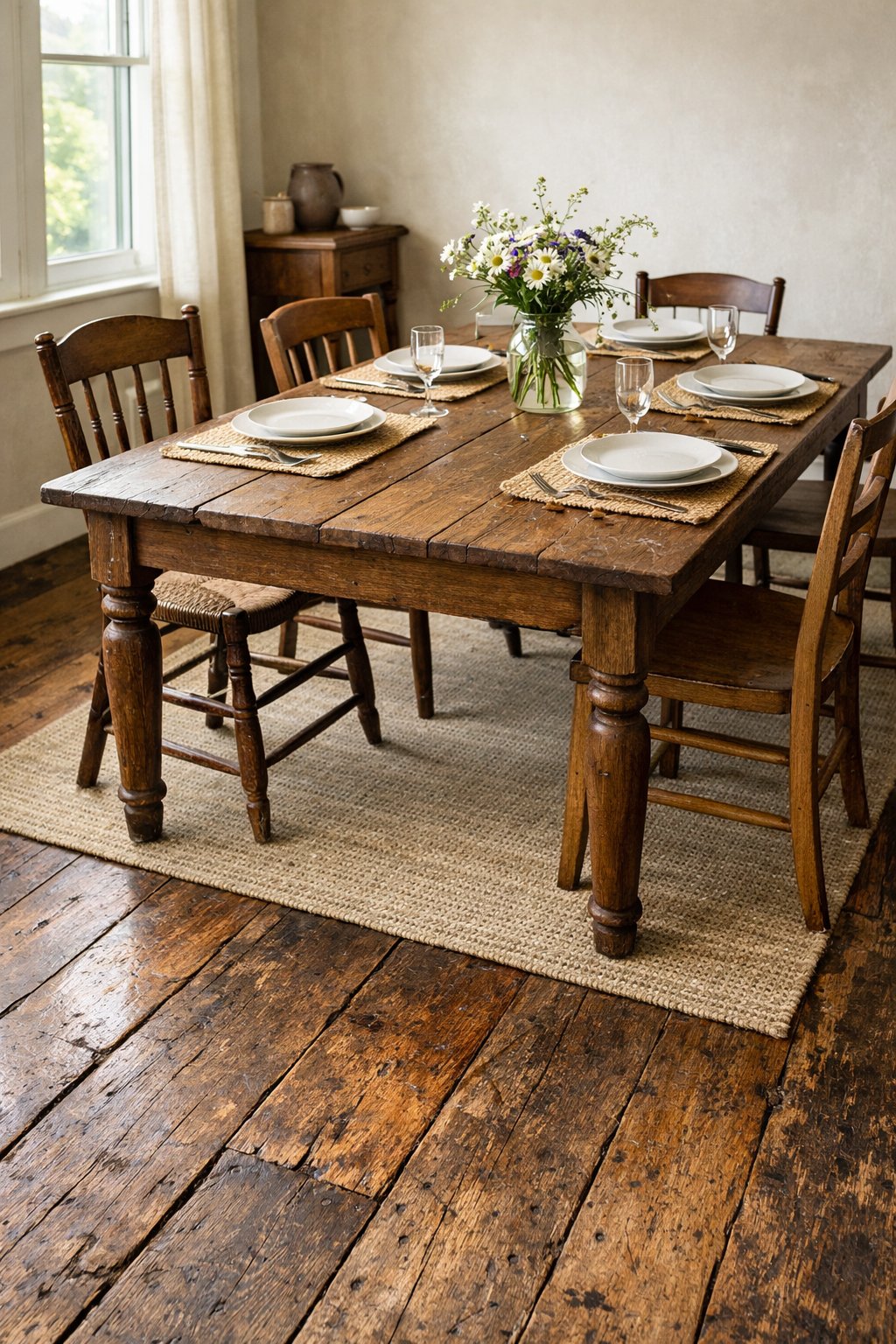
Distressed hardwood makes a dining room feel lived-in and warm. The scuffs and knots tell a story, while the floor still holds up to daily use.
I go for hand-scraped or wire-brushed planks for texture and grip. Reclaimed wood brings real age, but modern distressing gives a similar look with more consistency.
Mason jar pendant lights over the table
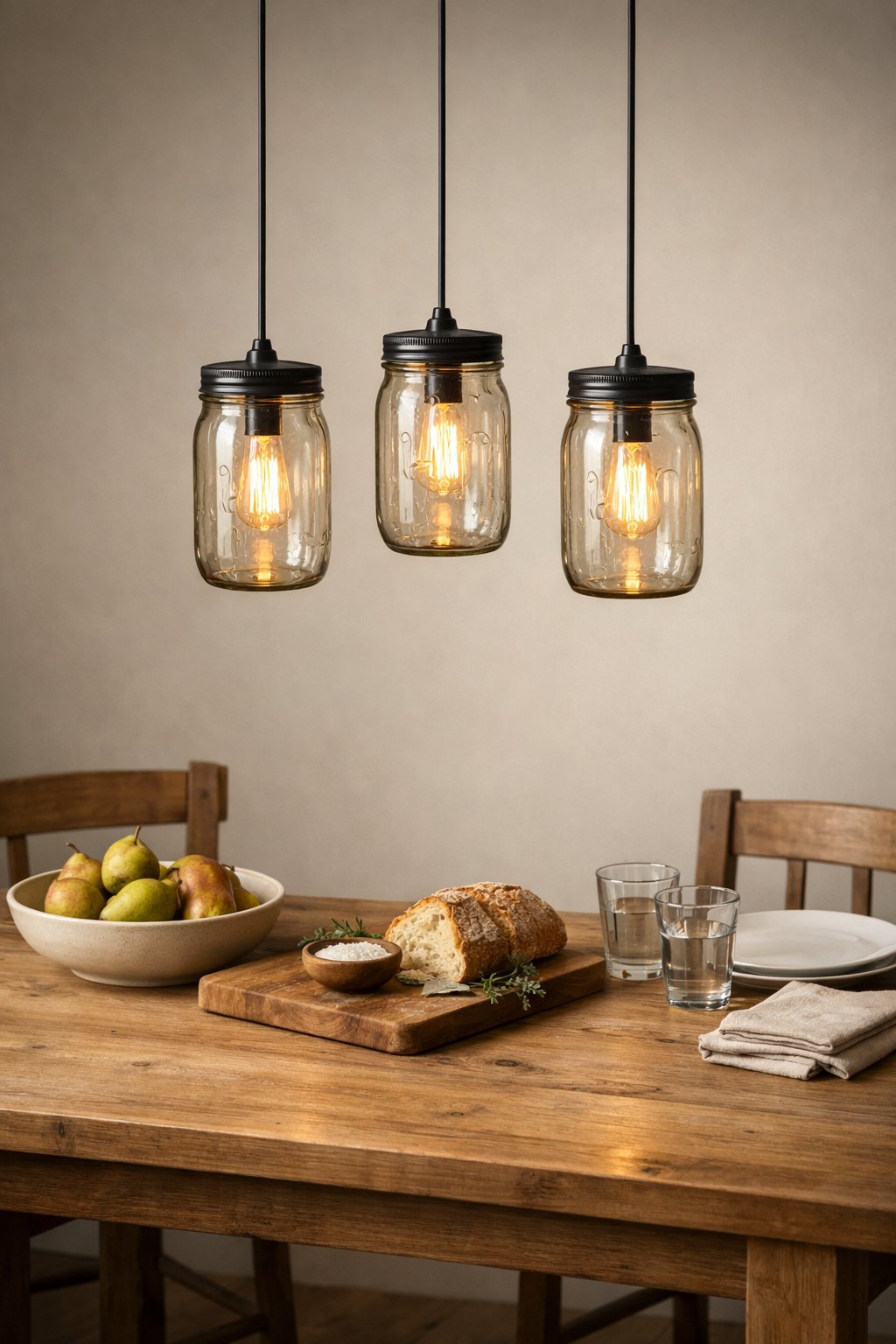
Hanging mason jar pendant lights above the table adds warm, simple charm. They cast a soft glow that makes dinners cozy without being harsh.
I use clear or frosted jars and mix in metal or wood hardware to fit my rustic style. They’re DIY-friendly, so I can tweak height and spacing to fit the table just right.
Farmhouse-style bench seating for warmth
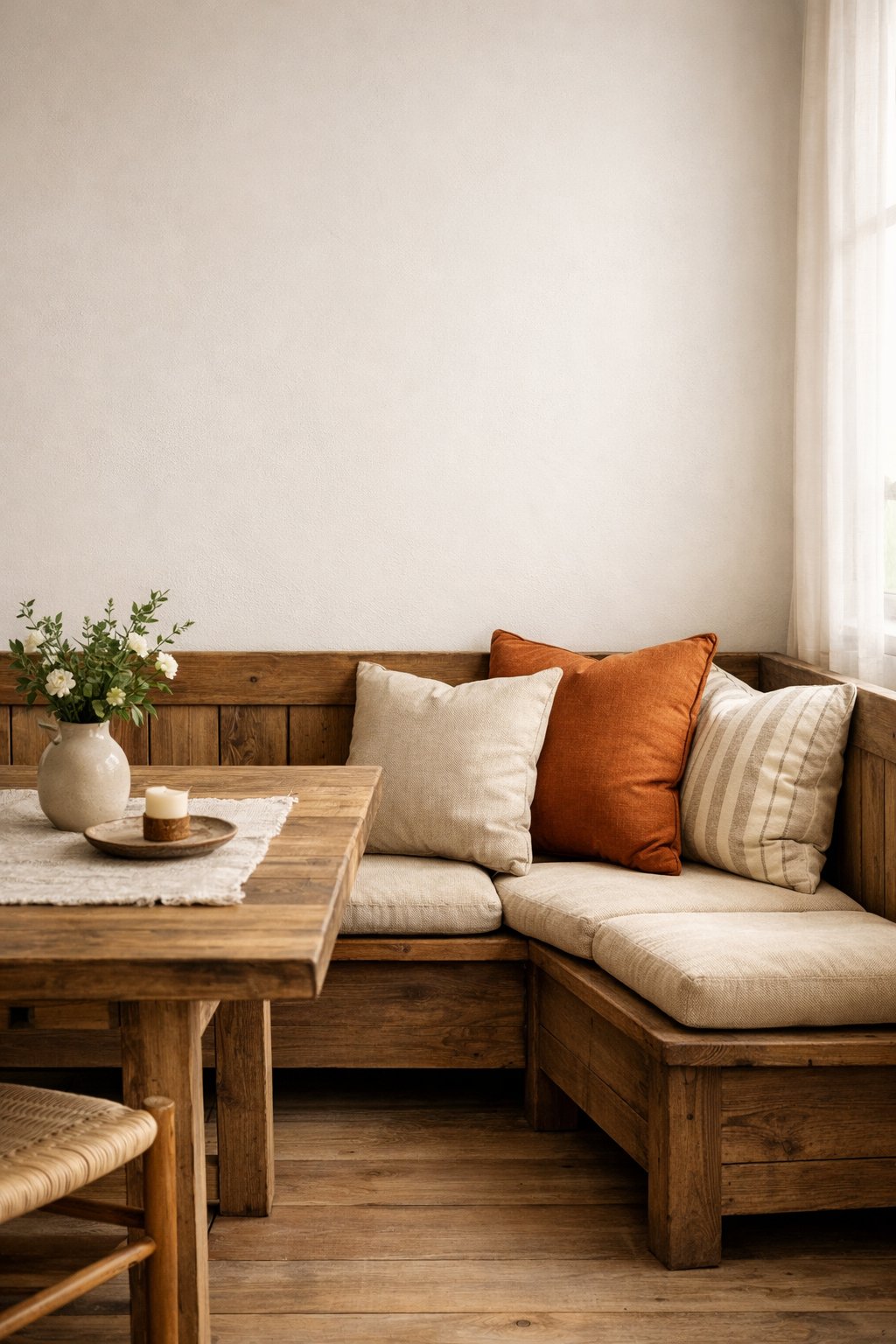
A farmhouse bench brings a cozy, lived-in feel. A reclaimed wood bench pairs well with a simple table and soft cushions.
I like mixed seating—one bench and a couple of chairs—to keep things flexible. Throw pillows and a woven runner add warmth but don’t clutter the space.
Antique wooden cabinets for storage and character
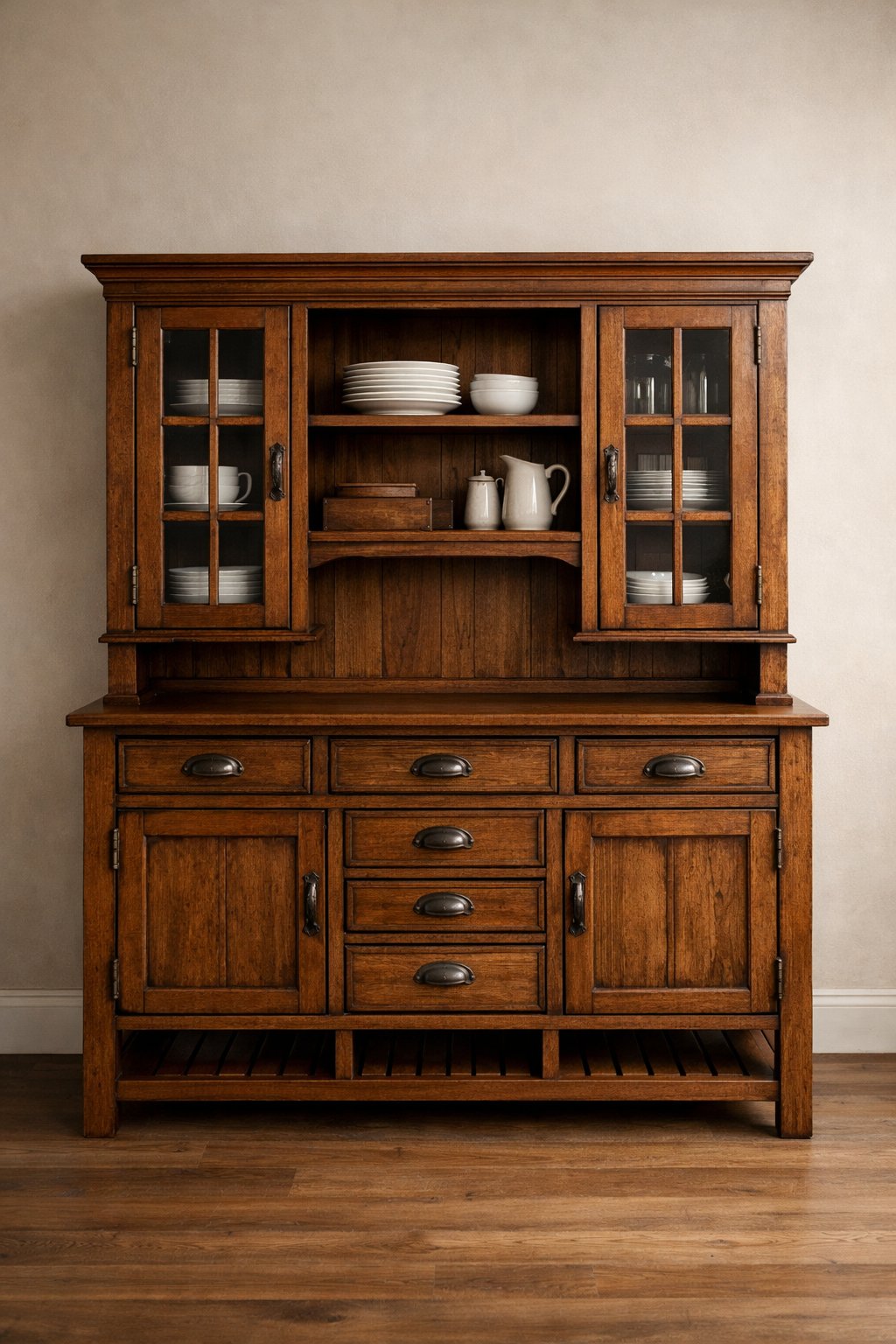
Antique wooden cabinets add warmth and storage to the dining room. They hold dishes, linens, and small things, giving the space a lived-in look.
I check for sturdy joints and usable drawers when I pick a piece. A distressed finish and simple hardware bring quiet charm without making it feel overdone.
Natural linen table runners and napkins
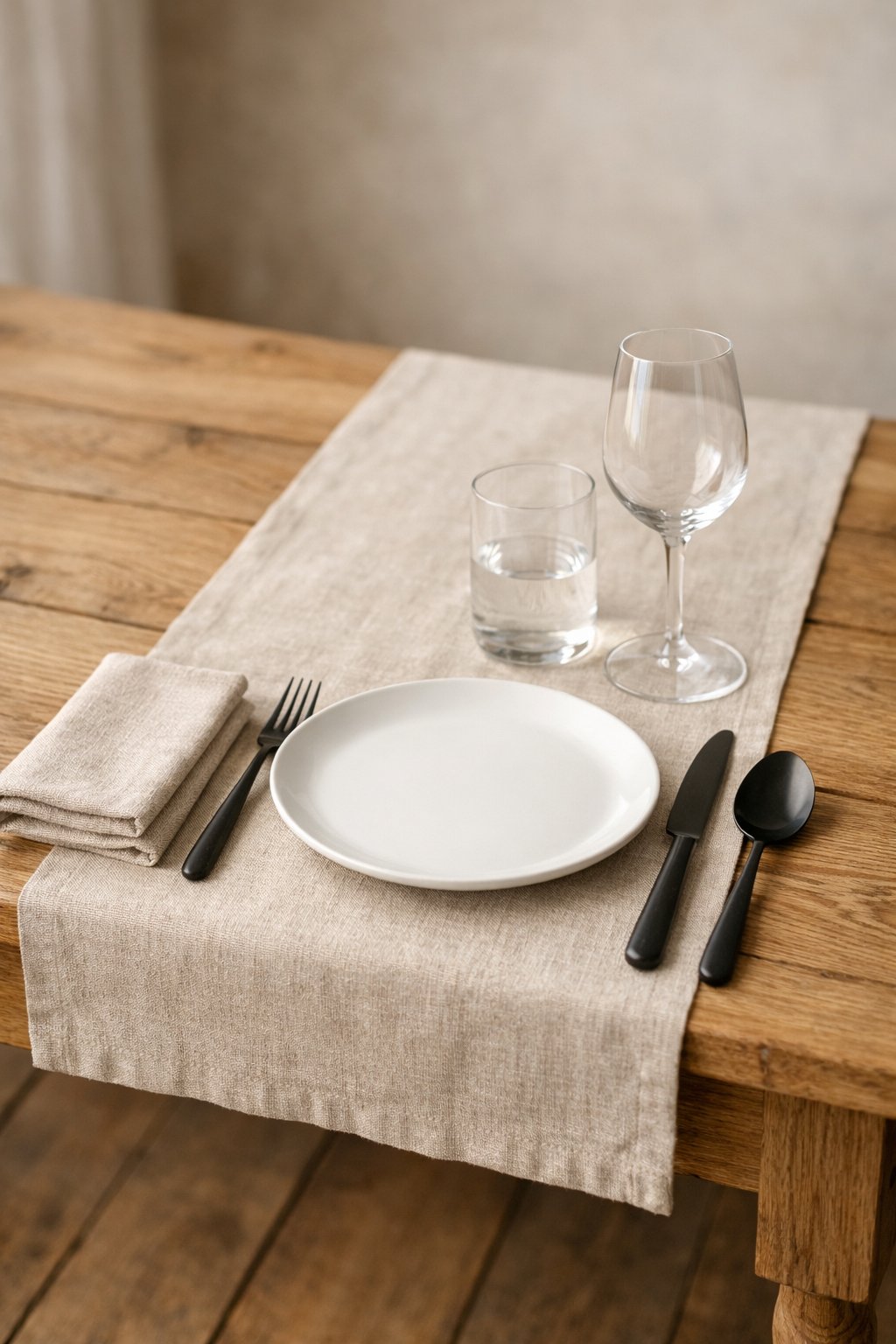
Natural linen runners and napkins soften a rustic table. They add texture and a warm, lived-in look with almost no effort.
I pair neutral tones with wood or burlap for a simple, cozy feel. The fabric washes well and gets even softer over time, so it holds up through many meals.
Stone or brick accent wall behind the dining area
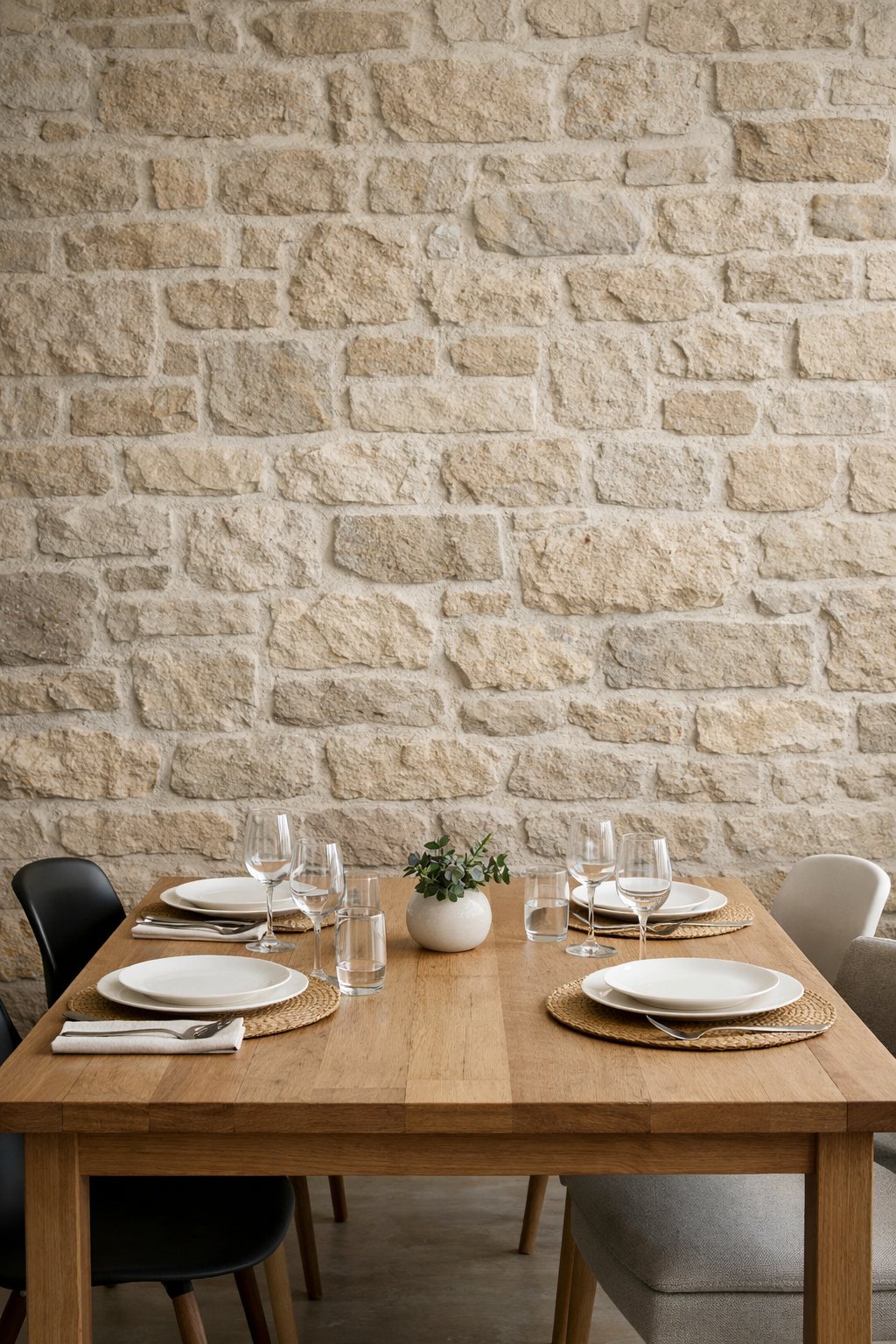
A stone or brick wall brings warmth and real texture to the dining space. It makes the room feel cozy and offers a simple backdrop for wood tables and soft lighting.
I usually go with peel-and-stick or thin stone panels for a quicker install. They look real and save time, so I can focus on furniture and decor instead.
Handcrafted pottery dishes for rustic flair
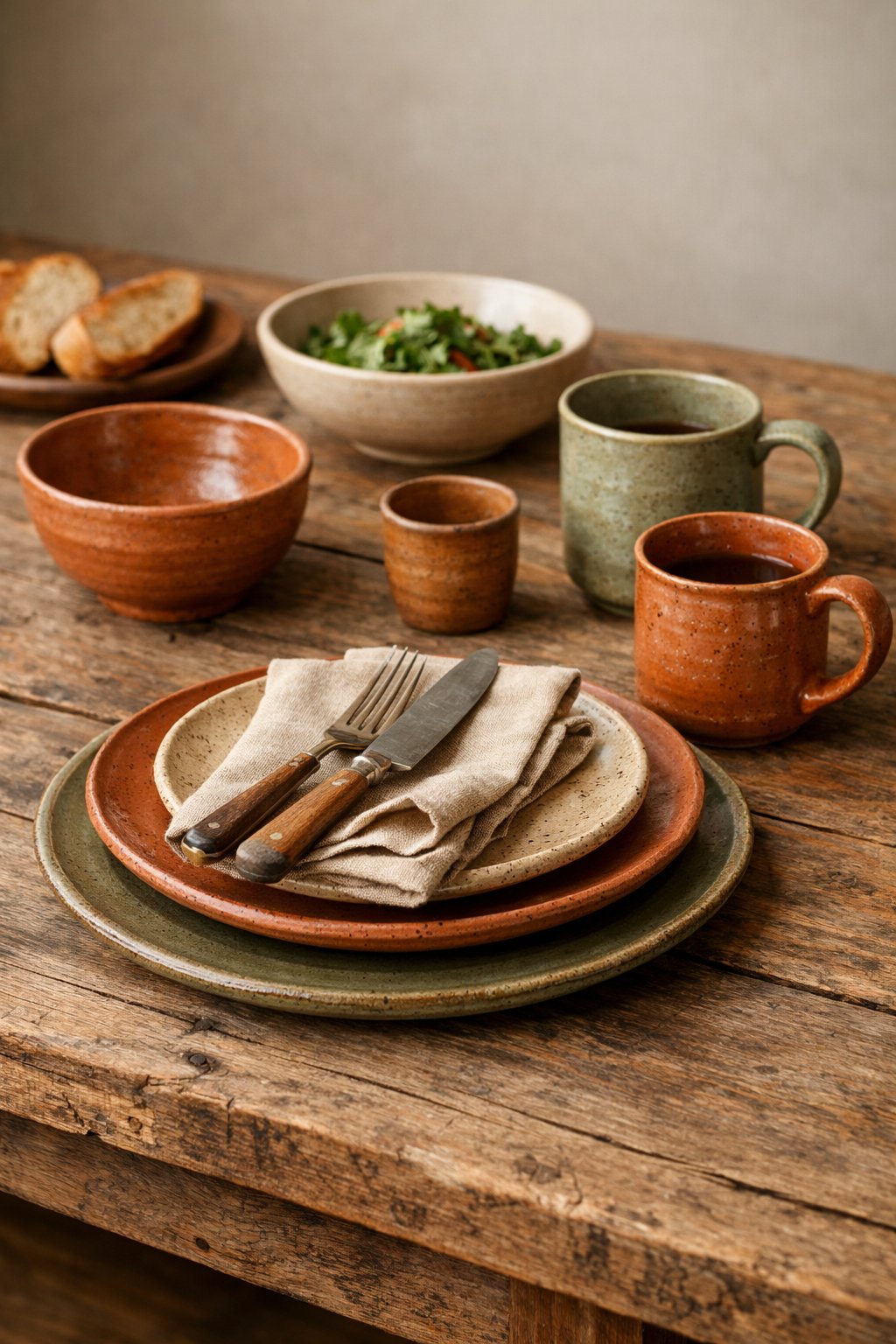
Handcrafted pottery gives the dining room a warm, rustic feel. Each piece has small imperfections that make it look natural and lived-in.
I like mixing stoneware plates and mugs with rough rims and earthy glazes. The whole setup feels cozy and personal, not forced.
Key Elements of Rustic Dining Room Style
I focus on what makes a rustic dining room feel warm and lived-in. You’ll see heavy wood, earthy colors, and a few sturdy, well-made pieces that really last.
Natural Materials and Textures
Wood comes first for me. A reclaimed or distressed wood table brings deep grain, knots, and a lived-in surface that anchors the room.
Exposed beams, wide-plank floors, or a wood-paneled wall add the same rough-hewn look without matching every piece.
I layer textiles for softness. Linen or cotton table runners, woven placemats, and burlap napkins add texture and tone down hard surfaces.
Leather or upholstered chairs give comfort and break up the wood tones. I add natural stone and metal sparingly—a stone hearth, slate tile, or iron light fixtures add contrast and durability.
These pieces should look honest, not overly polished. That’s what keeps the rustic feel intact.
Color Palettes That Define Rustic Charm
I stick to earthy, muted tones—warm browns, soft taupes, olive greens, and clay reds. These colors echo wood and stone and keep the space calm during meals.
I use color in layers. A neutral wall color like warm cream or greige sets the stage.
Add deeper shades through furniture, textiles, and a painted accent cabinet for depth. Accent colors should feel weathered, not bright.
I balance warmth and contrast. Dark wood furniture pairs with lighter walls and linens.
Small touches—maybe a rust-colored throw, matte black hardware, or a sage-green vase—give personality without overpowering the room. That’s where the magic happens, honestly.
Essential Furniture Pieces
I always start with a strong central table. A long farmhouse or plank-top table anchors the space and gives everyone a place to gather.
The table’s size matters—make sure there’s at least 36 inches of clearance all the way around. Nothing’s worse than squeezing past a chair just to get to your seat.
For seating, I like to mix things up for comfort and style. A bench on one side keeps things casual, while upholstered chairs on the other bring in softness and a bit of contrast.
Chairs with simple lines and sturdy, easy-to-clean fabrics just make sense. They look good and actually hold up to real life.
Functional storage is a must. I usually go for a sideboard, hutch, or even a barn-door buffet—something that can stash dishes but also show off a few favorite pieces.
I pay attention to details like visible joinery and solid hardware. Those touches not only last longer but really nail that rustic look.