Minimalist Kitchen Wall Art Ideas to Freshen Your Space with Simple Style

You want a kitchen that feels calm, tidy, and stylish, but not cold or empty. Here are some simple wall art ideas—from line drawings and botanical prints to muted geometric pieces—that add personality while keeping things serene.
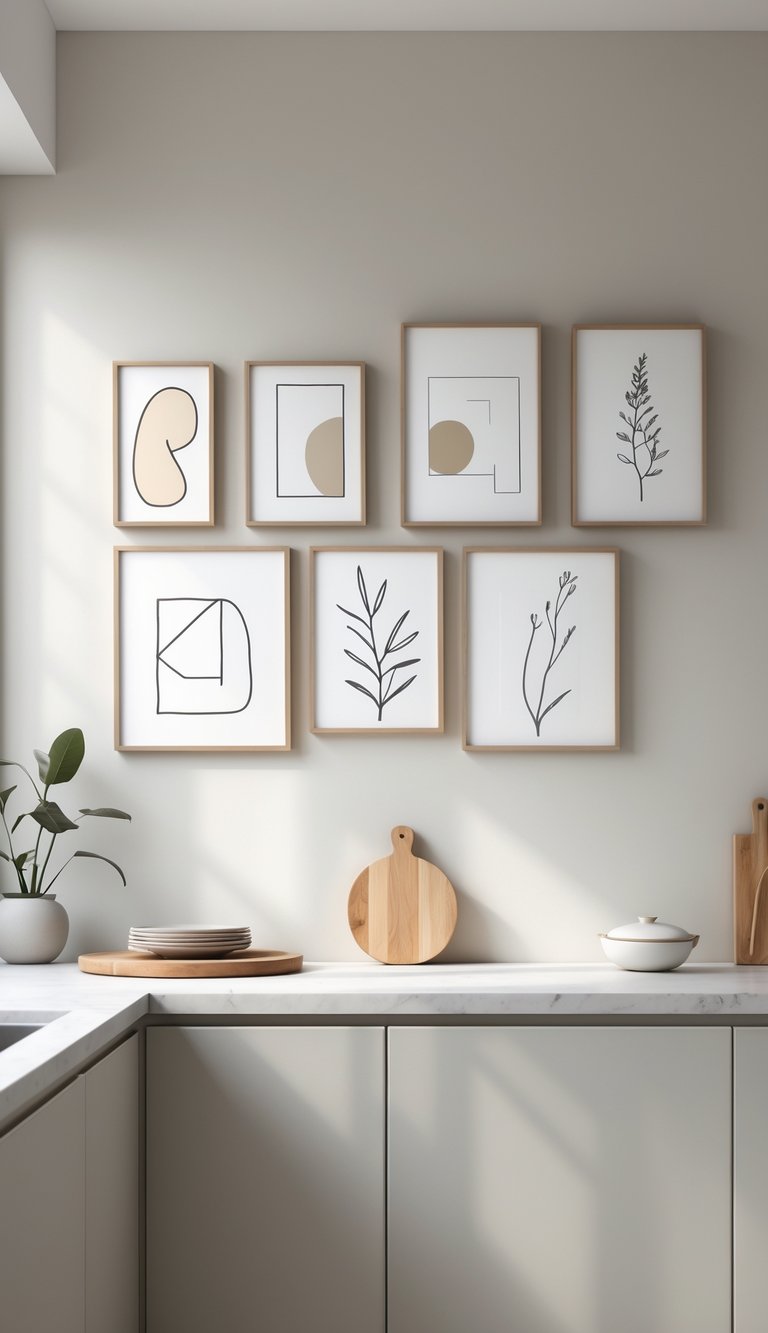
You’ll find easy, budget-friendly art styles and clear tips so you can pick and hang pieces that match your kitchen’s mood and make it feel more inviting.
Use these ideas to create a look that blends with your cabinets, colors, and daily routine.
Minimalist line art of kitchen utensils
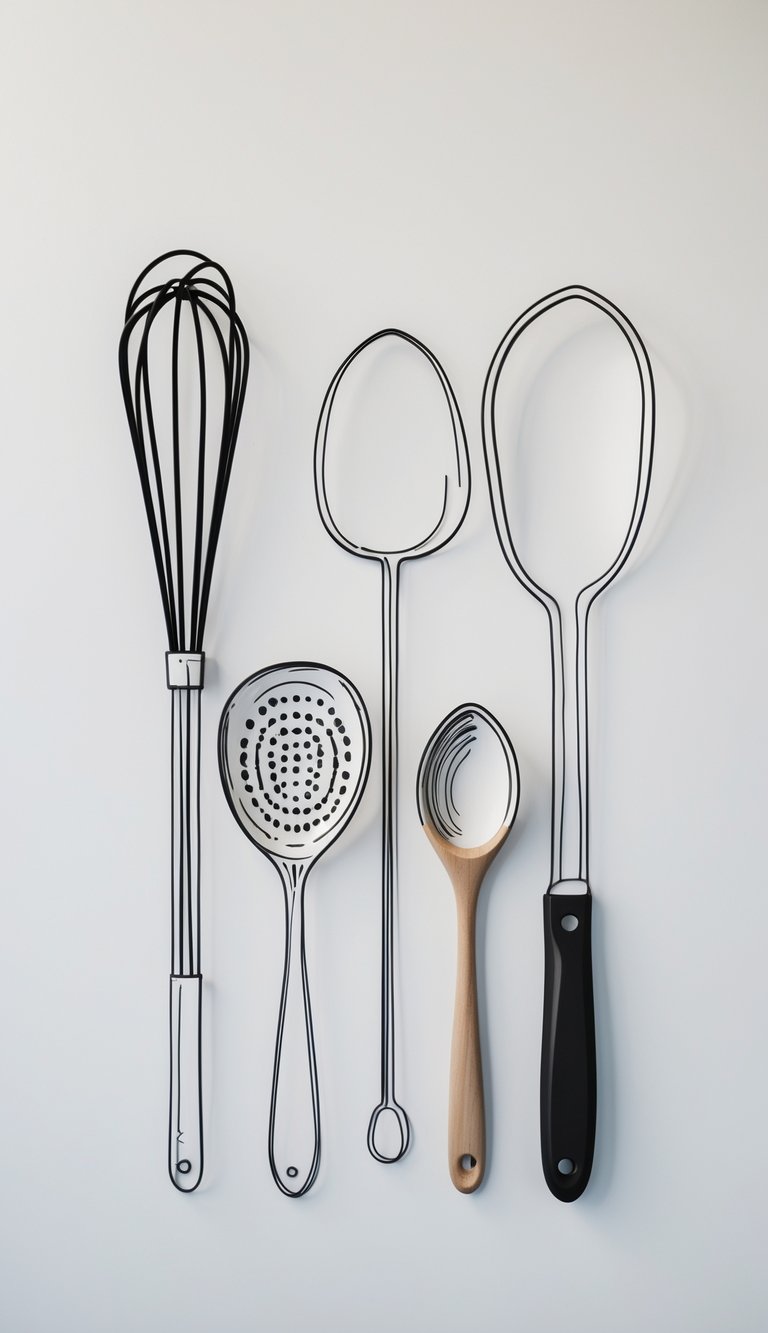
Hang simple line drawings of spoons, forks, and pans to bring a sense of calm. These prints use just a few lines, so they feel clean and modern.
Place one above a counter or group a few in a row for a tidy look. Black-and-white or soft tones keep the mood gentle and match most cabinets.
Black and white food illustrations
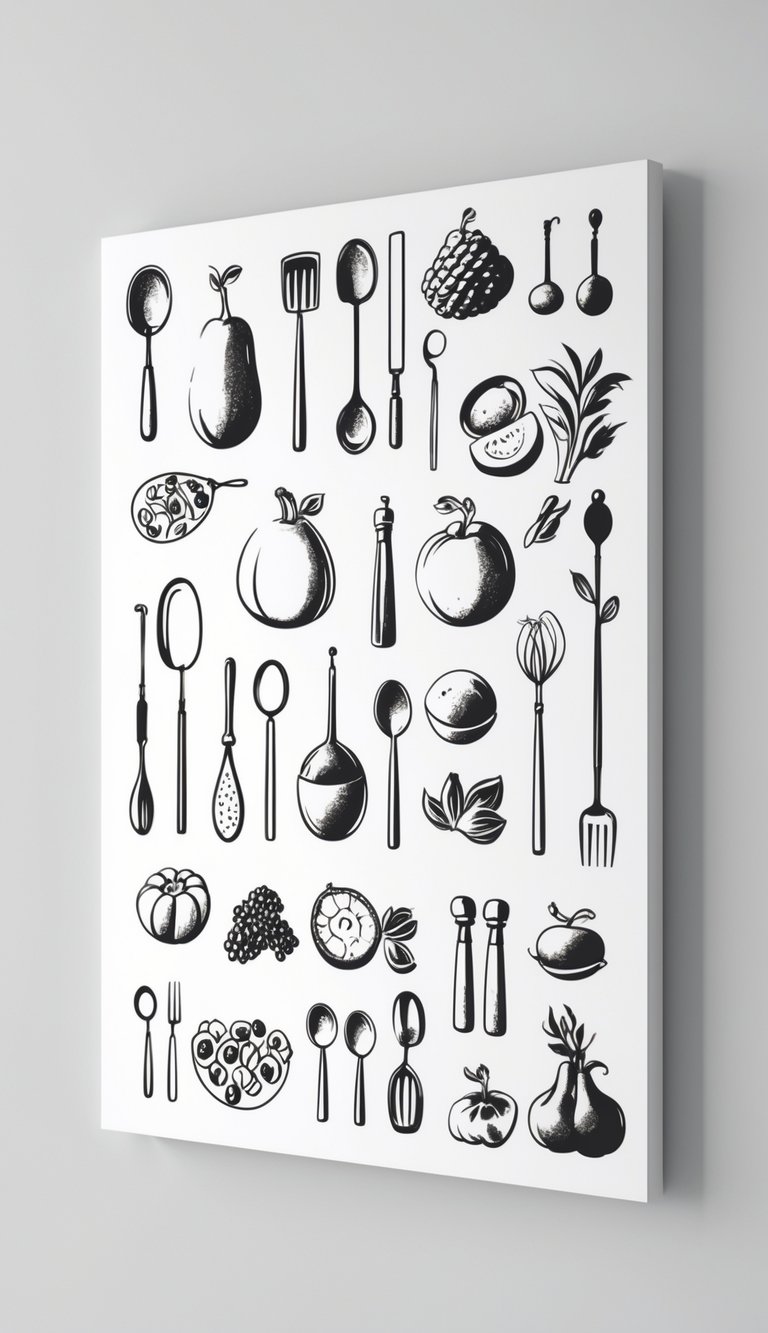
Try simple line drawings of fruits, vegetables, or utensils for a bit of charm without clutter. These prints help your kitchen feel calm and let other decor take the spotlight.
Mix up sizes and frames for balance. Black and white art works with any color scheme and is easy to swap out if you ever get bored.
Simple geometric shapes in muted colors
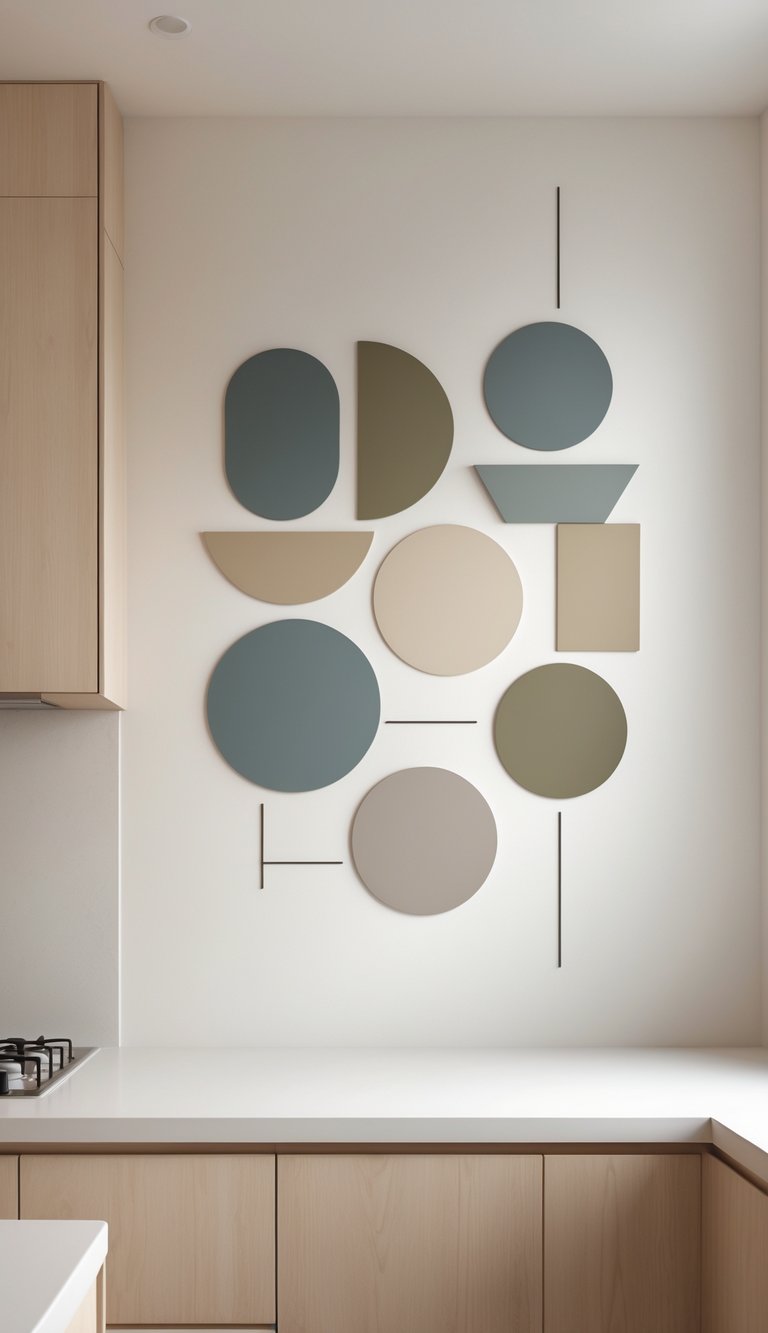
Pick circles, squares, or triangles in soft tones like beige, gray, or sage. They add a quiet touch without taking over the room.
Hang a large print or a small trio on a blank wall. Slim, natural frames fit right in with a minimalist kitchen.
Let negative space do some work—give the shapes room to breathe so your kitchen feels open and tidy.
Monochrome botanical prints
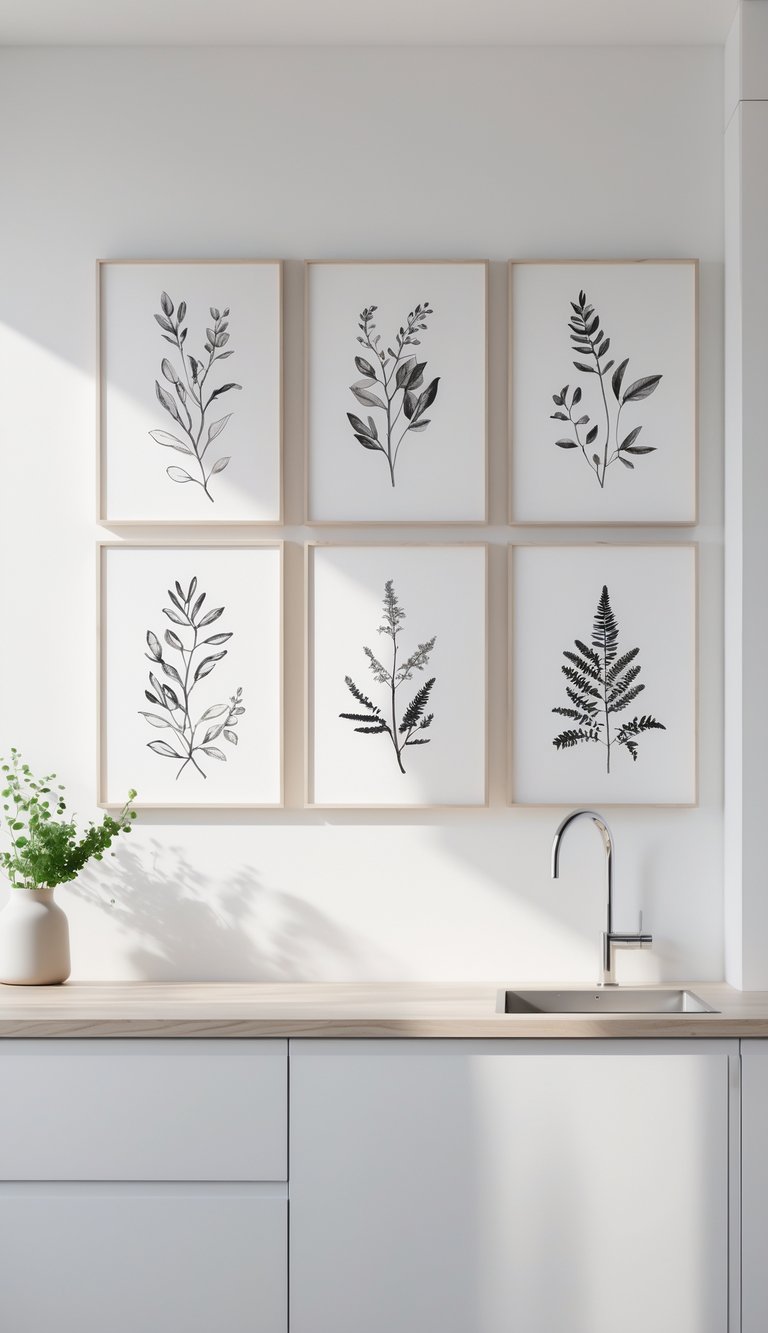
Choose black-and-white plant prints for a calm, fresh vibe. These natural shapes keep things looking clean, not busy.
Mix up the sizes on one wall for balance. Thin frames and matte paper keep the look simple and modern.
Abstract kitchen-themed watercolors
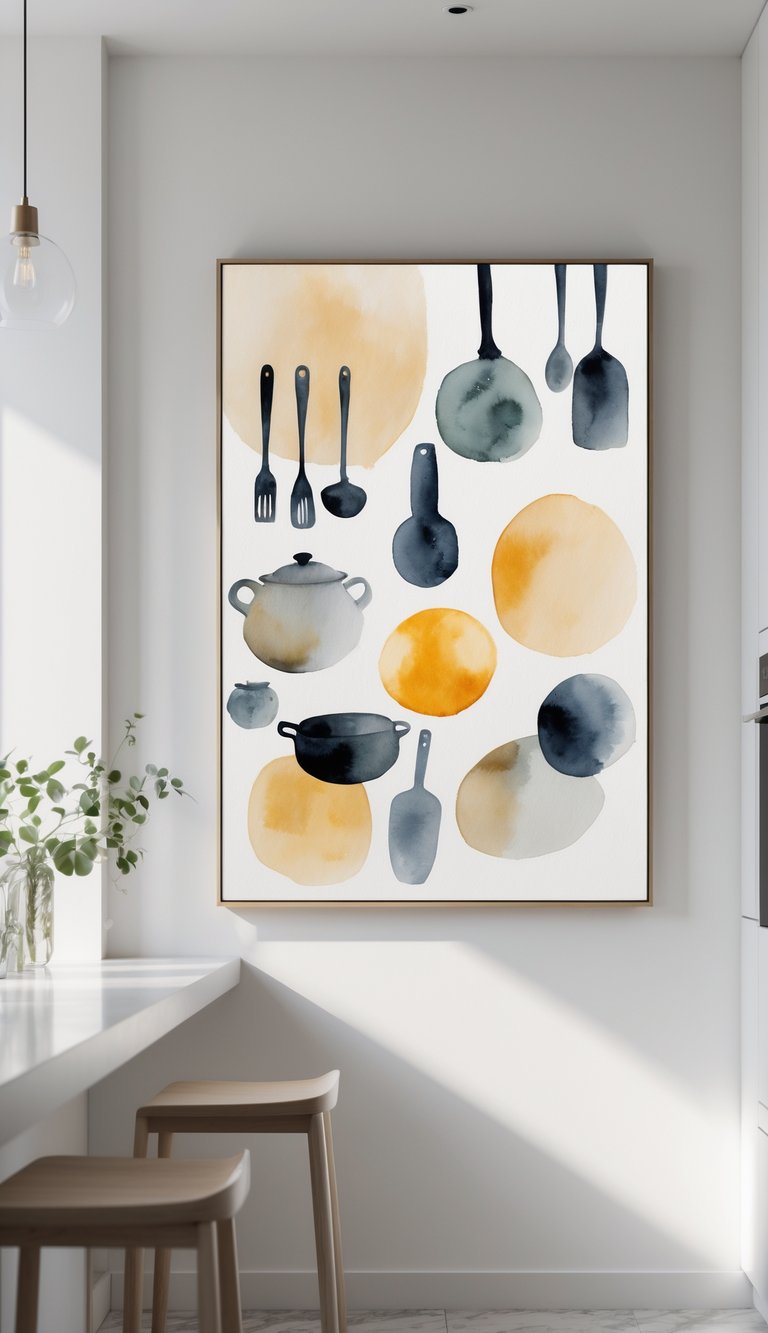
Pick soft, food-inspired shapes and muted colors for a gentle touch. Hang a set of three small watercolors above a breakfast nook for a subtle focal point.
Choose pieces that echo your kitchen’s tones. Keep the frames simple so everything feels clean and light.
Scandinavian-inspired wooden frame art
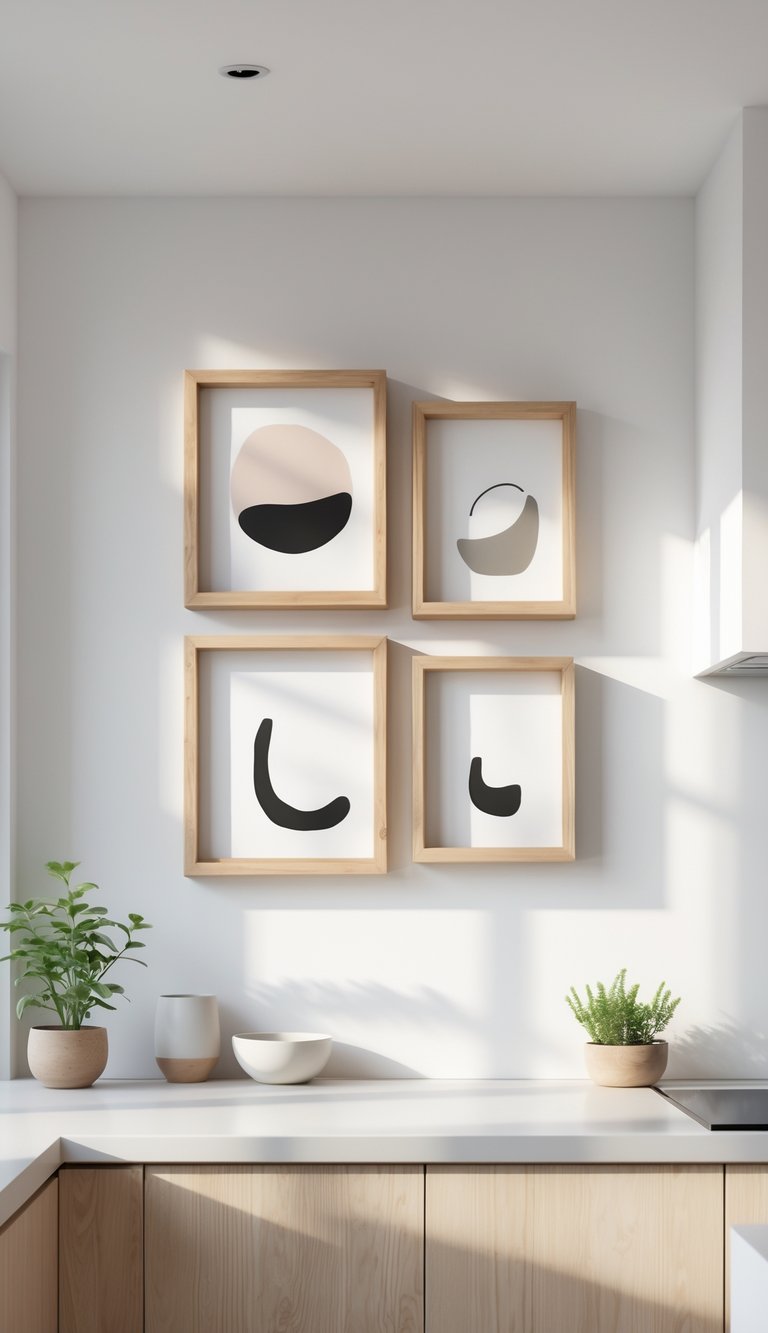
Simple wooden frames bring warmth without clutter. Try pairing light oak or beech with muted prints for a calm, clean look.
Hang one or a small group above open shelves or your dining nook. The wood ties your art to other kitchen pieces like cutting boards or bowls.
Minimalist coffee cup sketches
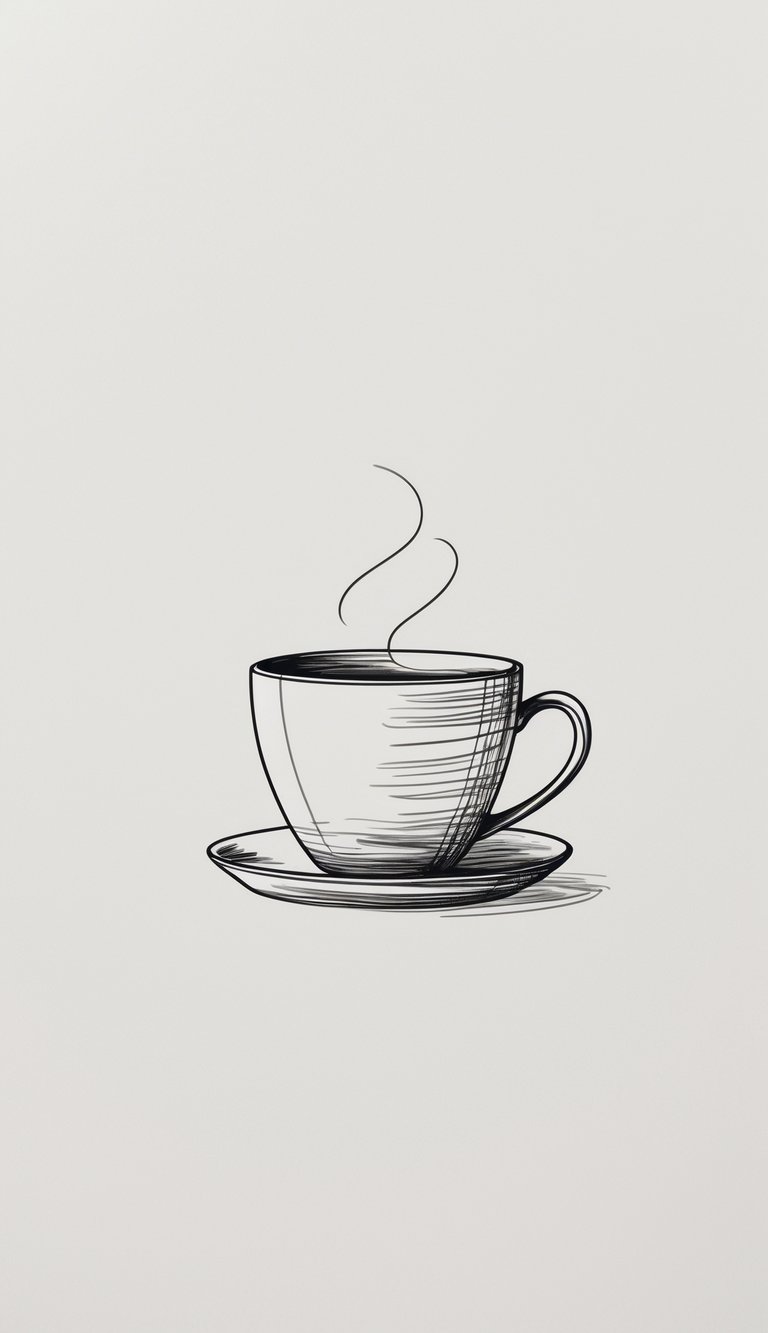
Hang a simple coffee cup sketch for a bit of charm. A few clean lines or a single stroke can suggest steam and shape.
Pick neutral tones or soft browns to suit your kitchen. These prints fit small nooks or look cozy above a coffee station.
Clean typography food quotes like “Eat well, live well”
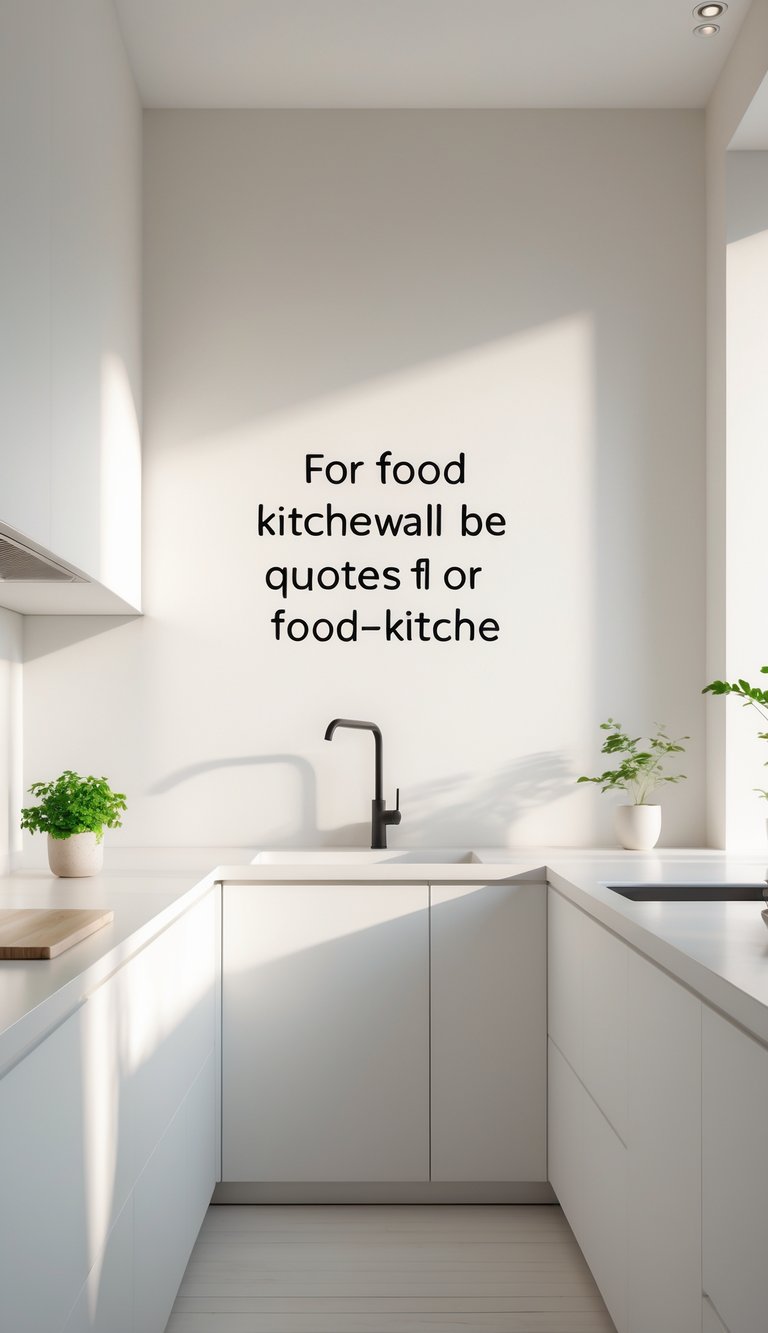
Try bold, simple type for a kitchen quote. Hang a framed line like “Eat well, live well” for a warm, friendly vibe.
Stick to black on white or muted colors so it fits any decor. Keep the words short and easy to read for a cozy touch.
Zen-inspired Japanese ceramic plate wall decor
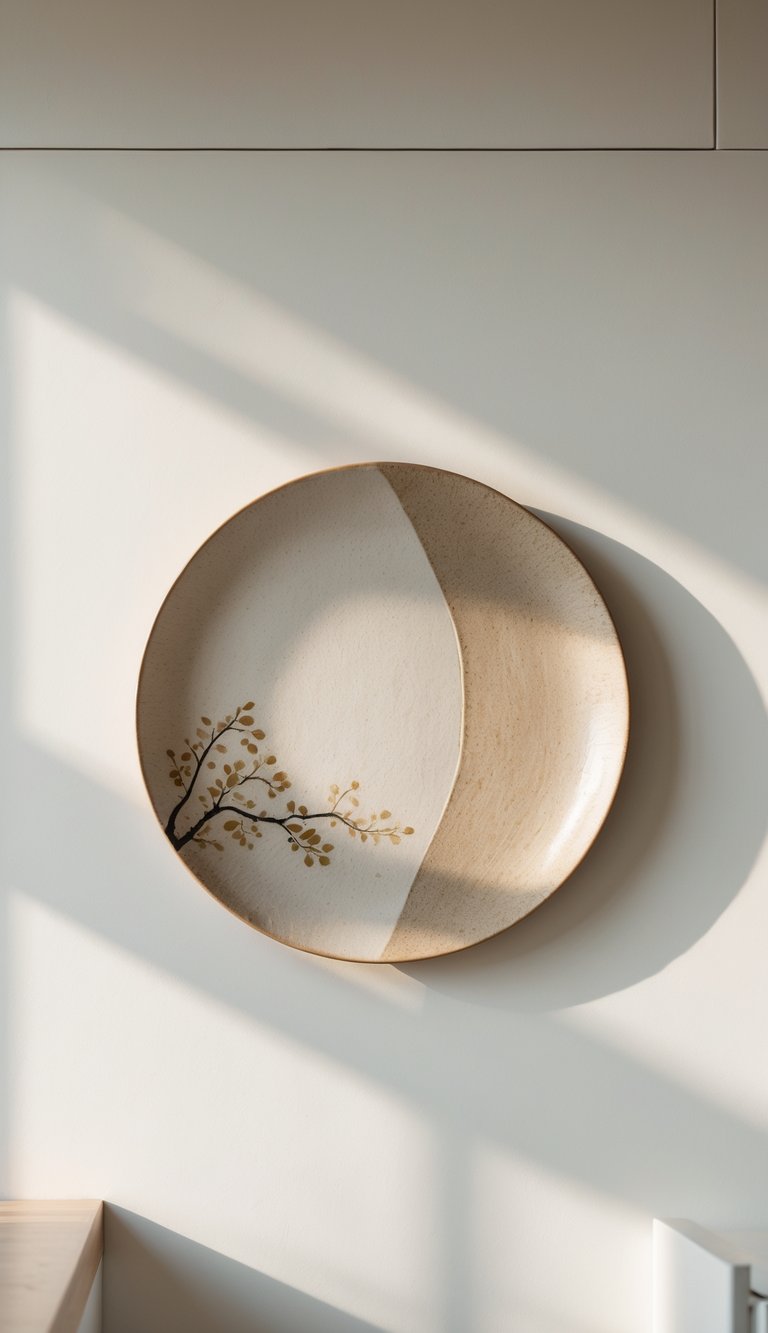
Pick simple ceramic plates with soft glazes and natural textures for a calm, zen feel. Hang one large plate or group a few small ones in an off-center layout for balance.
Keep plates at eye level and give them space. This look pairs well with wood shelves, neutral paint, and minimal clutter.
Neutral palette canvas with kitchen herbs
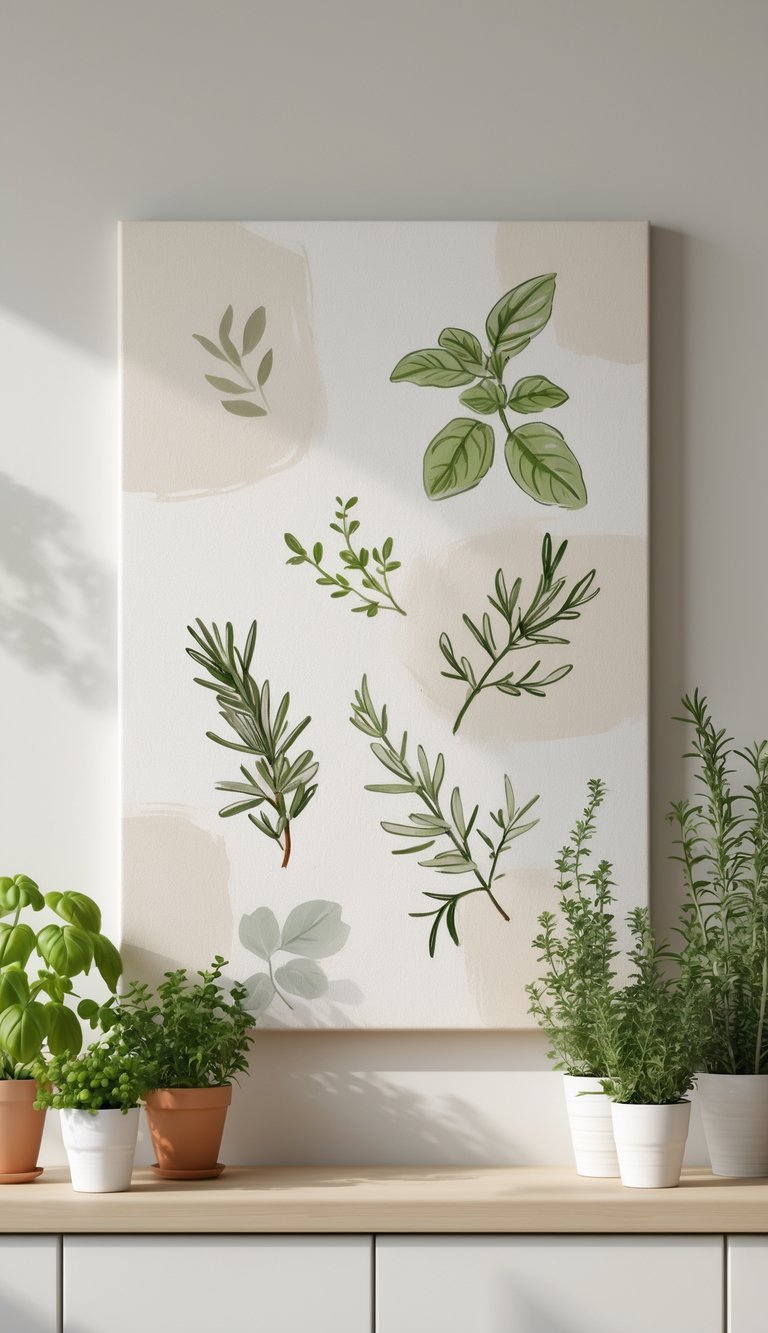
Go for a canvas in soft beige, cream, or pale gray to keep things calm. Pick simple herb illustrations—basil, rosemary, or thyme—in muted greens for a fresh, subtle look.
Hang one large print above a counter or a trio near your spice rack to tie the space together.
Watercolor lemon or citrus slices
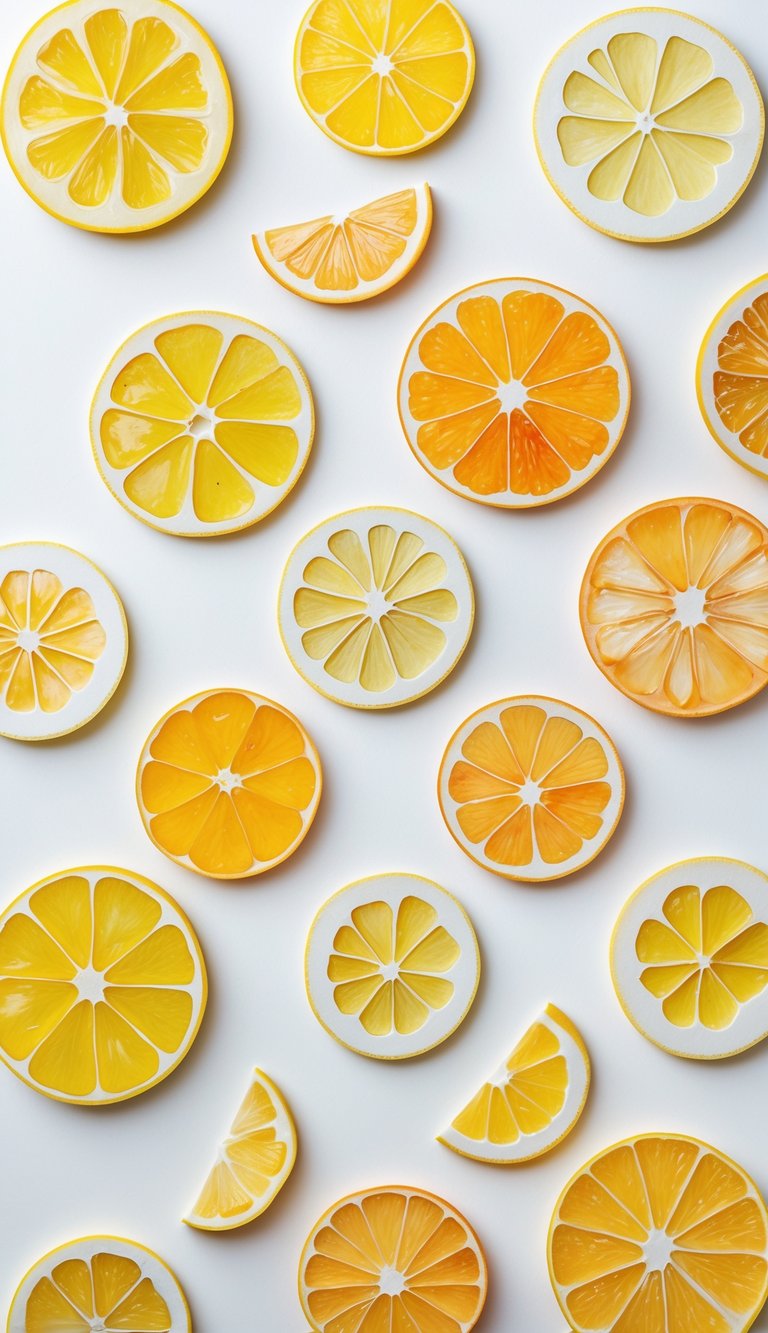
Try watercolor lemon or citrus slices for a fresh, simple touch. The soft colors and open space keep things light and modern.
Hang a single large print or a small gallery of slices for a bright focal point. These look great with white walls, wood accents, or pastel kitchen textiles.
Single-color silhouette of cookware
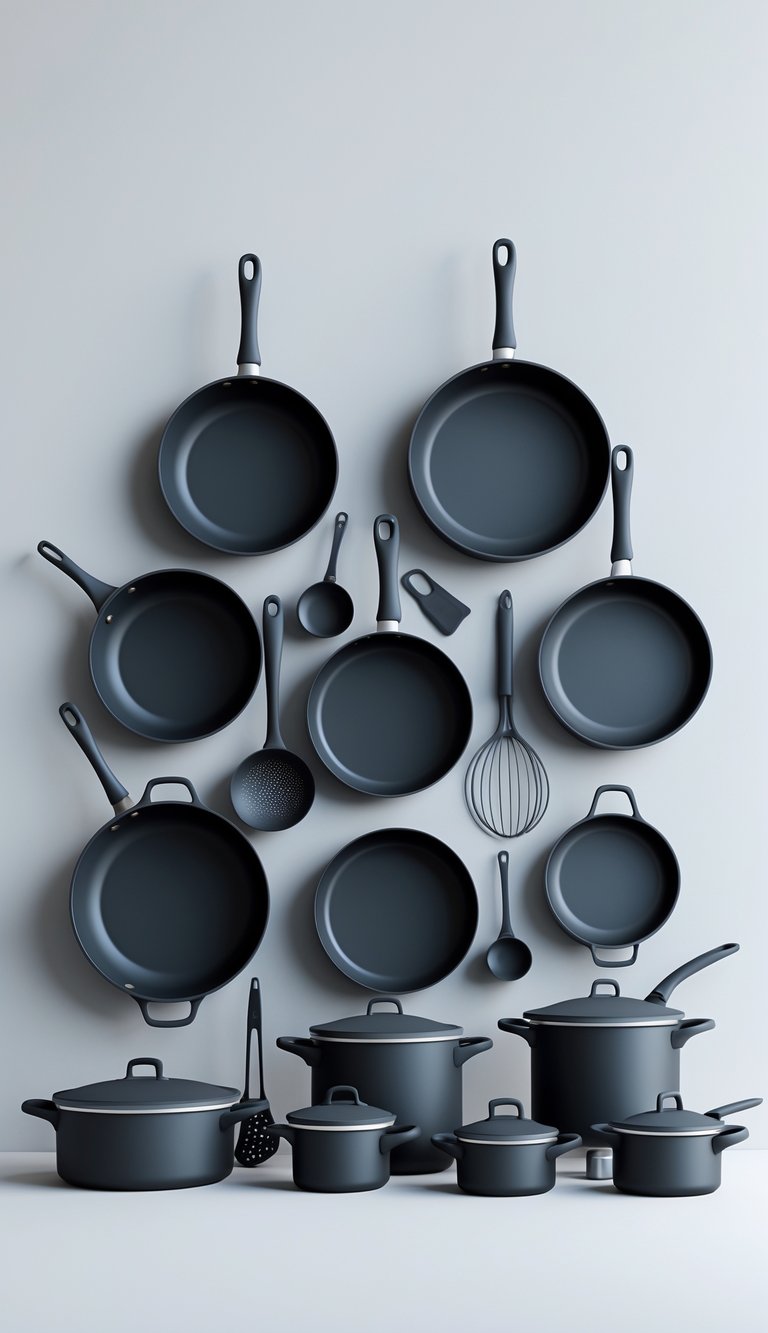
Pick one bold color for simple silhouettes of pots, pans, or mugs. This keeps your walls calm but adds a stylish focal point.
Hang a small set above a narrow shelf or near a prep area. The shapes read easily from across the room and tie into your kitchen’s palette.
Minimalist fruit and vegetable prints
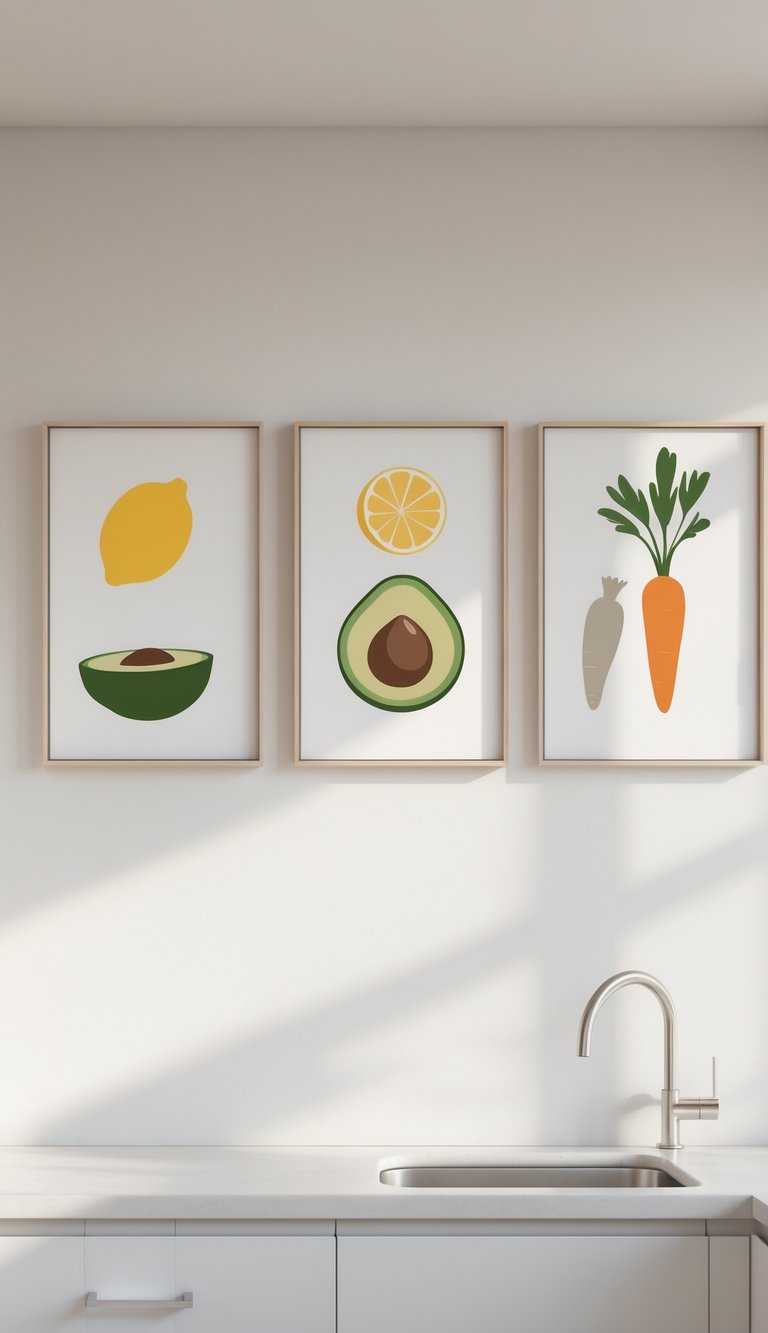
Simple prints of fruits or veggies add color without clutter. Go for bold shapes, single-line drawings, or flat-color pop art to match your style.
Hang one large print or a neat grid of three. These look good above a breakfast nook or near open shelves.
Modern calligraphy spice names
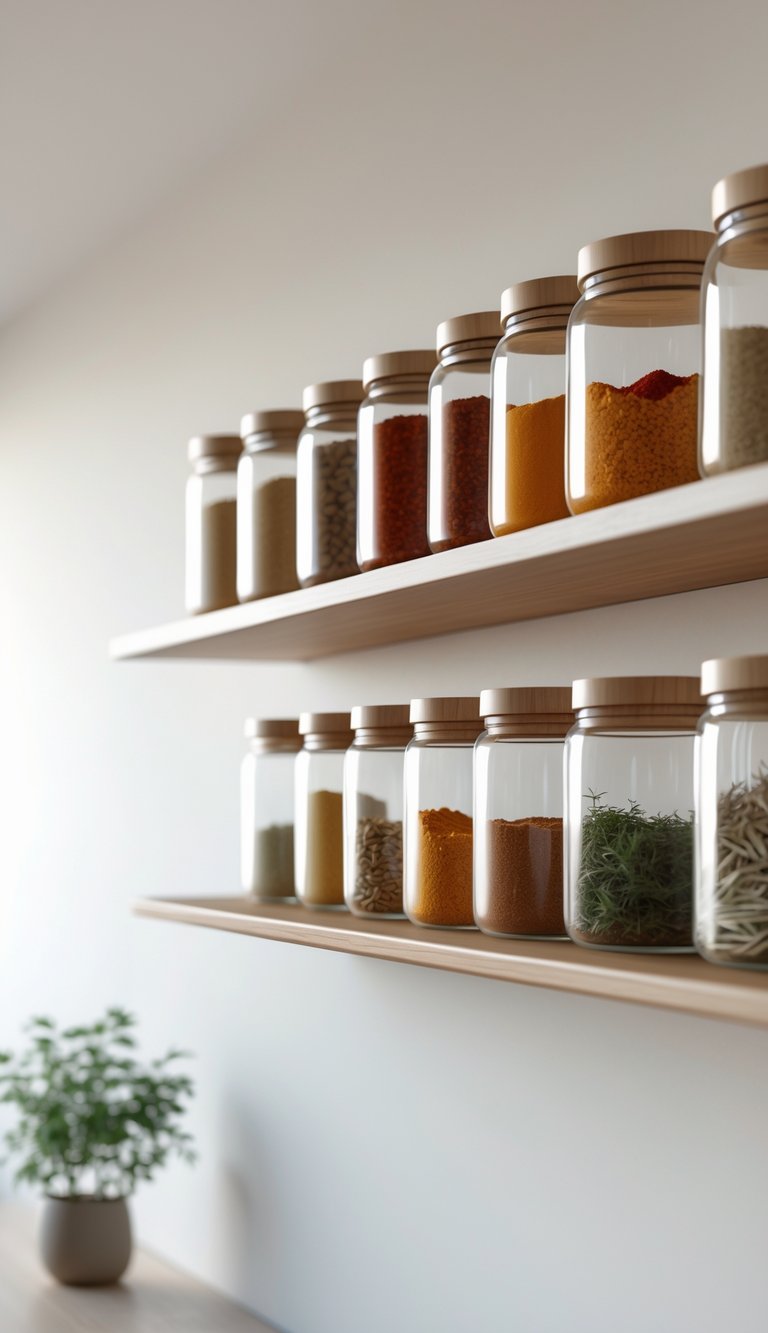
Use elegant calligraphy to label your spice jars or hang prints of spice names on the wall. The flowing script adds warmth and keeps things simple.
Choose a neutral background and just one or two ink colors for a modern feel. Mix large feature pieces with smaller labels for balance.
Hand-drawn simple teapot outlines
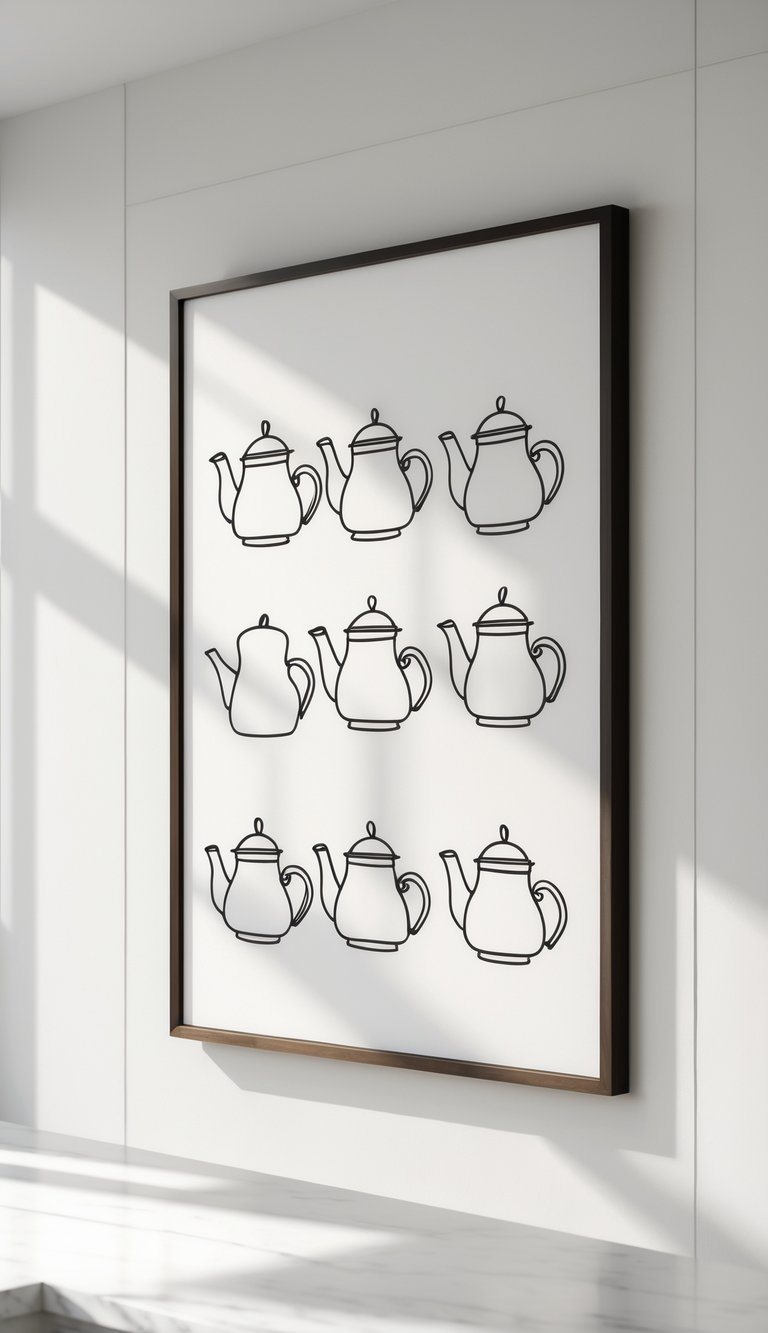
Add a bit of charm with a hand-drawn teapot outline on a plain background. The simple lines keep things calm but let your personality show.
Pick a single-color sketch or a splash of color on the lid. Frame it small for a shelf or go big above a breakfast nook to create a cozy focal point.
Tips for Choosing Minimalist Kitchen Wall Art
Match your art to the room’s colors. Pick pieces that fit the wall size and sightlines.
Focus on contrast, limited color groups, and simple placement. Aim for art that looks intentional, not cluttered.
Assessing Your Kitchen’s Color Palette
Start by looking at your main surfaces: cabinet color, countertop tone, and backsplash pattern. If your cabinets are white, try art with one bold color—matte black or deep blue can really pop.
For wood cabinets, softer neutrals or a single muted accent color help keep things warm and calm. Undertones matter too.
Cool gray countertops? Black-and-white or blue-toned prints usually work well. Warm beige or cream pairs better with earthy greens or terracotta accents.
Stick to two or three colors per piece, or things can get busy fast. I like to use paint chips or snap a quick phone photo to compare samples right on the wall.
Test small prints or unframed sheets first. The light shifts a lot during the day, so check how things look morning to night.
Selecting the Right Scale and Placement
Measure your wall area before you buy anything. A single piece should fill about 50–75% of the available wall width above a counter or table.
If you’re doing a gallery of small prints, group them close—within a unified frame margin—so they read as one object. Think about how far away you’ll view the art.
Art above a breakfast bar should sit at eye level, with the center about 60–66 inches from the floor. Over a sink or range, hang pieces higher to dodge splashes and heat.
Keep spacing consistent: 2–4 inches between small frames, 4–8 inches for bigger pieces. If you’re mixing sizes, align either the tops, bottoms, or centers for a tidy, minimalist look.
Styling and Maintenance Ideas
Keep art tidy and protected. Place it where it adds style but won’t get damaged.
Go for easy-clean materials and hang pieces at the right height. It’s smart to mix items that suit the room’s function.
How to Keep Wall Art Looking Fresh
Dust frames and canvases every week with a soft microfiber cloth. For glass frames, spray a little glass cleaner on the cloth—not directly on the glass—so liquid doesn’t seep into the frame.
Use a damp cloth on metal or sealed wood. Skip harsh cleaners that strip finishes.
Watch out for humidity and heat near stoves or dishwashers. Try to mount art at least 3–4 feet from cooking zones and 6–8 inches above backsplashes.
Use moisture-resistant frames or sealed prints in wetter areas like above the sink. Rotate pieces every few months if you can, just to cut down on sun fading.
If a spot gets blasted by direct sun, maybe add UV-protective film to the window or move that piece to a shadier wall. Repair minor chips with touch-up paint that matches the frame.
Give hanging hardware a quick check and tighten it up every few months. Replace wire hangers with sturdy D-rings and use wall anchors that match the art’s weight.
Mixing Art with Functional Decor
Pair art with functional items like narrow shelves, magnetic boards, or a wall-mounted spice rack. That way, you keep the wall useful and neat without giving up style.
Try placing a slim ledge shelf below a framed print. It’s a nice spot for a small plant or recipe card, and you won’t cover the artwork.
Pick frames that echo other metal finishes in your kitchen, like brass knobs, a black faucet, or stainless appliances. That little detail ties things together more than you’d think.
Use a basic checklist to plan where things go. Measure the wall width, mark the centerline at eye level (around 57–60 inches), and leave 2–4 inches between pieces if you’re grouping them.
When you mix things up, alternate textures. Maybe one framed print, then a wooden shelf, then a small metal hook—it keeps the wall interesting.
Keep functional pieces simple in color and shape so they don’t compete with your art. Go for washable surfaces on anything near food prep.
Label hooks or boards if you want to keep the area organized, but don’t overthink it. Sometimes a little imperfection feels more inviting anyway.