11 Kitchen Plants Decor Ideas To Freshen Up Your Space

Adding plants to your kitchen brings a fresh touch and a bit of nature into one of the busiest spaces in your home.
I’ve noticed that plants not only brighten things up but also make the kitchen feel more inviting and lively.
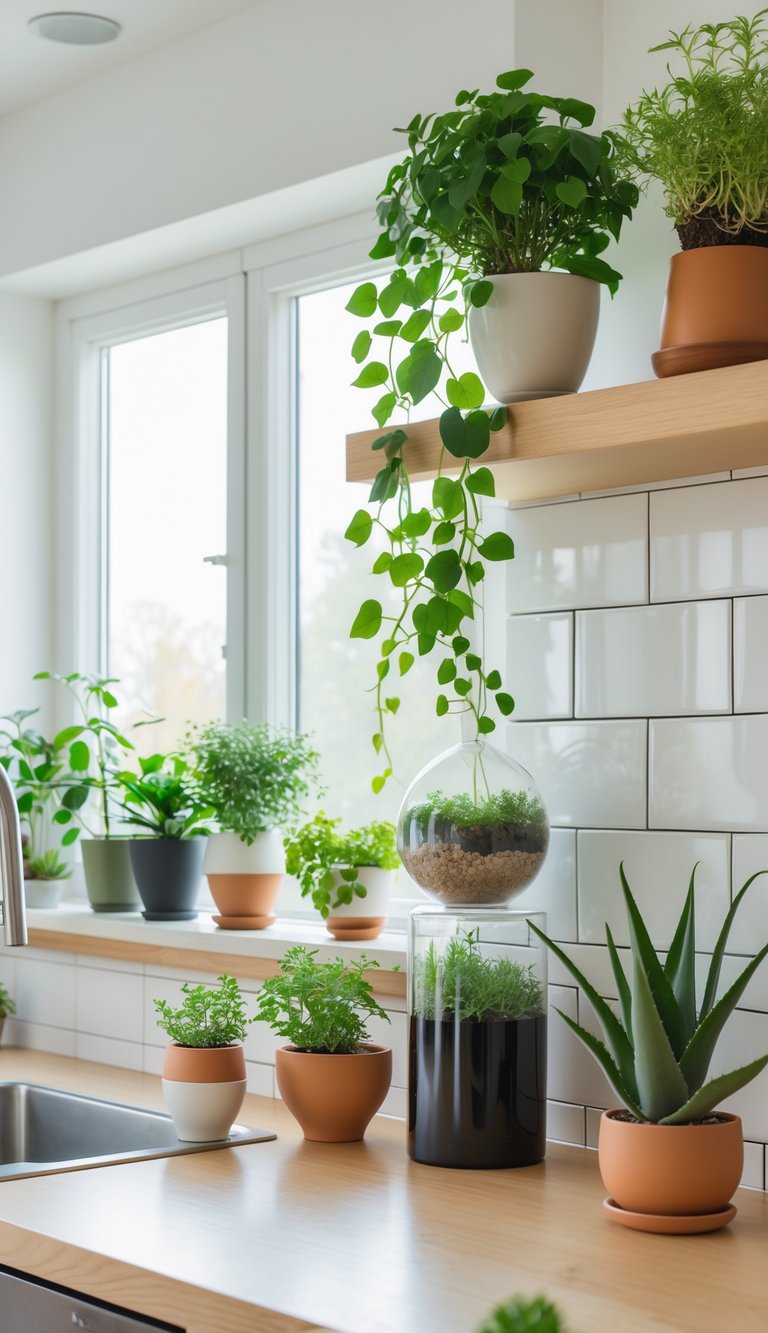
With the right plant choices and a few simple ideas, you can create a stylish, functional green space in your kitchen.
Whether you’ve got a tiny nook or a big countertop, there’s always a way to add some greenery that fits your style and needs.
Christmas & Year-End Deals On Amazon !
Don’t miss out on the best discounts and top-rated products available right now!
*As an Amazon Associate, I earn from qualifying purchases.
1) Herbs on Windowsill for Fresh Cooking

I keep herbs on my kitchen windowsill. They soak up the sunlight and grow well there.
It’s so easy to snip fresh leaves while I cook. Having herbs nearby saves me trips to the store and adds a bit of green to the kitchen.
I usually pick simple pots that fit the space and match my style. Nothing fancy—just what works.
2) Trailing Pothos Above the Sink

I like putting a trailing pothos above my kitchen sink. It brings a fresh, green vibe right where I spend a lot of time.
The vines hang down gently, making the space feel cozy and alive. Pothos is super easy to care for, so I don’t stress about it.
It grows well in indirect light, which fits perfectly near my window. Brightening up the kitchen doesn’t get much simpler.
3) Hanging Pots with Ivy or Aloe Vera

I use hanging pots with ivy or aloe vera in my kitchen. They save space and add a fresh, green touch above counters or windows.
Ivy’s trailing leaves give a soft, natural look. Aloe vera brings a bold, spiky shape that feels a bit modern.
Both plants are easy to care for, which is a relief in a busy kitchen. Hanging them keeps my surfaces clear and still lets me enjoy some greenery.
4) Potted Calathea with Large Leaves

I keep a potted Calathea with big, patterned leaves in my kitchen. It brings a fresh, tropical feel that really brightens things up.
The plant moves a bit, opening and closing its leaves each day. It’s like a tiny reminder of nature’s rhythm right where I cook.
It fits just right on a counter or windowsill. As long as I give it indirect light and regular water, it’s happy.
5) Decorative Ladder with Small Plants

I use a decorative ladder to show off my small plants. It adds a cozy touch and saves counter space.
The ladder holds little pots of herbs and succulents. It makes the kitchen feel fresh and lively, and I can move it easily when I need to clean.
Christmas & Year-End Deals On Amazon !
Don’t miss out on the best discounts and top-rated products available right now!
*As an Amazon Associate, I earn from qualifying purchases.
This setup gives each plant some space and lets me see them all at once. Simple, but stylish—I’m a fan.
6) Fiddle Leaf Fig in Kitchen Corner

A fiddle leaf fig in a bright kitchen corner just works. It adds a natural touch and some height without crowding the space.
The plant loves indirect light, so I keep it near a window. It softens the sharp lines of cabinets and countertops.
It gives the kitchen a lively, fresh feel. Just don’t forget to water it—these guys can be picky!
7) Floating Shelves with Cascading Vines

I use floating shelves to display plants in the kitchen. They save space and keep the walls looking clean.
I put vines on these shelves so they can hang down. The flow of greenery adds a soft touch to the room.
The shelves keep plants at eye level, which makes watering easy. It’s a nice way to bring life into a small kitchen without clutter.
8) Compact Succulents for Countertops

I like using compact succulents on my kitchen countertop. They don’t take up much room and bring in a splash of green.
Succulents come in all sorts of shapes and colors, so it’s easy to find some that fit my vibe. They need very little water, which is perfect for busy days.
9) DIY Wall-mounted Plant Gardens

Using wall space for plants is one of my favorite tricks. Making a DIY wall-mounted plant garden is easy and saves counter space.
I grow fresh herbs right on the wall. Sometimes I use small planter boxes or recycled wood panels for a rustic look.
I always check the wall type before hanging anything, just to make sure it’s secure. This way, my plants stay safe and the kitchen feels more alive.
Christmas & Year-End Deals On Amazon !
Don’t miss out on the best discounts and top-rated products available right now!
*As an Amazon Associate, I earn from qualifying purchases.
10) Small Potted Herbs like Basil and Mint

I keep small pots of herbs like basil and mint around. They add a pop of green and smell amazing while I’m cooking.
These herbs don’t need much space, so they fit perfectly on my windowsill or countertop. I love being able to snip fresh leaves whenever I want. It makes cooking feel a bit more special.
11) Climbing Plants on Kitchen Walls

I use climbing plants on my kitchen walls to add a green, fresh vibe. They bring life to empty spots and make things feel cozy.
Plants like ivy or pothos work well because they grow easily and don’t need much attention. Climbing plants also save space, which is always a win.
I hang small pots or use wall-mounted supports. Watching them grow adds a bit of nature to my daily routine.
Care Tips for Thriving Kitchen Plants

To keep kitchen plants happy, pay attention to light and water. The right soil and feeding routine help a lot, too.
Small tweaks here and there can make a big difference in how well your plants grow.
Light and Watering Essentials
Light is the most important thing for kitchen plants. I always try to match plants to the spot’s light level.
If your kitchen gets strong sunlight, herbs or succulents will do great. For low-light areas, snake plants and pothos are solid picks.
Watering depends on the plant. I check the soil before adding water—herbs like it moist, but succulents need to dry out between drinks.
Overwatering is a common problem, so I stay mindful of that. Roots don’t like soggy soil.
Humidity can be a bit tricky. Steam from cooking helps tropical plants, but dry air near vents means I sometimes use a spray bottle to mist the leaves.
Christmas & Year-End Deals On Amazon !
Don’t miss out on the best discounts and top-rated products available right now!
*As an Amazon Associate, I earn from qualifying purchases.
Soil and Fertilizer Recommendations
Good soil lets plants soak up nutrients and keeps roots happy. I usually go for well-draining potting mixes for most kitchen plants.
Succulents need a sandy or cactus mix. That way, water doesn’t just sit and cause trouble.
Fertilizing gives plants a little boost. I feed my kitchen plants with a balanced, water-soluble fertilizer every 4-6 weeks, mostly from spring to early fall.
Herbs seem to like a bit more nitrogen. It helps them stay green and full.
I skip fertilizer in winter since plants slow down then. Overdoing it can burn roots or make stems floppy.
I always mix fertilizer at half strength. It feels safer, and honestly, it works just fine.
Here’s a quick care chart I use:
| Plant Type | Soil Type | Watering | Fertilizer Schedule |
|---|---|---|---|
| Herbs | Regular potting mix | Keep moist | Every 4 weeks, half dose |
| Succulents | Cactus mix | Dry between water | Every 6 weeks, half dose |
| Tropical Plants | Moist, well-drained | Moderate | Every 4 weeks, half dose |
Arranging Plants for Maximum Impact
Want your kitchen plants to pop? Think about where you put them and how you mix up pots and planters. Playing around with placement can make the whole kitchen feel fresh, even if you don’t have a ton of space.
Choosing the right spots and containers can totally shift the vibe. It’s amazing what a few well-placed plants can do.
Placement for Small Spaces
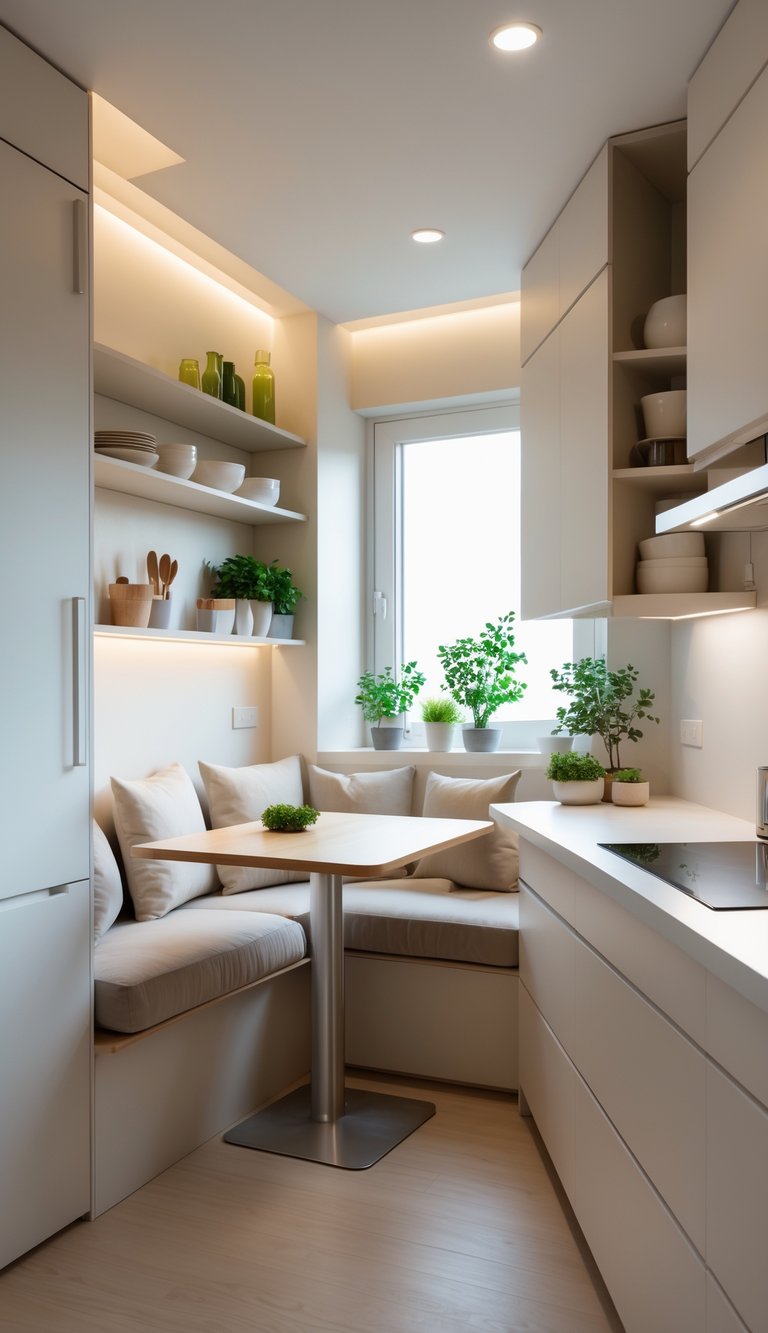
If you’ve got a small kitchen, every bit of space matters. I love using windowsills for herbs like basil or mint since they get sunlight and don’t hog the counter.
Hanging plants work well too. Hooks or wall-mounted planters keep things off your work surfaces, which is honestly a lifesaver sometimes.
Corners are perfect for bigger plants. They stay out of the way but still bring in some green.
Christmas & Year-End Deals On Amazon !
Don’t miss out on the best discounts and top-rated products available right now!
*As an Amazon Associate, I earn from qualifying purchases.
Shelves can hold small pots if you line them up neatly. The trick is to balance things so your kitchen stays open and easy to move around in—not a jungle or a cluttered mess.
Combining Pots and Planters for Style
Mixing different pot sizes and materials really makes a plant display pop. I love using a variety of ceramic, terracotta, and metal pots for extra texture.
You don’t need everything to match. Different colors and shapes can look great together, as long as they fit your kitchen’s vibe.
Try grouping plants of different heights for a layered effect. Put a tall plant next to a couple of smaller ones.
Sometimes I’ll add a colorful pot beside some simple ones for a little burst of color. Matching trays or stands can help keep everything tidy and make the group feel more intentional.