Is Fruit Platter a Dessert? Exploring Its Versatile Culinary Role

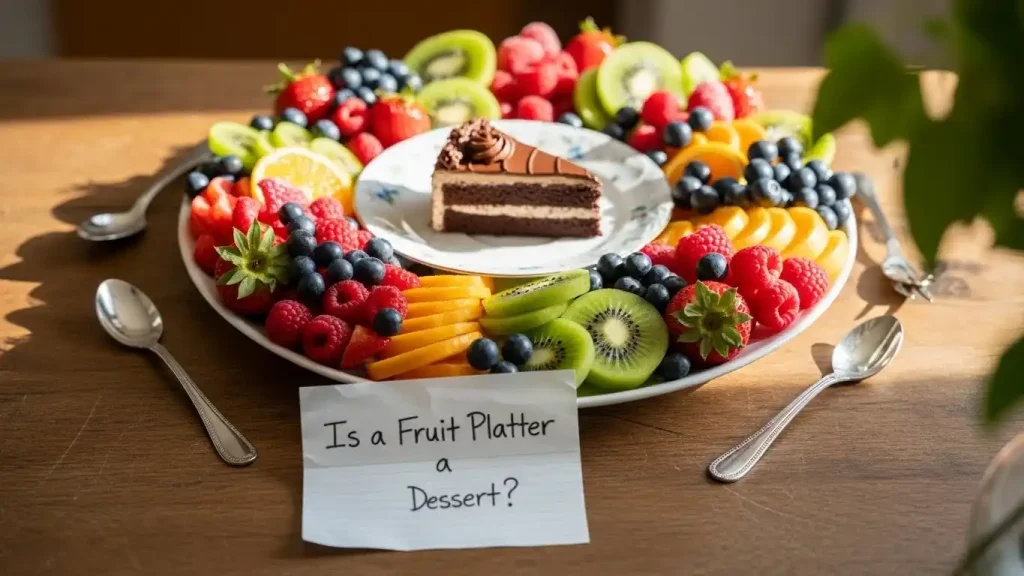
When planning a menu for any occasion, one question that often creates confusion is: is fruit platter a dessert? The answer isn’t as straightforward as you might think.
Fruit platters are wonderfully versatile and can serve multiple roles depending on the context, timing, and presentation.
This comprehensive guide explores the many ways fruit platters fit into meals and celebrations, from appetizers to desserts and everything in between.
The Versatility of Fruit Platters
A fruit platter is remarkably adaptable, which is precisely what makes it such a popular choice for events and gatherings.
Unlike more traditional desserts, fruit platters blur the lines between courses and can function in several different capacities within a meal or event structure (source: Dish Pairing).
The confusion surrounding whether is fruit platter a dessert arises because fruit can legitimately appear at multiple points in a meal.
In some culinary traditions, fruit is served as a palate cleanser between courses. In others, it’s presented as a light, refreshing dessert option.
And in still others, it serves as an appetizer that welcomes guests and sets a fresh, healthy tone for the gathering.
Fruit Platters as Desserts
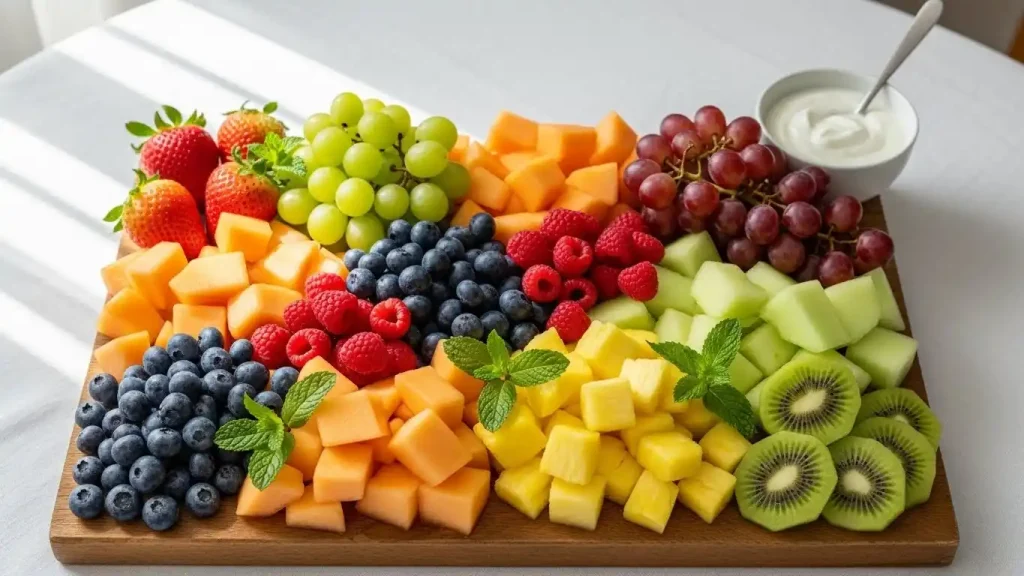
In many Western contexts, fruit platters do function as desserts, particularly in contemporary food culture where lighter, healthier sweet options are increasingly valued.
Serving a fruit platter as a dessert makes perfect sense for several reasons.
The Sugar Content Argument:
Fruits contain natural sugars, which means they satisfy the sweet craving associated with dessert.
When your guests are expecting something sweet to conclude a meal, a beautifully arranged fruit platter delivers that satisfaction without the heaviness of traditional cake or pastry-based desserts.
Health-Conscious Appeal:
Modern entertaining increasingly emphasizes health-conscious options.
A fruit platter offers a dessert alternative that’s naturally sweet, packed with vitamins and nutrients, and lower in calories than conventional desserts.
This makes it particularly popular at wellness-focused events, corporate gatherings, and celebrations where guests appreciate lighter options.
Elegant Presentation:
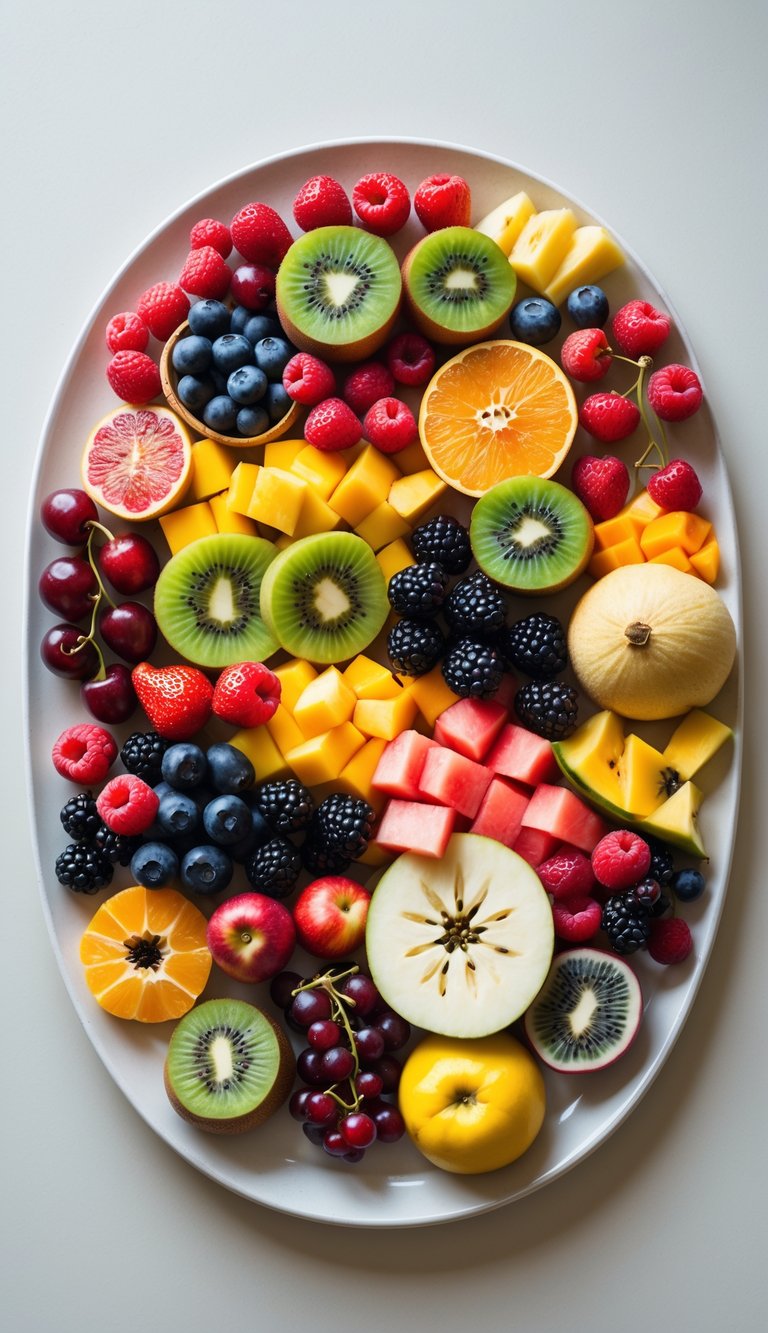
A well-arranged fruit platter can be just as visually impressive as a fancy cake.
The vibrant colors, varied textures, and artful arrangement create a stunning centerpiece that feels celebratory and special.
This visual appeal helps it function effectively as a dessert course.
Versatility with Additions:
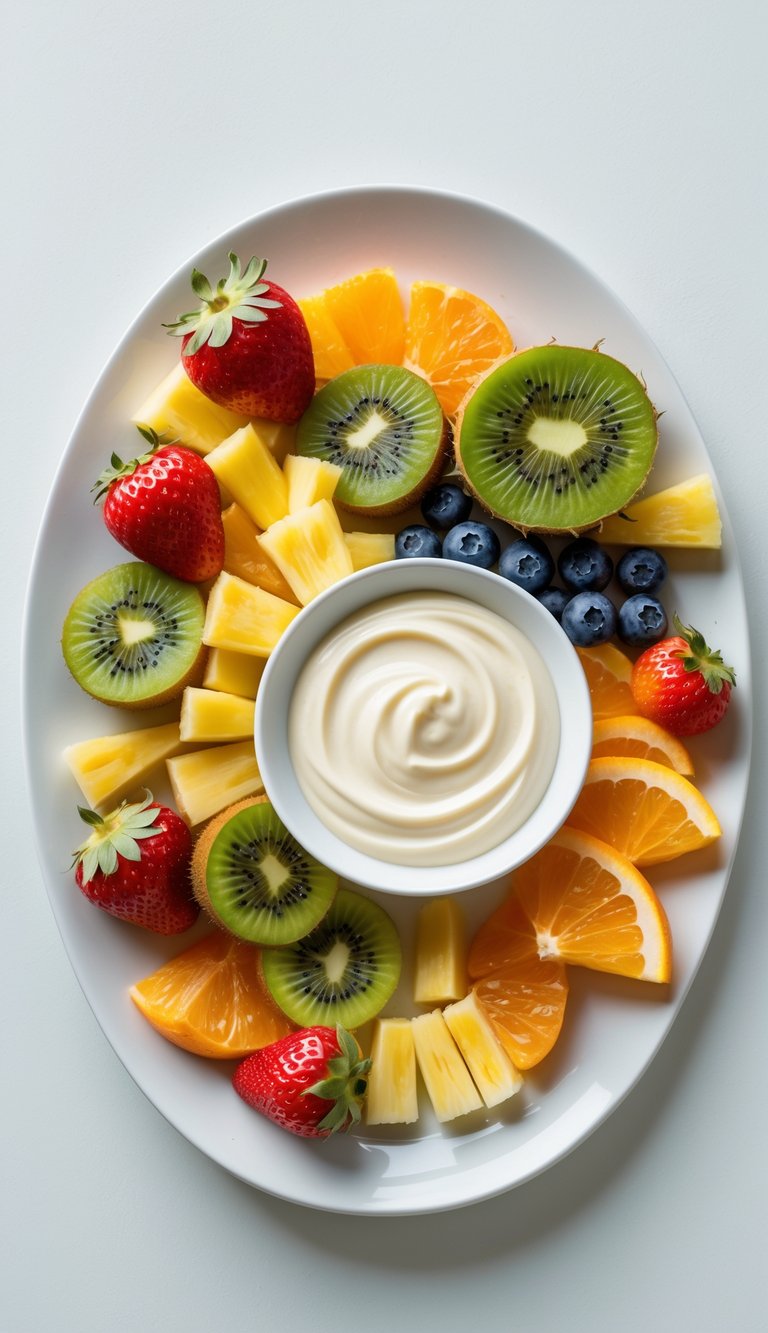
To enhance its dessert appeal, many hosts add accompanying elements like chocolate ganache for dipping, whipped cream, yogurt, or honey drizzle.
These additions make the fruit platter feel more indulgent and unmistakably dessert-like.
A glossy, indulgent coconut chocolate ganache, for instance, transforms a simple fruit platter into a sophisticated dessert (source: Simply Delicious).
Fruit Platters as Appetizers
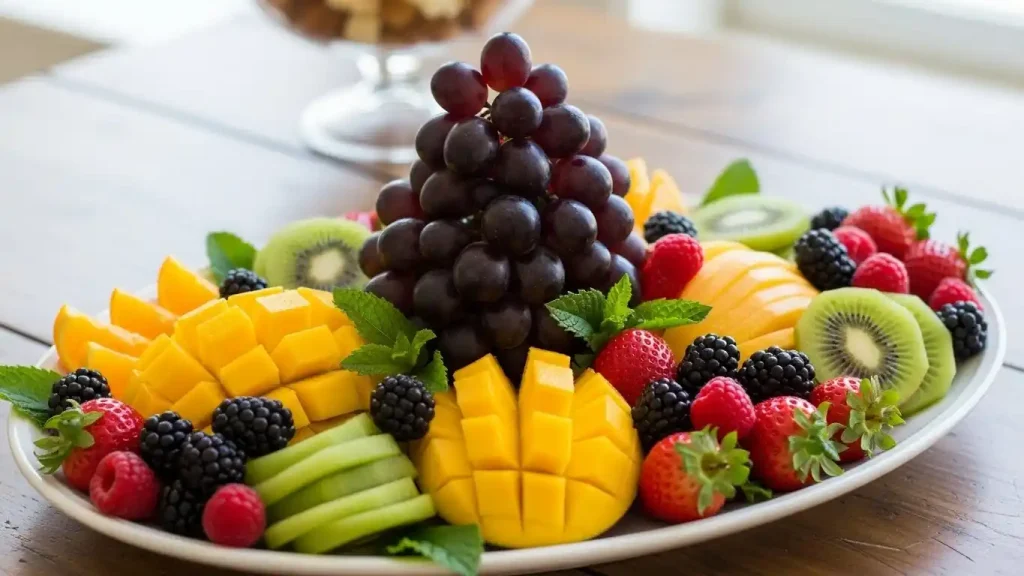
Equally valid is the use of fruit platters as appetizers.
In many catering scenarios and formal events, fruit trays serve as pre-meal offerings that welcome guests and stimulate appetite without overwhelming them before the main course.
Setting the Tone: A fresh fruit platter presented as guests arrive creates an inviting, health-conscious first impression. It signals that the event prioritizes quality and care in food preparation.
Light and Refreshing: Fruit is naturally hydrating and refreshing, making it an ideal appetizer that doesn’t sit too heavily in the stomach before the main meal. Guests can enjoy a few bites without feeling overly full before dinner is served.
Widely Accepted: Fruit as an appetizer is recognized and accepted in social settings and catering events worldwide. It’s culturally appropriate across diverse gatherings and doesn’t carry the same dietary restrictions concerns as some other appetizer options (source: Eating Choice).
Time-Efficient Service: As an appetizer, a fruit platter can be presented to standing guests who mingle and network. It doesn’t require seating or formal service protocols, making it practical for cocktail hours and reception-style events.
Fruit Platters as Snacks and Between-Course Options
Beyond the appetizer-dessert spectrum, fruit platters function beautifully as casual snacks or palate cleansers between courses.
Casual Entertaining: For informal gatherings, barbecues, picnics, and casual parties, a fruit platter serves as an easy, refreshing snack option that guests can enjoy throughout the event. It doesn’t require formal presentation or timing—it simply sits available for anyone who wants a bite.
Palate Cleansing: In multi-course meals, fruit can serve the traditional role of cleansing the palate between heavy courses. The natural acids and freshness of fruit help reset taste buds, preparing them for the next course.
All-Day Availability: For events lasting several hours, having fruit available throughout maintains guest satisfaction and energy levels. It’s perfect for afternoon events, open houses, or all-day celebrations where various food stations remain available.
Contextual Factors That Determine Function
Several elements influence whether a fruit platter functions as an appetizer, snack, or dessert at your specific event.
Timing and Meal Structure:
If your fruit platter appears at the beginning of a meal or before other food service, it’s functioning as an appetizer.
If it arrives after the main course and other dishes have been cleared, it’s functioning as a dessert.
Accompanying Foods:
What else are you serving? If the fruit platter is accompanied by cheese, crackers, and cured meats, it’s likely functioning as part of a snack or appetizer spread.
If it’s the final course offered after a full meal, it’s operating as dessert.
Presentation Style:
A casual arrangement of whole fruits and berries might read as a snack or appetizer.
A more elegant presentation with decorative cuts, complementary dips like chocolate or yogurt, and sophisticated plating reads more as a dessert course.
Event Type and Formality:
The nature of your event influences function too. A formal dinner might present fruit as a palate cleanser or light dessert.
A cocktail party might feature it as an appetizer. A casual backyard gathering might keep it out as an all-day snack option.
The Benefits of Fruit Platters Across All Roles
Regardless of when you serve a fruit platter, it offers consistent benefits that make it valuable at any point in a meal or event.
Dietary Inclusivity: Fruit accommodates virtually all dietary preferences and restrictions—vegan, vegetarian, gluten-free, kosher, halal, and allergen-conscious diets. This universal appeal makes fruit platters practical for diverse guest lists.
Easy Preparation: Compared to other appetizer or dessert options, fruit platters are relatively simple to prepare and require minimal cooking skills or special equipment.
Cost-Effective: Fruit, particularly seasonal varieties, is economical compared to many other appetizer and dessert options, making it budget-friendly for various event sizes.
Visual Impact: The natural colors and varied textures of fruit create visual interest and appeal without requiring advanced culinary skills or decorative expertise.
Creating Fruit Platters for Specific Roles
If you’re intentionally serving fruit as a specific course, certain strategies enhance its functionality in that role.
As Dessert:
Add complementary elements like chocolate ganache, whipped cream, or honey. Consider adding depth with nuts or granola.
Arrange it elegantly with attention to color and composition. Perhaps include small forks or dessert picks to make service feel more formal.
As Appetizer:
Keep pieces slightly smaller for easier finger-food consumption. Arrange it so guests can easily grab pieces while standing or mingling.
Avoid overly wet fruits that might drip on clothing. Consider pairing with light cheeses or crackers for a more substantial appetizer spread.
As All-Day Snack:
Keep fruits fresh by cutting closer to serving time or replenishing throughout the event.
Maintain a good mix of bite-sized pieces and larger chunks. Keep accompanying utensils and napkins readily available.
Final Answer: Is Fruit Platter a Dessert?
So, is fruit platter a dessert? The answer is: it can be. A fruit platter functions as a dessert when served after the main course, particularly when accompanied by sweet additions like chocolate or whipped cream.
However, it’s equally valid as an appetizer, snack, or palate cleanser depending on context and presentation.
The beauty of the fruit platter lies in this versatility. Whether you’re hosting a formal dinner, casual gathering, or special celebration, a well-prepared fruit platter adapts to your needs.
Rather than viewing it as strictly a dessert or strictly an appetizer, consider it a flexible, health-conscious food option that enhances any event.
By understanding how to position and present your fruit platter, you can leverage its versatility to create exactly the experience you want for your guests.
From elegant dessert courses to welcoming appetizers, fruit platters deliver consistently impressive results.