Indoor Kitchen Plants Ideas to Brighten and Freshen Your Space

Adding plants to your kitchen is a simple way to brighten up the space and make it feel more inviting.
Whether you have a big sunny window or just a tiny corner, you’ll find plenty of indoor plants that can thrive in your kitchen.
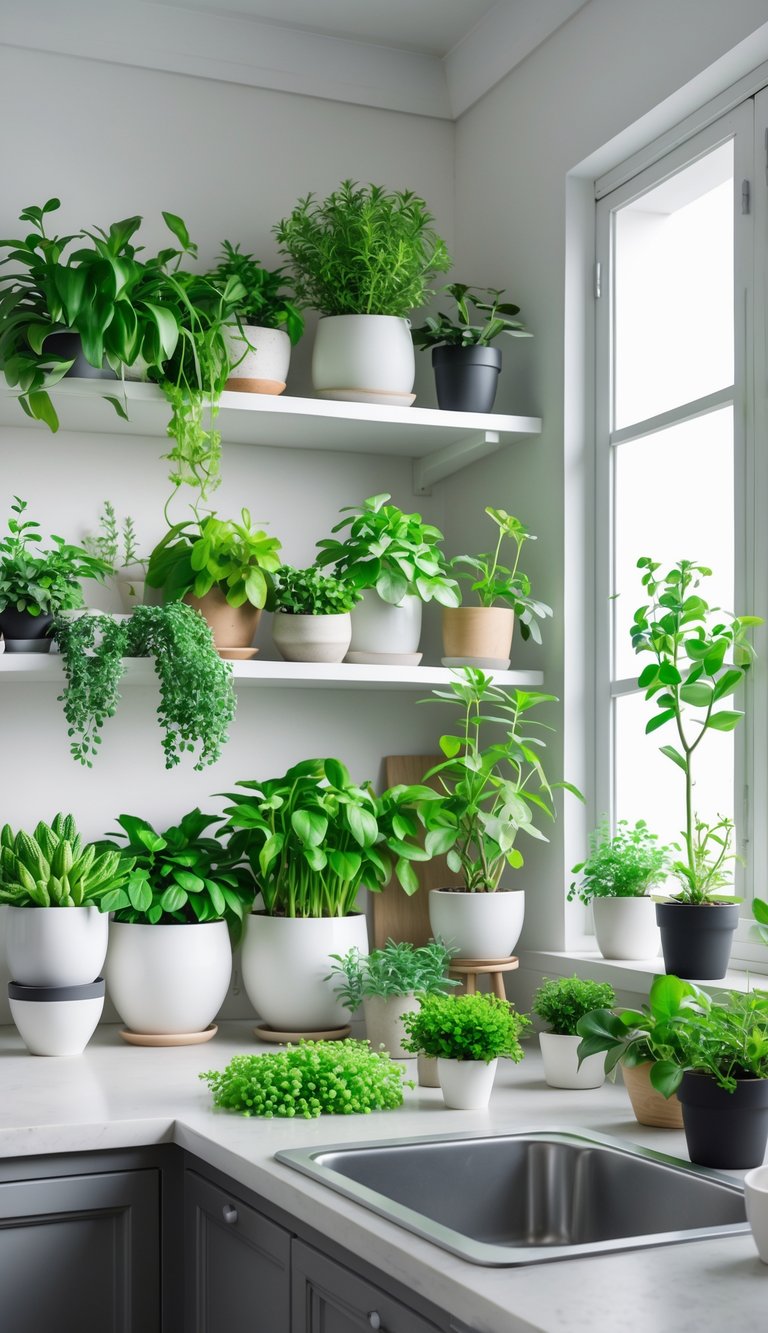
Pick the right indoor kitchen plants and you’ll get better air, more color, and maybe even fresh herbs or veggies to use while you cook.
With a little thought, you can create a lively green space that actually works for your kitchen.
1) Herb garden on windowsill
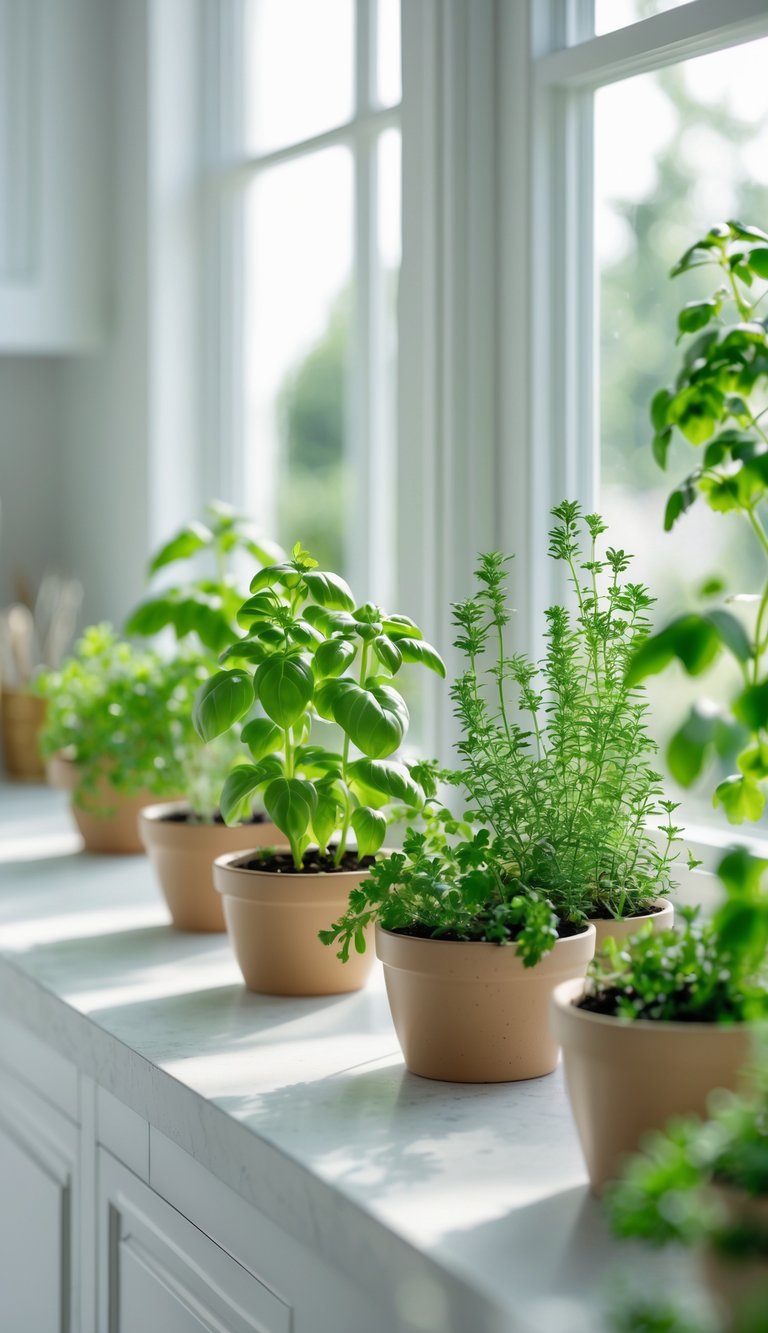
Try growing fresh herbs right on your kitchen windowsill. A sunny spot gives them the light they need.
Start with easy herbs like basil, parsley, or thyme. Small pots fit nicely on narrow ledges.
It’s handy to have herbs close by for cooking, and they add a little green charm. Water them regularly and you’ll see them flourish.
2) Hanging pothos planters
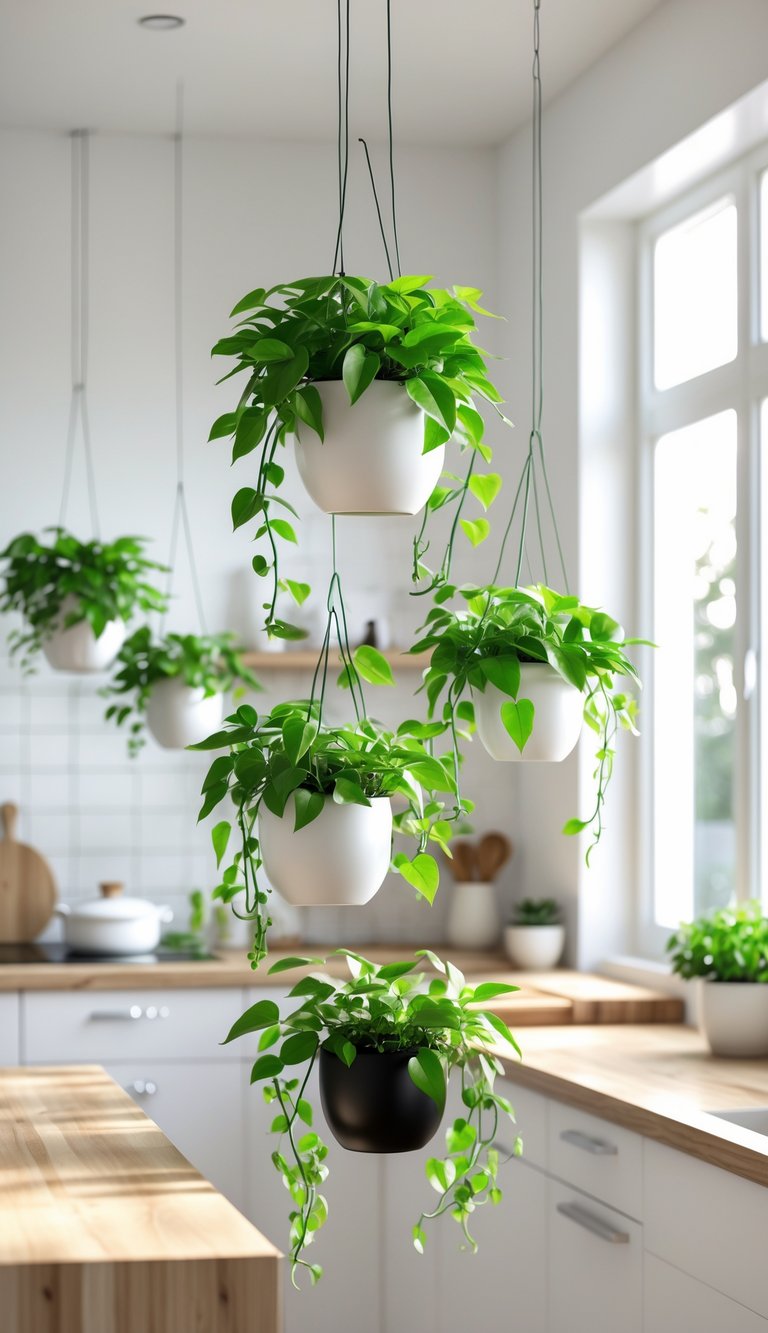
Hanging pothos planters bring green life to your kitchen without crowding your counters. Hang them near a window for the best light.
Pothos are super easy to care for, and their trailing vines look lively. Hanging planters also add a bit of style to almost any kitchen.
3) Aloe vera countertop pot
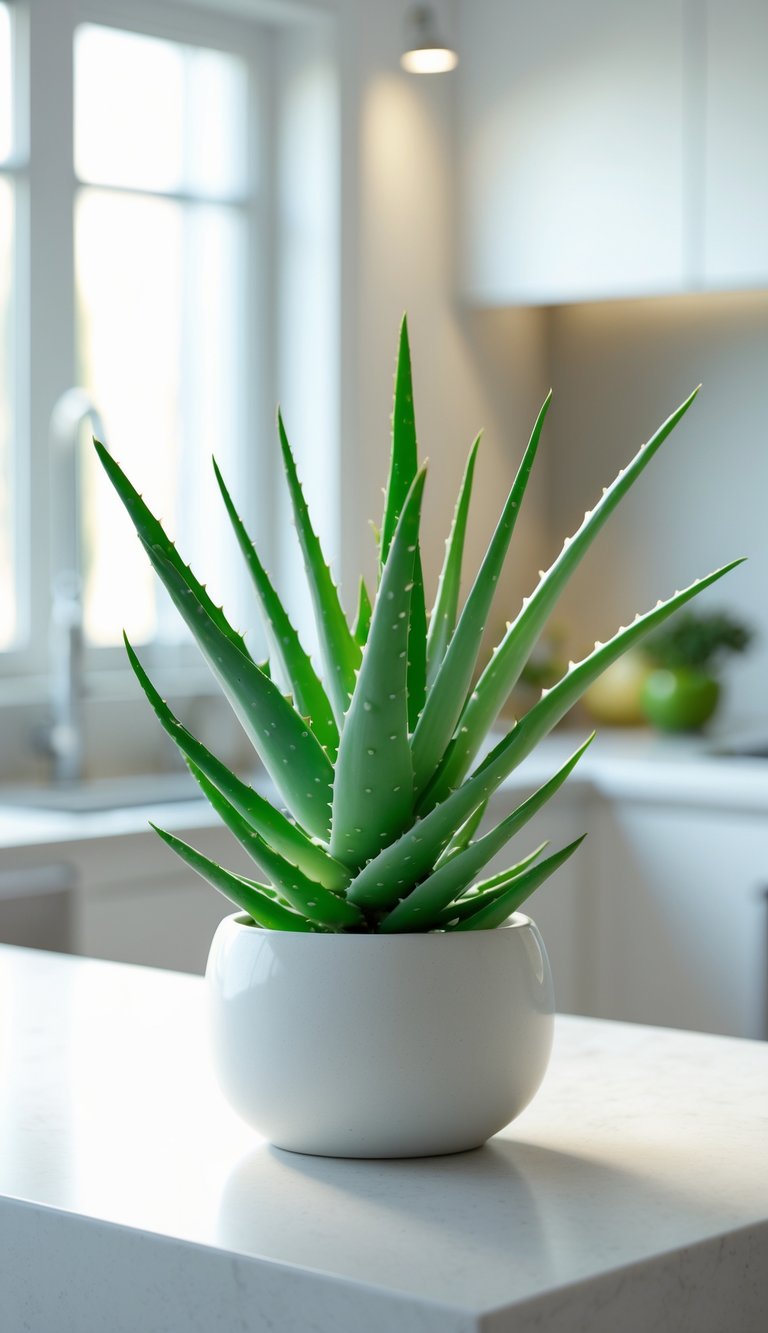
Brighten your kitchen with a small aloe vera plant right on the counter. Make sure the pot drains well to keep roots happy.
Aloe vera doesn’t need much from you—just some sunlight and the occasional drink. If you forget to water now and then, it’ll forgive you.
Set it near a window for enough light. Its bold, spiky leaves bring a modern vibe to the space.
4) Chive pots near stove
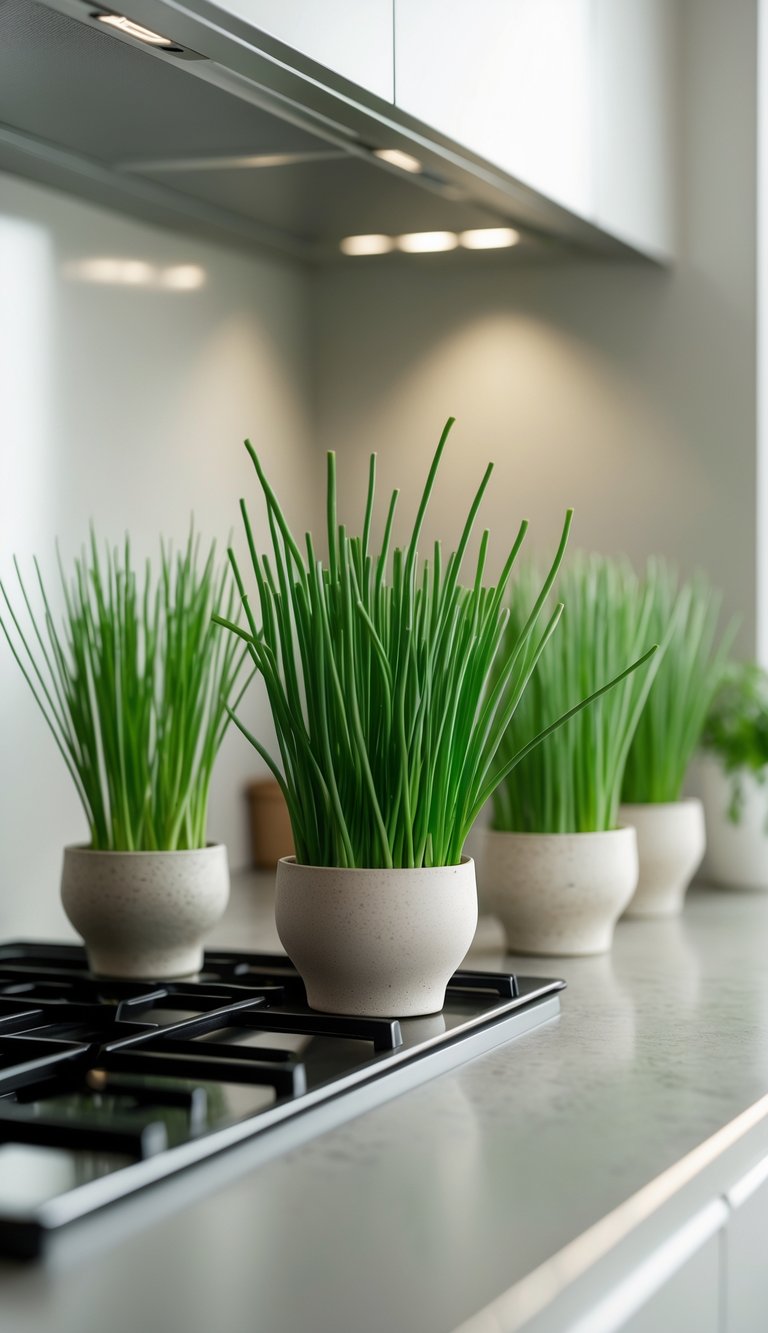
Put a couple chive pots near your stove for easy access while you cook. Chives give a gentle onion flavor that works in all kinds of dishes.
Set the pots where they’ll get sunlight, maybe on a windowsill close to your stove. Water them, but don’t go overboard, or they’ll get soggy.
5) Snake plant on kitchen shelf
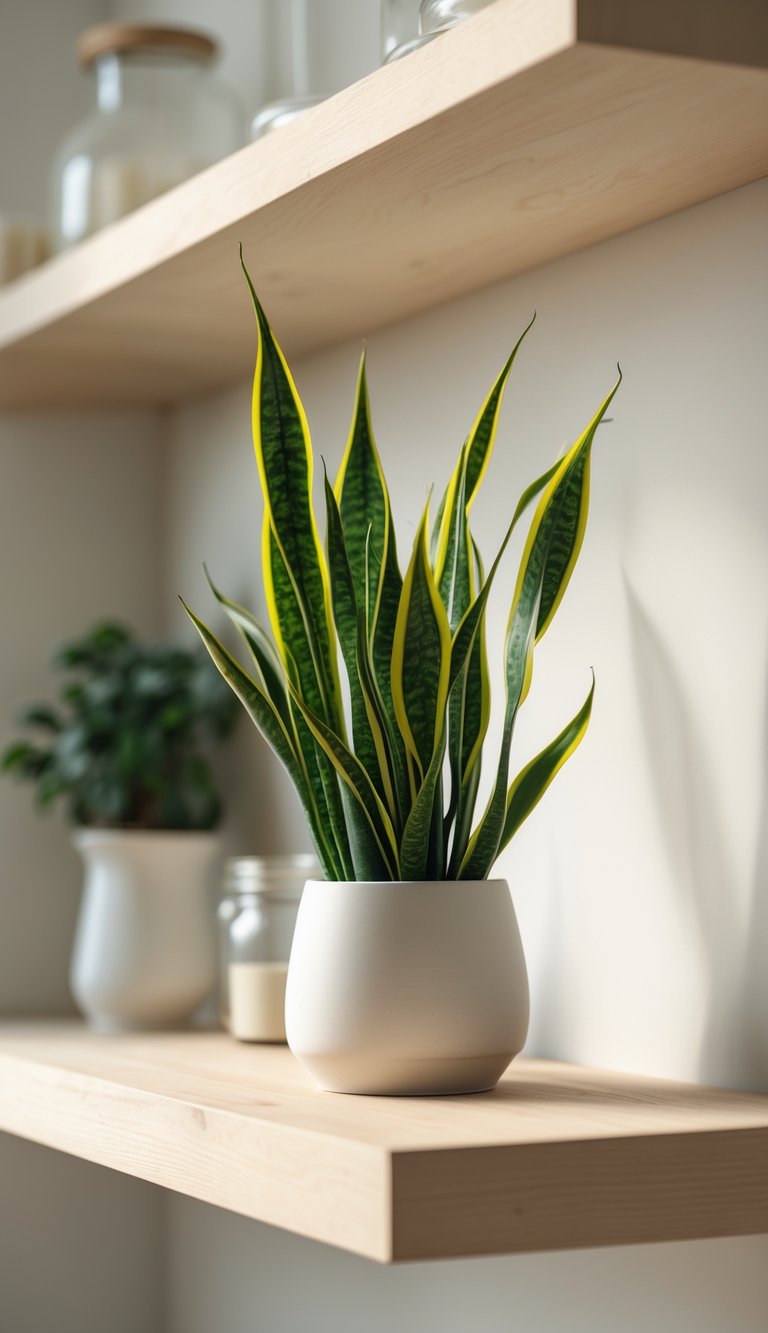
Stick a snake plant on a shelf to brighten things up. Its tall, sturdy leaves look sharp and don’t take much room.
You barely have to water snake plants, so they’re perfect for forgetful folks. Try pairing yours with cookbooks or a little decor for a cozy, natural corner.
6) Basil pots by sunny window
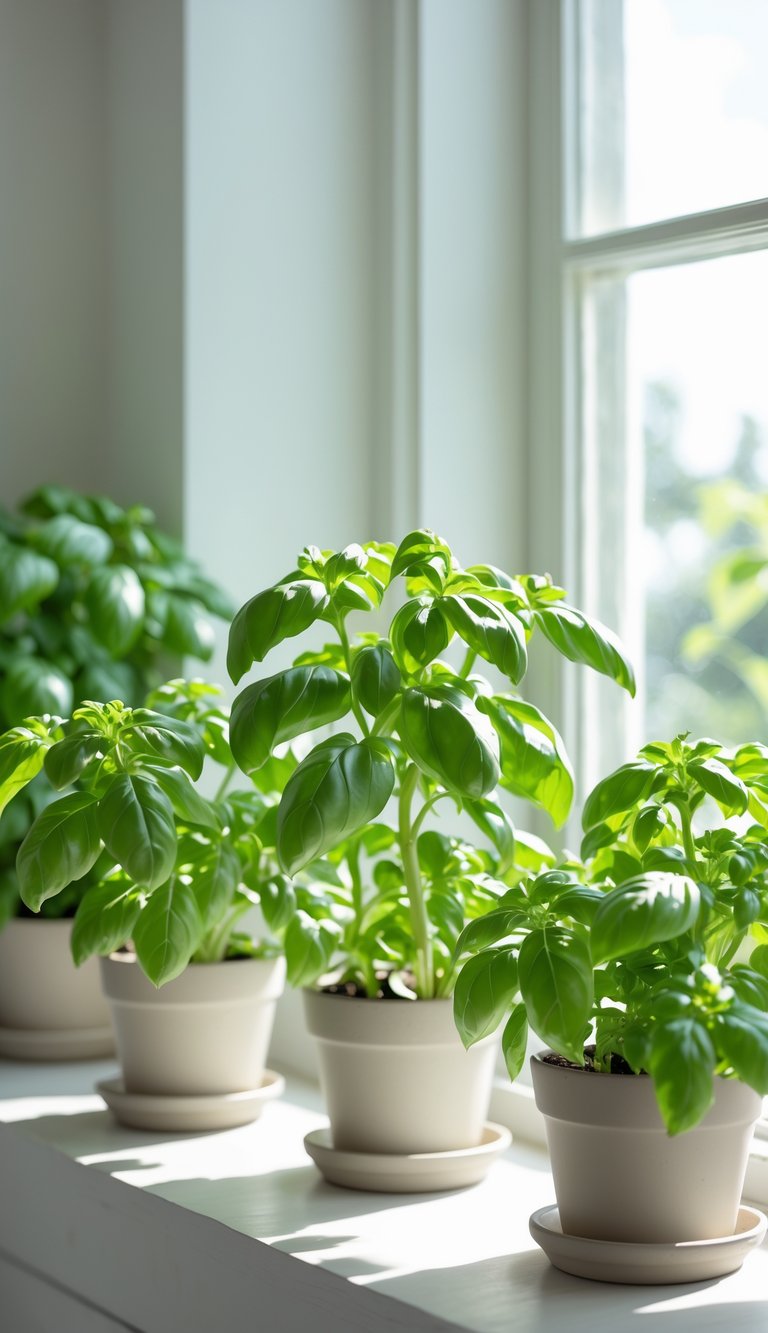
Grow basil in small pots by a sunny window. Basil loves about 6 hours of sunlight, so a south- or west-facing spot works best.
Keep the soil damp but not soaked. Pinch off leaves now and then to keep your plant bushy and get more fresh herbs for your meals.
7) Succulent terrarium centerpiece
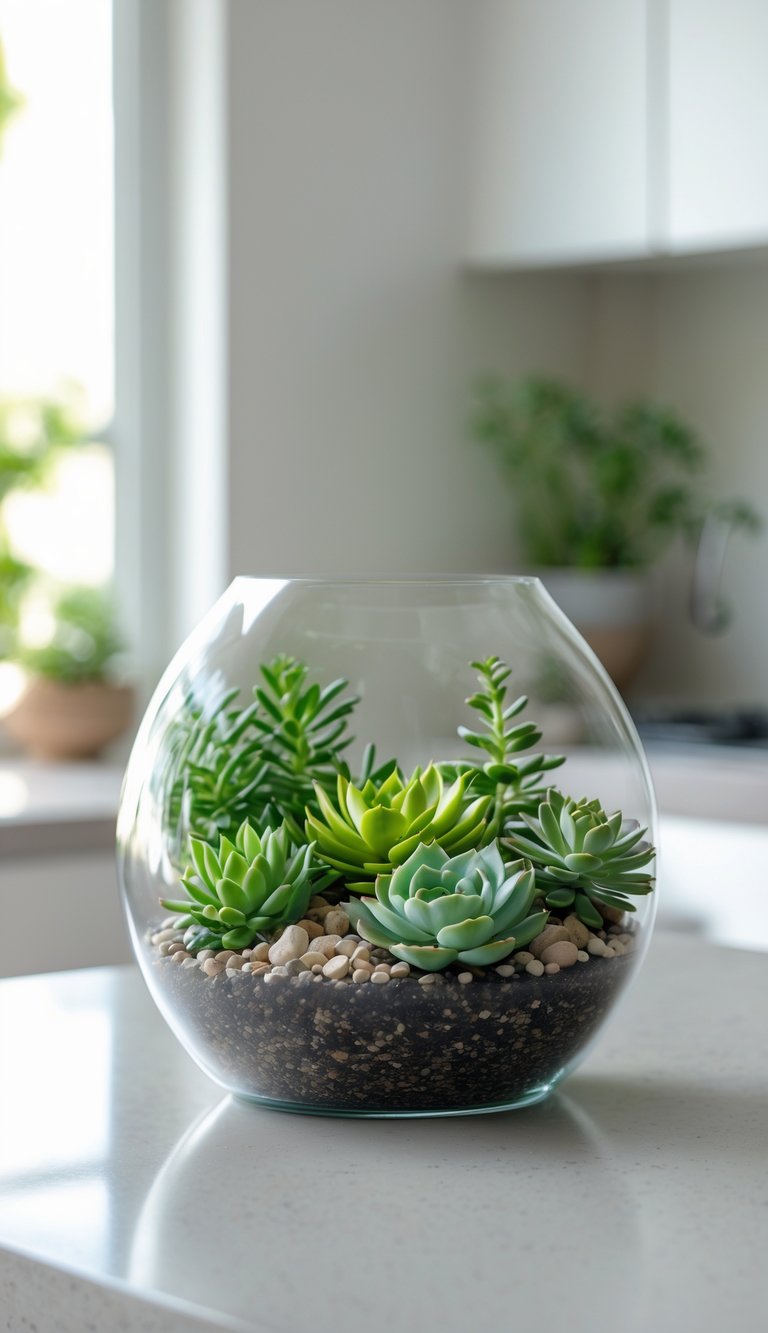
Create a cool succulent terrarium centerpiece for your table or counter. Use a clear glass container to show off the layers.
Pick different shapes and colors for some variety. Succulents need very little water, so they’re easy to keep alive, even if you’re busy.
8) Mint in small ceramic pots
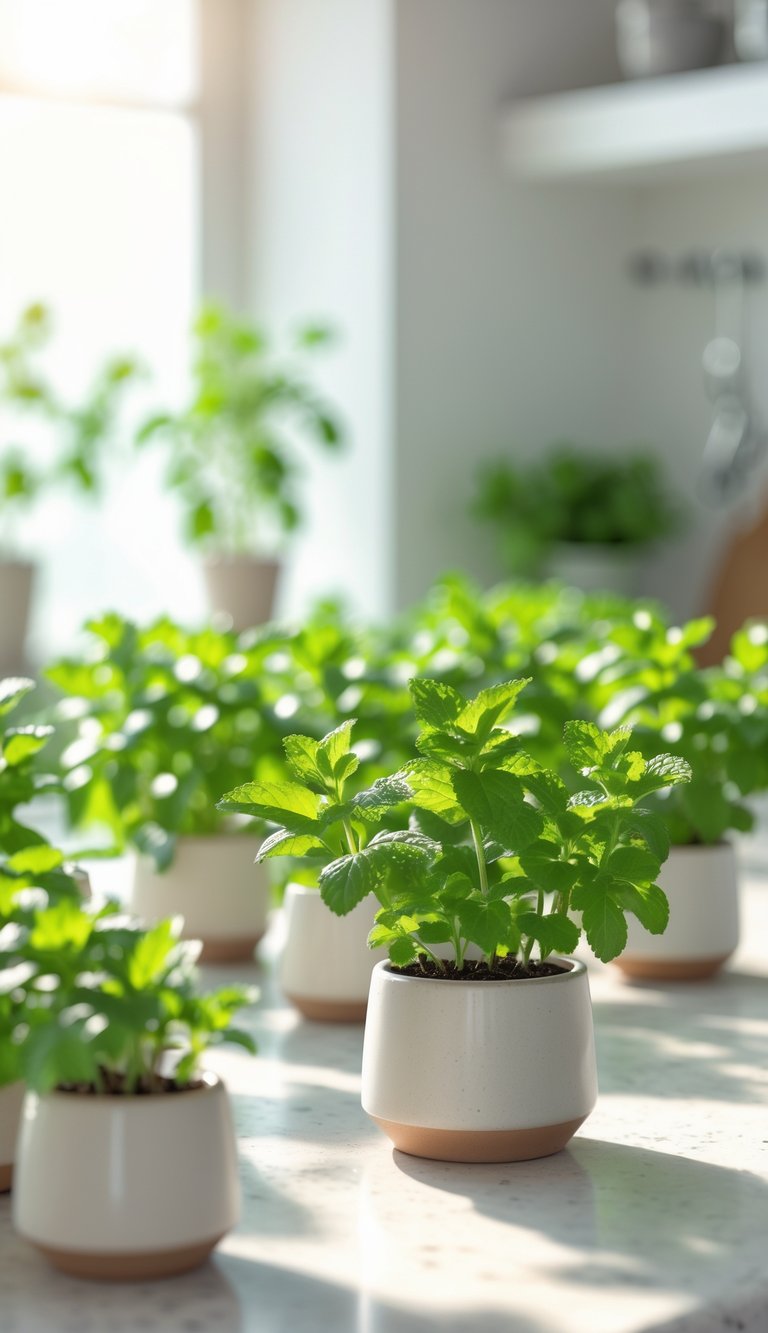
Grow mint in small ceramic pots on your windowsill. These pots keep mint from spreading everywhere.
Ceramic pots look nice and help keep the soil moist. Mint grows fast, smells amazing, and is perfect for drinks and recipes. Just make sure it gets light and don’t let the soil dry out.
9) Spider plant hanging basket
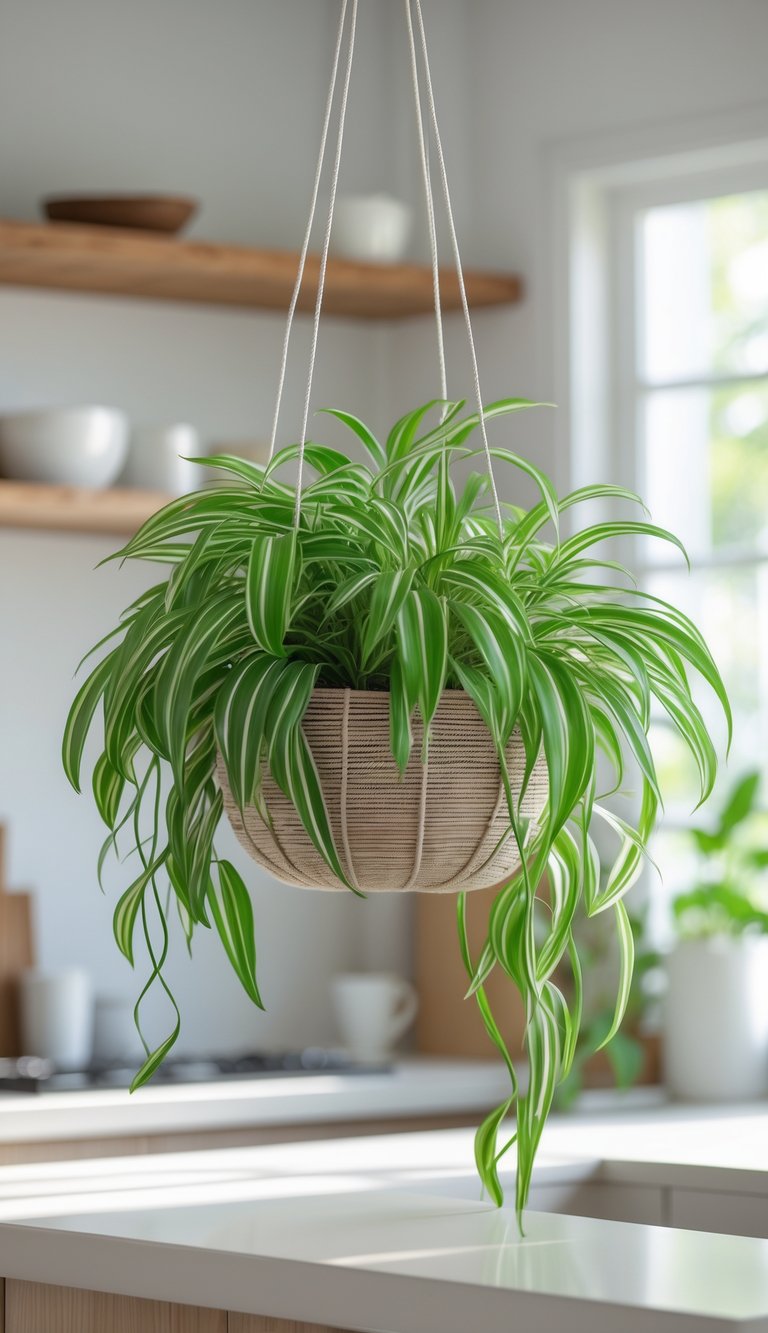
Hang a spider plant in a basket to liven up your kitchen. The long, arching leaves bring a soft, natural vibe.
Spider plants don’t ask for much—just some bright, indirect light. Hanging baskets also free up counter space and make a great green focal point.
Try hanging yours near a window so it gets gentle sunlight. It’s a quick way to add some life to the room.
10) Rosemary in glass jars
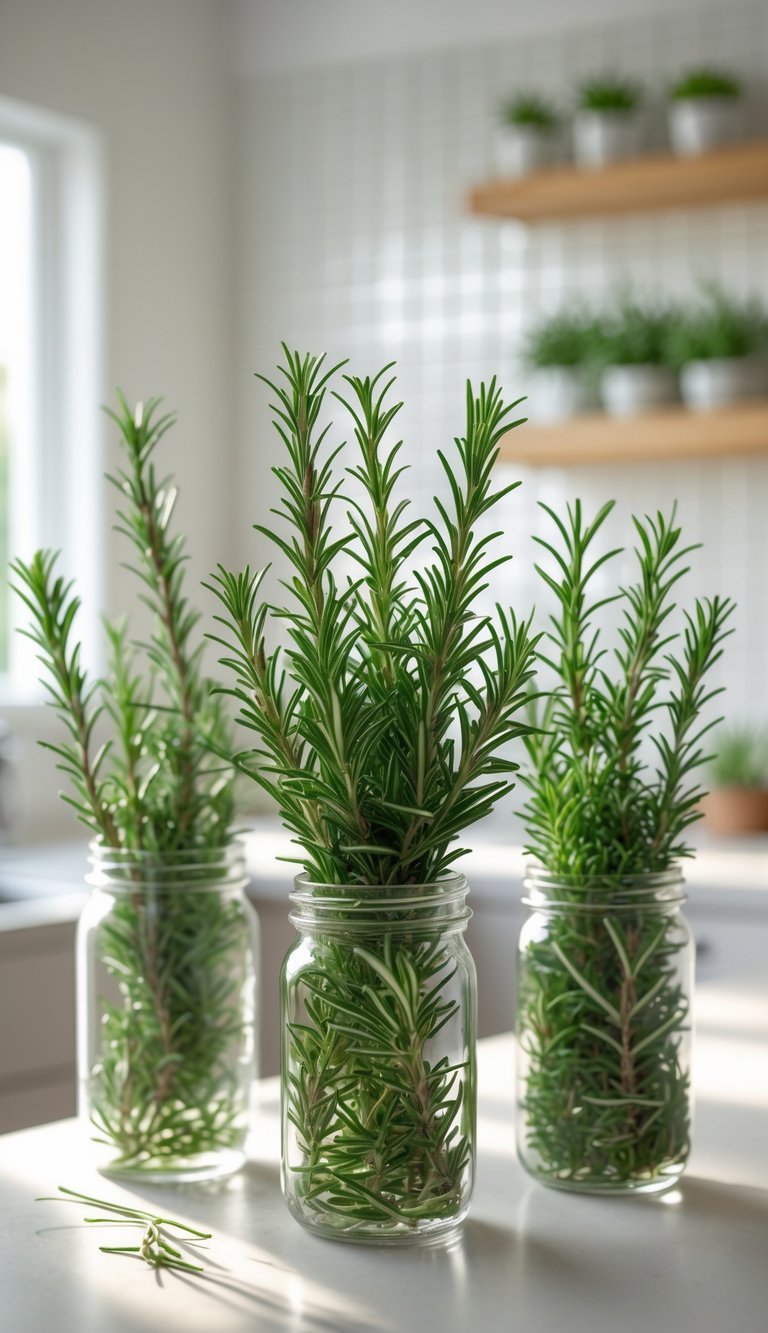
Grow rosemary in clear glass jars. You can see the roots, so it’s easy to check if the plant’s happy.
Put a layer of pebbles at the bottom to help with drainage. Set the jar on a sunny sill so your rosemary gets enough light.
This setup looks nice and gives you fresh rosemary for cooking, without taking up much space.
11) Begonia on kitchen table
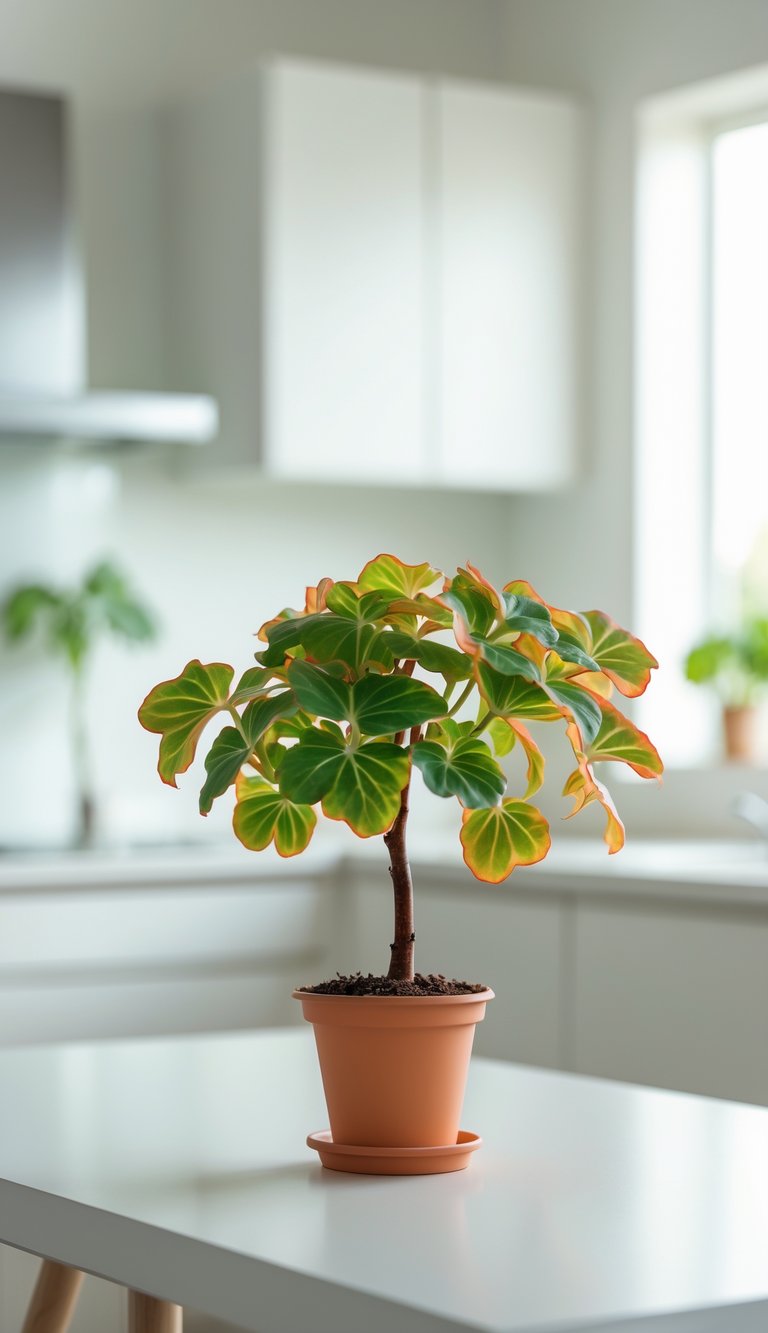
Put a begonia on your kitchen table for a cheerful touch. These plants have colorful leaves and flowers that really pop.
Begonias don’t need tons of sun, so they’re happy in most indoor spots. Just water them when the soil dries out.
12) Parsley in recycled containers
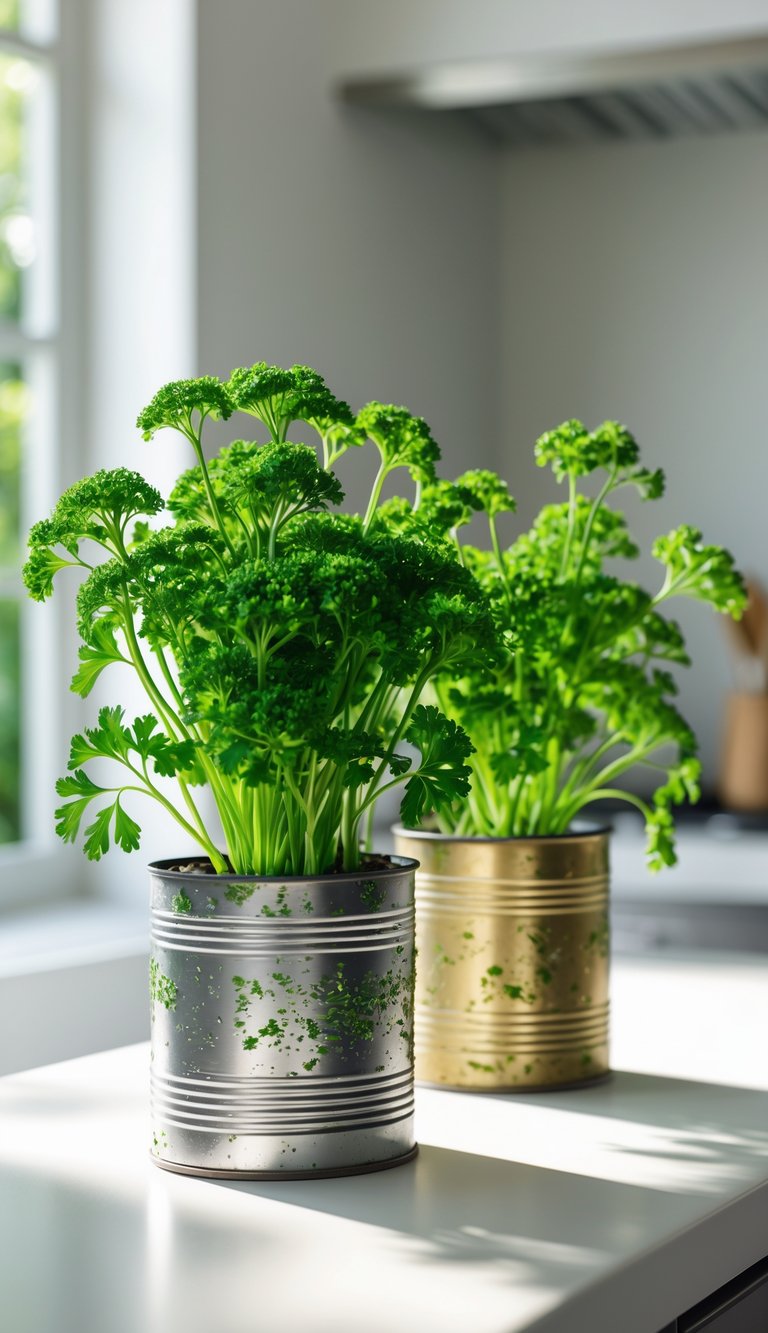
Grow parsley in recycled containers like old jars, cans, or plastic pots. It’s a fun way to reuse stuff you’d otherwise toss.
Make a few holes for drainage so the roots don’t get soggy. Parsley does fine in small spaces and likes a bit of sunlight near your window.
With just a little care, you’ll have fresh, green leaves for your meals. Plus, it’s an easy eco-friendly project.
13) Lavender in bright pots
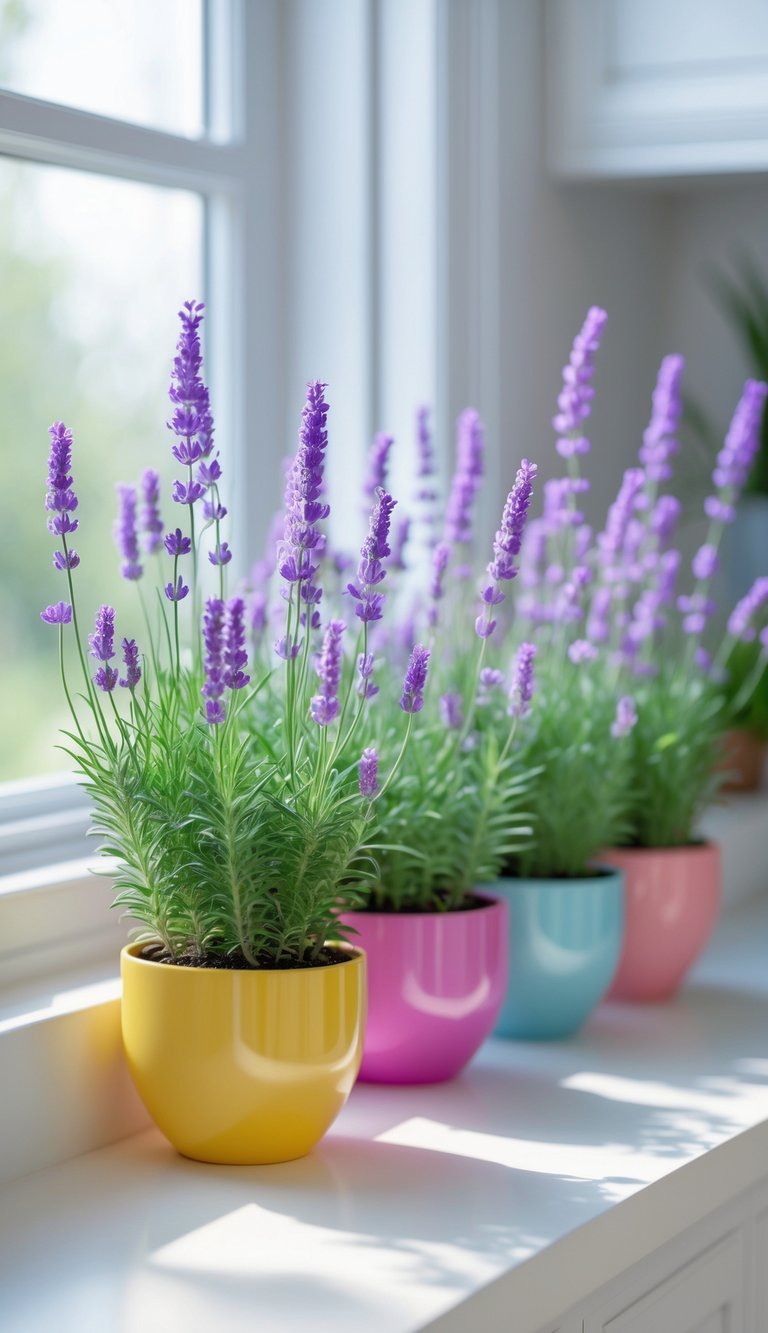
Lavender loves sun, so put it near a bright kitchen window. Aim for 6-8 hours of direct light if you can swing it.
Pick colorful pots to make your lavender pop. Go for a compact type like English lavender for indoors. It needs well-drained soil and just a bit of water here and there.
With a good spot and some care, your lavender will bring a sweet scent and a burst of color to your kitchen.
Caring for Indoor Kitchen Plants
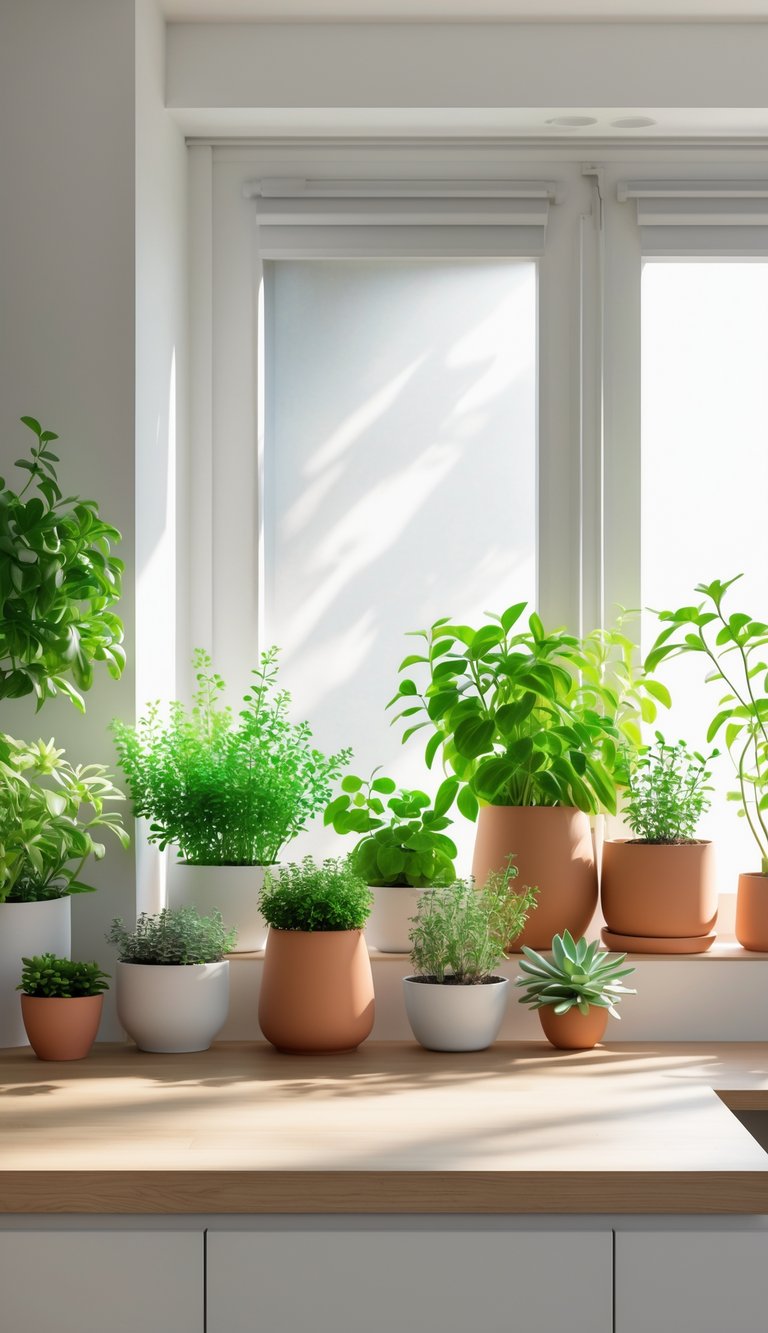
Indoor kitchen plants need the right mix of light, water, temperature, and humidity to really thrive. Paying attention to these things keeps your plants healthy and makes your kitchen feel more welcoming.
Even small tweaks in how you care for them can make a big difference over time. It’s worth experimenting a bit to see what works best in your space.
Lighting Tips for Kitchens
Most kitchen plants really love bright, indirect light. South or east-facing windows usually work best since they offer lots of gentle sunlight without blasting your plants with harsh rays.
If your kitchen doesn’t get much natural light, try putting plants near a window where they’ll catch some daylight but not get scorched. Direct sun can actually burn leaves, so it’s good to avoid that.
When natural light is low, you might want to try artificial grow lights. LED lights made for plants do the trick and don’t heat up your space.
Keep them on for about 12-16 hours a day if you’re using grow lights. Give your plants a little spin every now and then so all sides get their share of light—otherwise, they’ll start leaning and looking a bit lopsided.
Watering Best Practices
How much you water depends on the plant, the pot, and even your kitchen’s climate. As a rule of thumb, water when the top inch of soil feels dry—just poke your finger in to check.
Overwatering is a common mistake and can rot the roots, so always use pots with drainage holes. Some herbs like steady moisture, but succulents or aloe vera would rather dry out a bit between drinks.
Room-temperature water is best; cold water can shock roots. If you start seeing yellow leaves or the soil looks soggy, ease up on watering and let the dirt dry out more before the next round.
Dealing With Humidity and Temperature
Kitchens get humid from all the cooking, and honestly, a lot of plants love that. But too much can mean mold or pests show up, which nobody wants.
To keep things balanced, open a window while you cook or run a small fan for some airflow. If your kitchen feels dry, set out a tray of water near your plants or mist the leaves now and then—simple fixes that help a lot.
Most kitchen plants do well between 65°F and 75°F (18°C to 24°C). Try not to put them right next to ovens or vents—those spots swing hot and cold and can stress your plants out.
Drafts are tough on them too. Sudden cold can mess up the leaves or slow down growth, so maybe skip the windowsill if it gets chilly at night.
Creative Display Suggestions
When you’re arranging kitchen plants, look for ways to use limited space and add height with smart displays. It’s all about keeping your plants happy and visible without cluttering up your counters or windowsills.
Utilizing Small Spaces
In a small kitchen, tight corners or skinny shelves can turn into perfect plant spots. Tiered plant stands or stackable shelves let you go vertical and fit more green without stealing counter space.
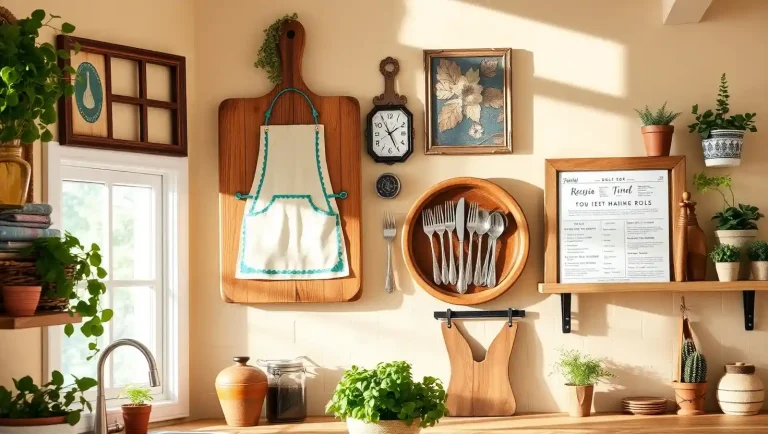
Windowsills are great for sun-loving herbs or succulents. Just line up a few small pots and let them soak up the light—they usually grow stronger that way.
Take a look above the fridge or under wall cabinets, too. Adding floating shelves up there turns empty space into a mini garden, and you’ll still have plenty of room for cooking down below.
Vertical and Hanging Arrangements
Hanging plants from the ceiling or wall-mounted baskets adds visual interest. It also frees up counter space, which is always a plus.
Try sturdy hooks or rods above your kitchen island or near windows. That way, your plants get good light and stay out of the way.
Trailing plants or vines work well for hanging displays. They create a lush, natural vibe and don’t ask for wide pots.
You can mix herbs with decorative plants. It looks good and gives you fresh ingredients within reach.
Vertical gardens are worth considering too. Installing a narrow wall planter lets you pack in several plants without using much space.
This setup creates a living green wall that instantly brightens your kitchen. It’s a small change, but it makes a big difference.
Tips to try:
- Try macrame hangers or metal plant holders for a bit more style.
- Group hanging plants at different heights. The mix keeps things interesting.
- Combine vertical racks with pot hooks to create a multi-level plant station.