How to Plan a Kitchen Remodel on a Tight Budget

A kitchen remodel can feel overwhelming—especially when money is tight. The kitchen is often the heart of the home, but it’s also one of the most expensive spaces to renovate.
Cabinets, appliances, countertops, and labor costs can add up fast. The good news? With smart planning, clear priorities, and a little creativity, you can transform your kitchen without draining your savings.
This guide will walk you through practical, realistic steps to help you create a functional and attractive kitchen while keeping costs under control.
Start With a Clear Budget (and Stick to It)
Before you look at paint colors or backsplash ideas, define your budget.
This isn’t just a rough number—it should be a firm spending limit that includes materials, labor, permits, and a contingency fund.
A good rule of thumb is to set aside 10–15% of your total budget for unexpected expenses.
In older homes, surprises like outdated wiring or plumbing issues are common. Planning for them upfront helps you avoid stress and debt later.
Write your budget down and break it into categories such as cabinets, countertops, appliances, flooring, and labor.
This will help you see where your money is going and where you may need to cut back.
Decide What Really Needs to Change
Not everything in your kitchen needs to be replaced.
One of the biggest mistakes homeowners make is tearing out items that are still functional.
Ask yourself:
- What is outdated but still usable?
- What is broken, unsafe, or inefficient?
- What changes will have the biggest impact on daily use?
For example, if your cabinets are sturdy but ugly, refinishing or painting them is far cheaper than replacing them.
If your layout works well, avoid moving plumbing or gas lines, which can significantly increase costs.
Focus your spending on improvements that solve real problems rather than cosmetic upgrades that offer minimal value.
Plan Your Layout Carefully
Changing the kitchen layout is one of the most expensive parts of a remodel.
Moving sinks, stoves, or dishwashers usually requires plumbing, electrical, and sometimes structural work.
If you’re on a tight budget, try to keep the existing layout. Instead, improve efficiency by:
- Adding pull-out shelves inside cabinets
- Improving lighting in work areas
- Replacing bulky fixtures with sleeker, modern ones
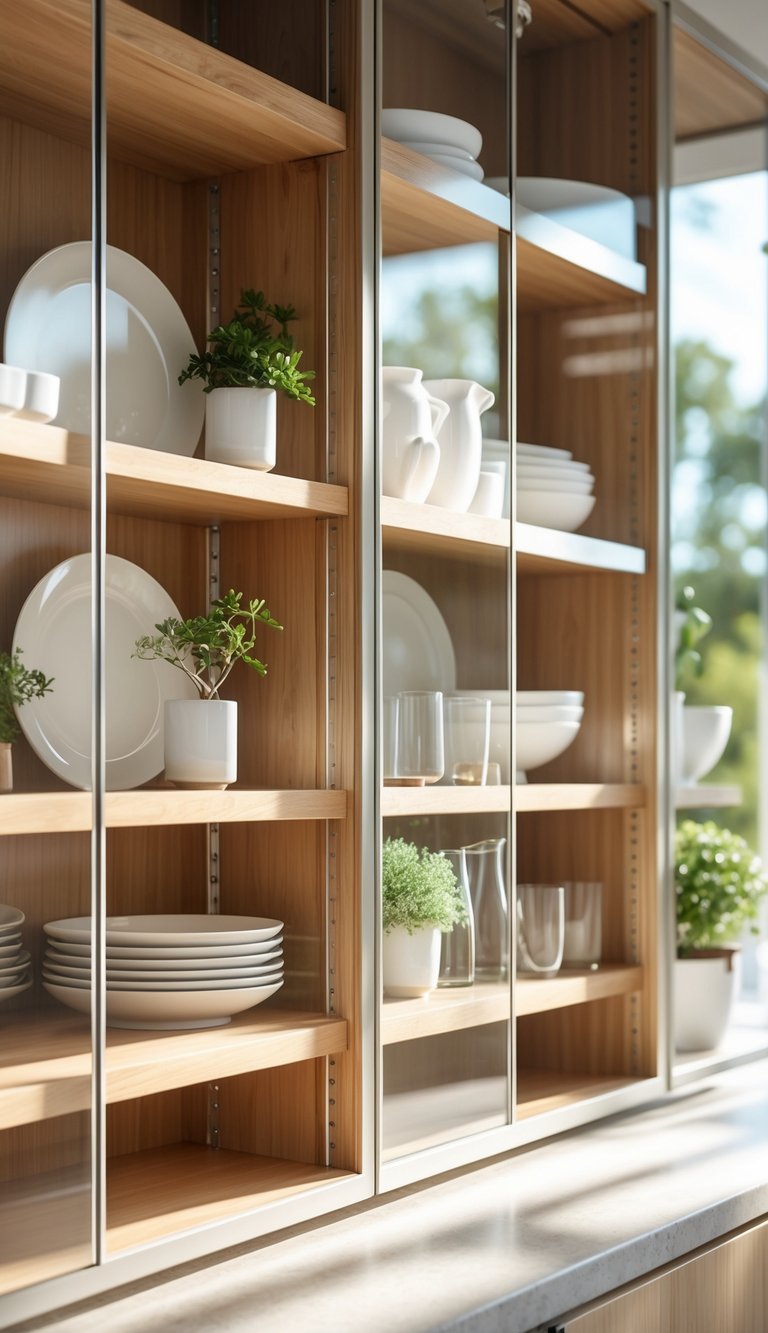
Even small layout tweaks, like removing a cabinet to create open shelving, can make the kitchen feel more spacious without major construction.
Refresh Cabinets Without Replacing Them
Cabinets often take up the largest portion of a kitchen remodel budget. Fortunately, there are several cost-effective alternatives to full replacement.
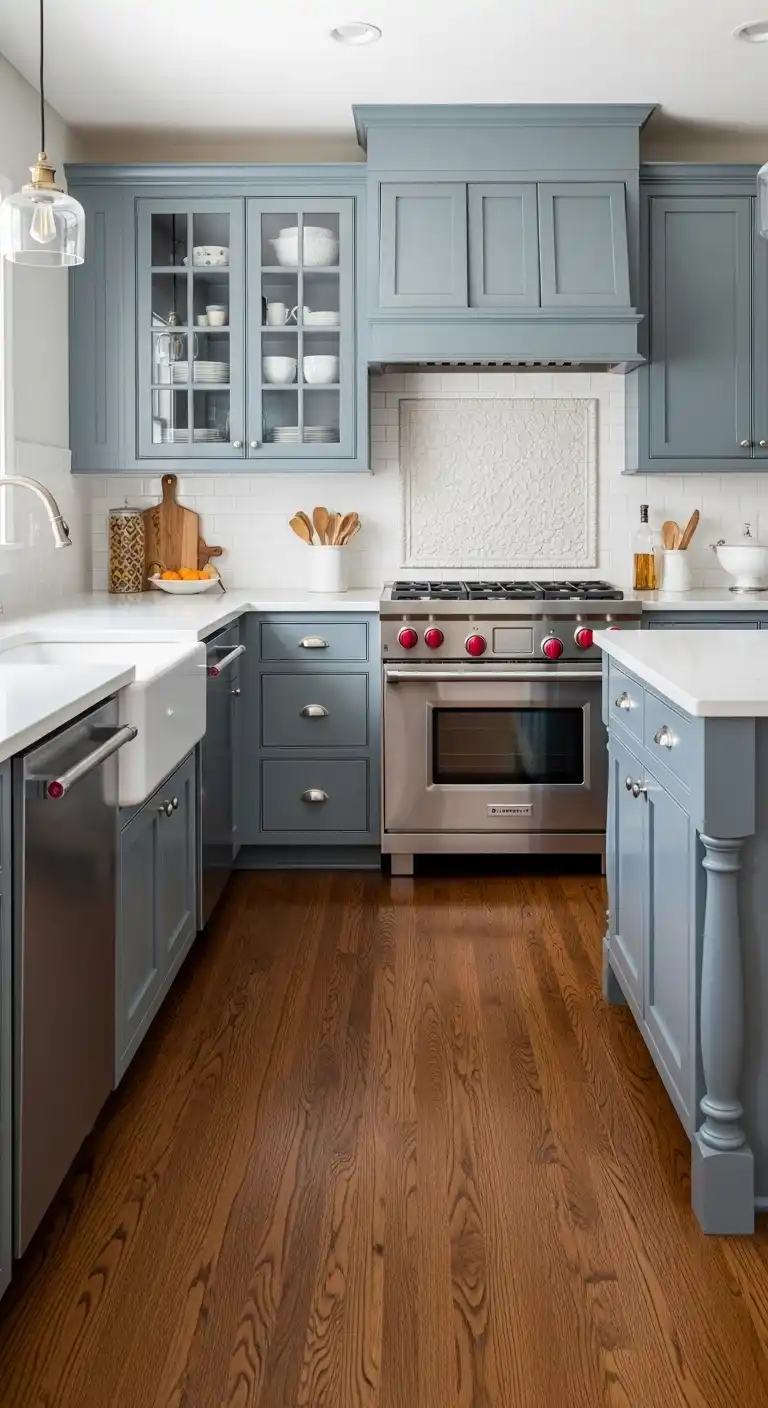
Painting or staining cabinets can completely change the look of your kitchen for a fraction of the cost.
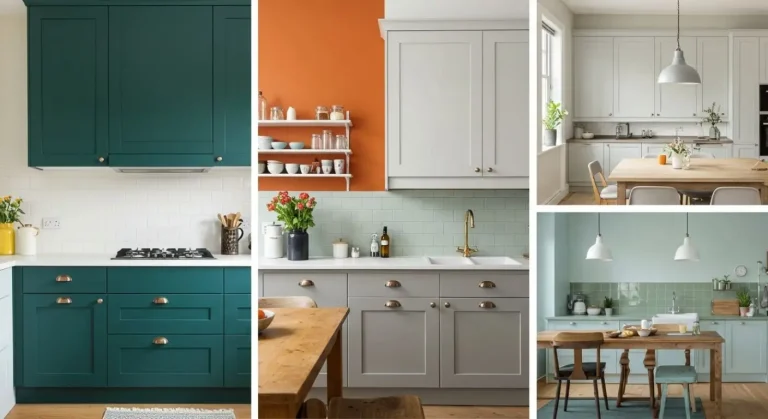
Choose neutral colors like white, gray, or warm wood tones for a timeless appeal.
Replacing hardware—handles, knobs, and hinges—is another inexpensive upgrade with a big visual payoff. Modern hardware can instantly update older cabinetry.
If some cabinets are damaged, consider replacing only those rather than the entire set.
Choose Budget-Friendly Countertops
High-end countertops like quartz or granite are beautiful, but they can be expensive.
If your budget is limited, consider affordable alternatives that still look great.
Options include:
- Laminate (now available in stylish, modern designs)
- Butcher block for warmth and character
- Tile countertops for a custom look at a lower price
Mixing materials can also save money.
For example, use a premium countertop on an island and a more affordable option on perimeter counters.
Save on Appliances Strategically
Appliances don’t all need to be replaced at once. If your current appliances work well, consider keeping them and upgrading gradually.
When you do buy new ones:
- Look for energy-efficient models that save money long-term
- Shop during holiday sales or clearance events
- Consider scratch-and-dent or open-box deals from reputable retailers
Stainless steel is popular, but matching finishes aren’t mandatory. A coordinated but not identical set can still look intentional and modern.
Flooring: Affordable and Durable Options
Kitchen flooring must handle spills, foot traffic, and frequent cleaning. Luckily, there are many budget-friendly materials that offer durability and style.
Vinyl plank flooring is a popular choice because it’s water-resistant, easy to install, and mimics the look of wood or stone. Ceramic tile is another affordable option, especially for smaller kitchens.
If your existing floor is in decent condition, consider professional cleaning or refinishing instead of replacement.
DIY Where It Makes Sense
Labor costs can account for a large portion of your remodel budget. Doing some tasks yourself can lead to significant savings—but only if you’re realistic about your skills.
Good DIY projects include:
- Painting walls or cabinets
- Installing hardware
- Adding a backsplash
- Replacing light fixtures
Leave complex electrical, plumbing, and structural work to professionals. A mistake in these areas can end up costing far more than you save.
Shop Smart and Compare Prices
Never buy the first option you see. Take time to compare prices across multiple stores and online retailers. Look for:
- Clearance sections
- Overstock items
- End-of-line products
Reuse and salvage stores can also be goldmines for budget remodelers. You may find cabinets, fixtures, or lighting at a fraction of retail prices.
Patience pays off. Waiting for the right deal can save hundreds—or even thousands—of dollars.
Focus on High-Impact Visual Upgrades
If your budget is tight, concentrate on changes that offer the most visual impact for the least money.
Examples include:
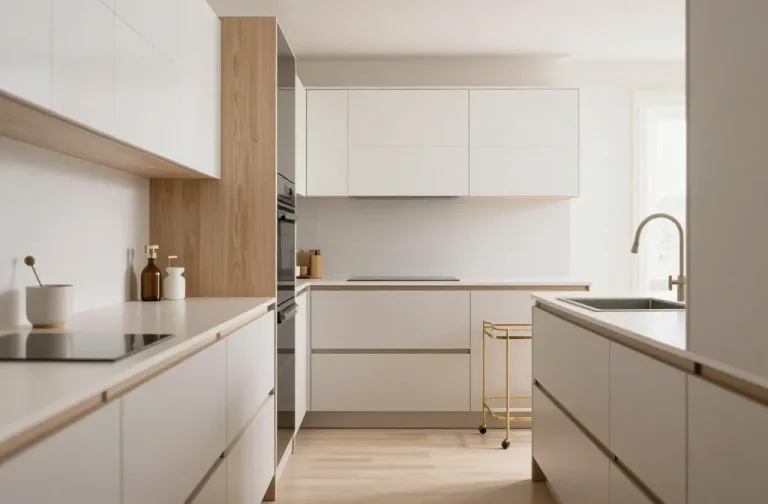
- A fresh coat of paint in a light, neutral color
- A simple backsplash using peel-and-stick tiles
- Updated lighting, especially under-cabinet lights
These upgrades can dramatically change how your kitchen looks and feels without major construction.
Plan for the Future
Even if you can’t do everything now, plan your remodel with future upgrades in mind. Choose designs and materials that allow for easy updates later.
For example, install cabinets that can accommodate new appliances in the future, or select neutral finishes that won’t clash with later additions.
This phased approach helps you spread costs over time while still moving toward your dream kitchen.
Final Thoughts
Learning How to Plan a Kitchen Remodel on a Tight Budget is all about smart decision-making.
By setting a realistic budget, prioritizing essential upgrades, reusing what you can, and shopping strategically, you can achieve a beautiful, functional kitchen without overspending.
A successful budget remodel doesn’t mean sacrificing style—it means being intentional.
With careful planning and a bit of creativity, your kitchen can become a space you love, no matter how tight your budget may be.