How to Host a Dinner Party: The Ultimate Guide


There is something inherently magical about a dinner party. In an era dominated by digital interactions and fast-casual dining, gathering a group of friends around a physical table to share a meal remains one of the most profound ways to connect.
However, for many, the idea of hosting can feel more like a high-stakes performance than a pleasant evening.
The pressure to have a Pinterest-perfect home, a Michelin-star menu, and the wit of a late-night talk show host can be paralyzing.
The truth is, the best gatherings aren’t about perfection; they are about hospitality. If you are wondering how to host a dinner party that is both sophisticated and stress-free, you’ve come to the right place.
This comprehensive guide will walk you through every step of the process, from the initial spark of an idea to the final clink of the glasses.
Defining Your Vision: The Foundation of the Evening

Before you buy a single ingredient, you need to decide what kind of evening you want to have.
Is this a formal four-course affair to celebrate a promotion? Or is it a “shoes-off, wine-on-the-couch” kind of Friday night?
Choose Your Theme and Vibe
A theme doesn’t have to mean costumes. It can be as simple as a regional cuisine (e.g., “A Night in Tuscany”) or a seasonal focus (“Summer Harvest”).
Having a theme helps narrow down your menu and decor choices, making the planning process much easier.
The Guest List
The chemistry of the table is the most important “ingredient.” When considering how to host a dinner party, think about the mix of personalities.
A group of six to eight is usually the “sweet spot”—it’s large enough to have a diverse conversation but small enough that everyone can participate in a single discussion.
If you’re inviting people who don’t know each other, try to find common threads you can use to introduce them.
Planning the Menu: Strategy Over Showmanship
The biggest mistake hosts make is choosing recipes that keep them trapped in the kitchen.
You are the guest of honor at your own party; if you are sweating over a stove while everyone else is laughing in the living room, you aren’t really hosting.
The “Golden Rule” of Hosting
Never cook a brand-new, complex recipe for the first time at a dinner party. Stick to dishes you know well, or at least do a “dry run” a week before.
The Three-Course Balance
- The Appetizer: Keep it cold or room temperature. A charcuterie board, whipped ricotta with honey, or simple olives and nuts allow guests to graze while you finish the main.
- The Main Event: Opt for “low and slow” dishes or one-pot wonders. Braised short ribs, a hearty lasagna, or a roasted sheet-pan chicken are excellent because they stay warm and don’t require last-minute sautéing.
- The Dessert: Don’t be afraid to outsource. A high-quality pint of gelato with fresh berries or a cake from your favorite local bakery is perfectly acceptable.
Dietary Restrictions
In your invitation, always ask: “Do you have any allergies or dietary preferences I should be aware of?”
It is much easier to plan a gluten-free or vegan option two weeks out than it is to scramble while the oven is preheating.
Setting the Scene: Ambiance and Decor

You don’t need a professional interior designer to make your home feel inviting. Ambiance is about the senses: sight, sound, and smell.
Lighting is Everything
If there is one rule for how to host a dinner party, it is this: turn off the overhead lights. Bright, clinical lighting kills the mood.
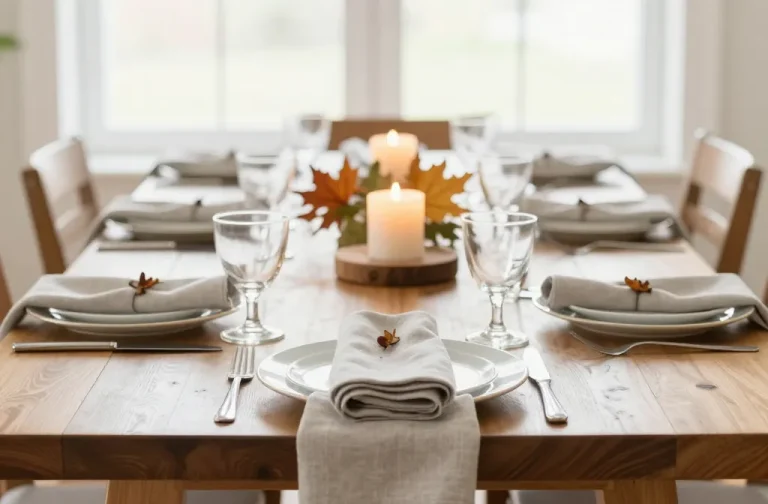
Instead, use floor lamps, table lamps, and—most importantly—candles. Unscented tea lights or tapers on the table provide a warm, flickering glow that makes everyone look and feel better.
The Table Setting
You don’t need fine china. A clean tablecloth (or even a simple runner), cloth napkins, and polished silverware go a long way.
- Flowers: Keep arrangements low. You want guests to be able to see each other over the centerpiece without playing peek-a-boo with a giant vase of lilies.
- Place Cards: For groups larger than six, place cards are a thoughtful touch. They take the “where should I sit?” anxiety out of the equation and allow you to strategically place “the talker” next to “the listener.”
The Soundtrack
Music should be the “wallpaper” of the evening—present but not distracting.
Create a playlist of instrumental jazz, bossa nova, or low-fi beats. Avoid anything with heavy lyrics that might compete with the conversation.
The Countdown: A Timeline for Success
Stress is the enemy of hospitality. The key to staying calm is doing 80% of the work before the first doorbell rings.
- Two Weeks Before: Send out invitations and confirm the guest list.
- One Week Before: Finalize the menu and grocery list. Buy your wine and non-perishables.
- Two Days Before: Clean the house. Focus on the “public” areas: the entryway, the bathroom, and the dining area.
- One Day Before: Do the heavy prep. Chop vegetables, marinate meats, or make sauces. Set the table tonight so it’s one less thing to do tomorrow.
- The Day Of:
- Morning: Finish any last-minute grocery runs.
- Afternoon: Prepare the main dish.
- One Hour Before: Get yourself ready. Pour a glass of wine, put on your playlist, and take ten minutes to relax.
Being the “Host with the Most”
Once the guests arrive, your job shifts from “chef” to “facilitator.”
The First 15 Minutes
The most awkward part of any party is the arrival. Have a “welcome drink” ready to go—whether it’s a signature cocktail, a glass of prosecco, or a sparkling mocktail.
Giving someone a drink gives them something to do with their hands and immediately signals that the party has started.
Managing the Conversation
If you notice a lull, be ready with a few “conversation starters.” Avoid politics or religion unless you know the group very well.
Instead, ask about recent travels, great books, or “the best thing you ate this month.”
Accepting Help
When a guest asks, “Can I do anything to help?”, have a specific, small task ready. “Could you please put these rolls in the basket?” or “Could you fill the water glasses?”
This makes guests feel useful and part of the evening without them getting in your way in the kitchen.
The Art of the Exit
A great dinner party should feel like it could go on forever, but a truly great host knows how to wrap things up.
When the coffee has been served and the conversation starts to wind down, it’s okay to start clearing the table.
Don’t worry about doing all the dishes while guests are there; focus on clearing the clutter so the space feels tidy, then return to the table for a final “nightcap” or a small chocolate.
This signals that the meal is over without making people feel rushed.
Why Hosting Matters
In the end, learning how to host a dinner party is about more than just food. It is about creating a sanctuary for your friends and family.
It’s about providing a space where people feel seen, heard, and nourished.
If the chicken is a little dry or the candle wax drips on the tablecloth, don’t sweat it. Your guests won’t remember the minor mishaps; they will remember the way they felt in your home.
They will remember the laughter, the warmth, and the fact that you cared enough to bring them together.
So, pick a date, send that text, and start planning. The world needs more dinner parties, and you are the perfect person to host the next one.
Whether it’s a simple pasta night or an elaborate feast, the most important ingredient is always your presence.