How Much Fruit for a Fruit Platter?

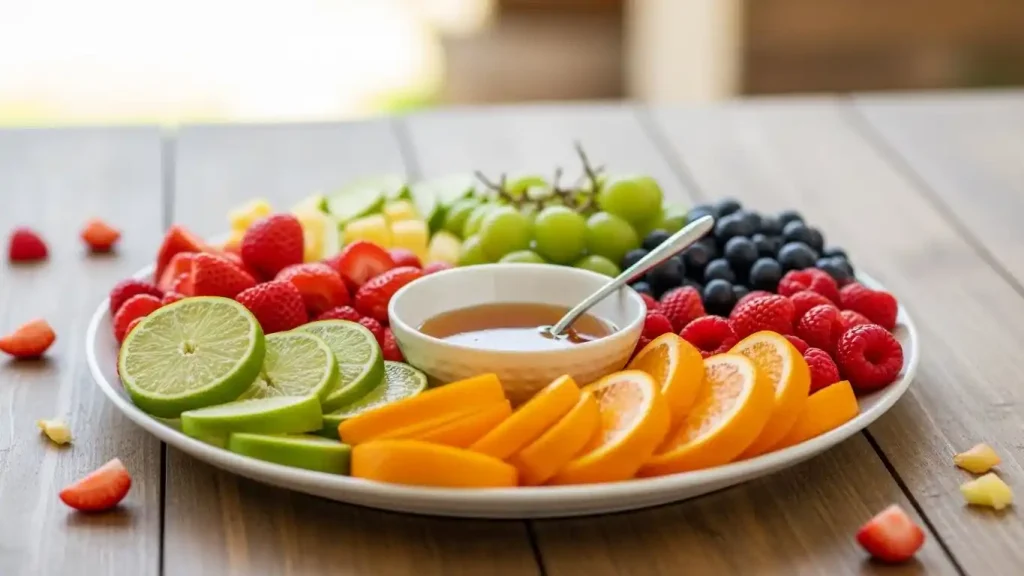
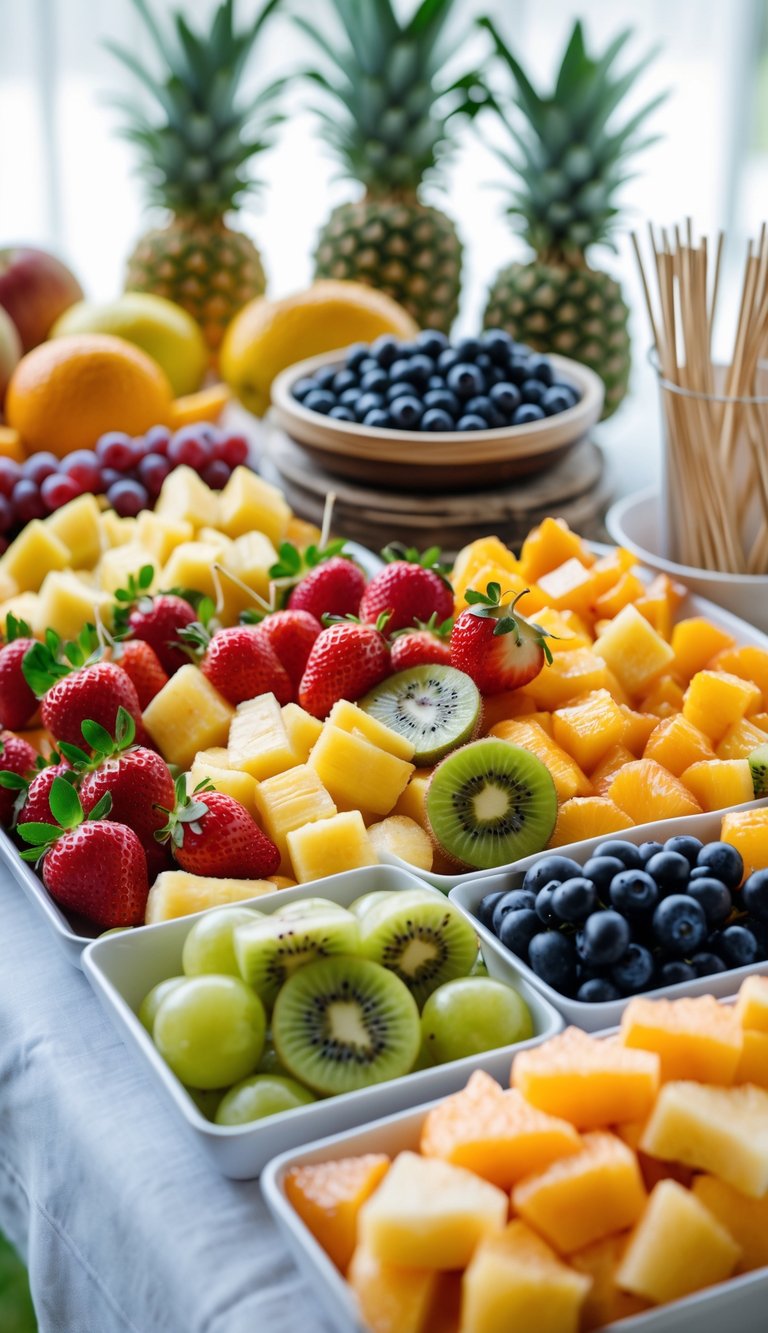
Planning a party or special event? A fruit platter is an excellent addition to any gathering, offering both visual appeal and a healthy option for your guests.
However, one of the most common questions hosts face is: how much fruit for a fruit platter do you actually need?
The answer depends on several factors, including the number of guests, the type of event, and what other food options you’re providing.
This comprehensive guide will help you calculate the perfect amount of fruit for your occasion.
The General Rule of Thumb
When determining how much fruit for a fruit platter you’ll need, a good starting point is to plan for 1 to 2 cups of fruit per person.
This guideline works well for most social gatherings and casual events. However, this is just a baseline—the actual amount you’ll need may vary depending on the circumstances of your specific event (source: Table and Spoon).
The difference between 1 cup and 2 cups per person typically depends on several key factors.
If you’re hosting a dessert-focused event or a brunch where fruit is the main attraction, aim for the higher end of this range.
For cocktail parties or events where you’re offering multiple food options, 1 cup per person may be sufficient.
Factors That Influence Fruit Platter Quantities
Understanding what impacts your fruit needs will help you make more accurate calculations for your specific event.
Type of Event:
The nature of your gathering significantly influences how much fruit guests will consume.
A formal sit-down dinner might require less fruit than a casual outdoor picnic where fruit serves as a primary snack option.
Brunch events, baby showers, and baby shower receptions tend to feature fruit more prominently, so you might want to increase your quantities accordingly.
Guest Demographics:
Consider who’s attending your event. Children typically eat smaller portions, while teens and adults may consume more.
If your guest list is primarily children, you can reduce portions slightly.
Conversely, if you’re hosting a group of health-conscious adults, they might appreciate larger fruit quantities.
Duration of the Event:
How long will your party last? An afternoon gathering lasting 2-3 hours will require different quantities than an all-day event.
The longer guests are present, the more fruit they’re likely to consume.
Other Food Options:
If you’re providing a full meal, cheese boards, desserts, and other snacks, your guests will eat less fruit.
However, if the fruit platter is one of your main offerings, plan for higher quantities.
Season and Fruit Availability:
Seasonal fruits are fresher and more affordable, allowing you to offer larger quantities at better prices.
This is worth considering when planning your budget and quantity.
Calculating for Specific Guest Counts
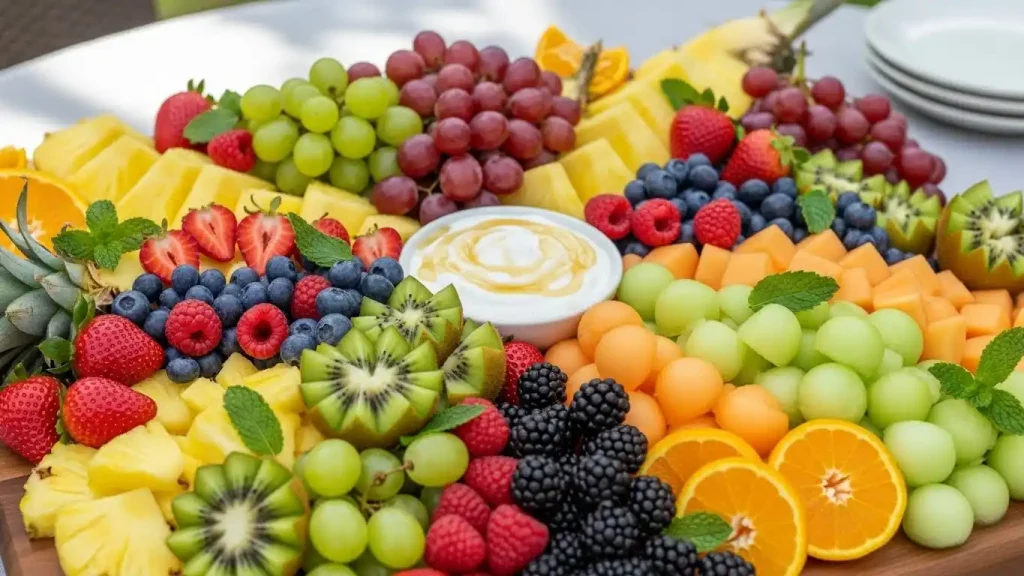
Let’s break down how much fruit for a fruit platter you’ll need for common party sizes.
For 10 People:
Using the 1-2 cups per person guideline, you’ll need 10-20 cups of prepared fruit.
This translates to approximately 8-12 pounds of whole fruit, depending on how much waste occurs during preparation (peeling, coring, etc.).
A good variety might include 2-3 pounds of melons, 2-3 pounds of berries, 2-3 pounds of grapes, 1-2 pounds of citrus, and 1-2 pounds of other fruits like apples or pineapple.
For 25 People:
For a gathering of this size, plan for 25-50 cups of prepared fruit, which works out to approximately 20-30 pounds of whole fruit.
This allows you to create a beautiful, abundant display with good variety.
You can confidently feature multiple melon types, generous berry selections, various citrus options, and supplementary fruits.
For 50 People:
You’ll need 50-100 cups of prepared fruit, roughly 40-60 pounds of whole fruit.
At this scale, you have flexibility to create impressive, diverse platters with multiple arrangements if desired.
You might consider ordering pre-cut fruit from services like Costco to save preparation time (source: Costco Catering).
For 100 People:
For larger events, plan for 100-200 cups of prepared fruit, approximately 80-120 pounds of whole fruit.
Many hosts at this scale consider professional catering options or pre-made fruit platters to manage the logistics (source: Amy Cooks Eats).
Creating a Balanced Fruit Platter Composition
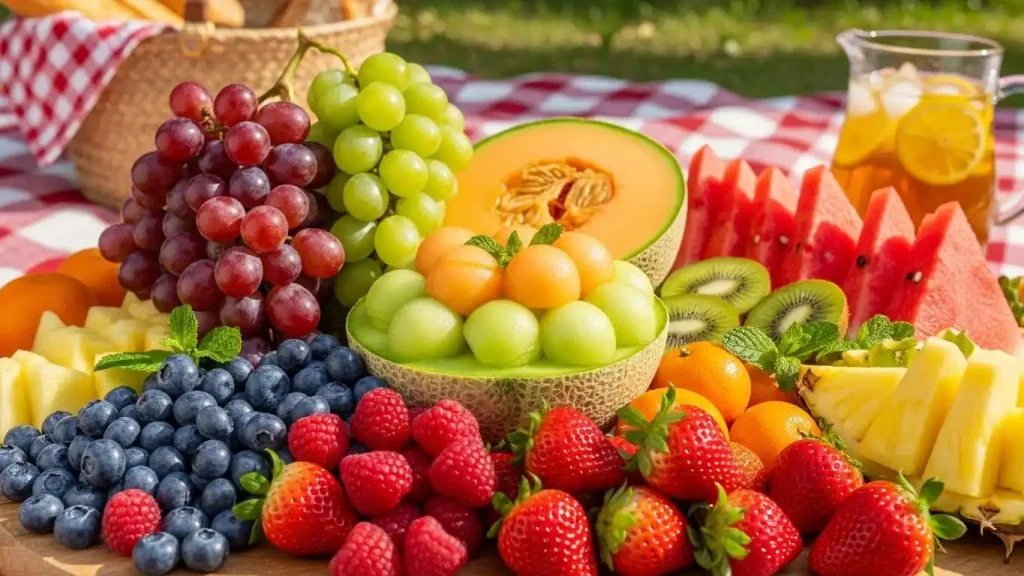
Beyond calculating total quantities, you should also think about variety and balance. A well-designed fruit platter includes a mix of different fruits that offer variety in color, texture, and flavor.
Structural Fruits:
Melons (watermelon, cantaloupe, honeydew) and pineapples form the foundation of most platters.
These larger fruits can be cut into chunks or decorative shapes and provide visual impact. Plan for these to make up about 40-50% of your total fruit quantity.
Berries:
Strawberries, blueberries, raspberries, and blackberries add color, sweetness, and elegance to any platter.
These should constitute about 20-30% of your total fruit. Berries are often left whole, making them convenient to add last-minute and simple for guests to grab.
Citrus Fruits:
Oranges, grapefruits, tangerines, and lemons add brightness and visual contrast.
Plan for these to make up about 10-15% of your platter.
Supplementary Fruits:
Apples, pears, grapes, and kiwis round out your platter and add additional variety. These should comprise about 10-20% of your total fruit quantity.
This composition approach ensures you create an visually appealing, well-balanced platter that appeals to diverse tastes.
Budget Considerations
The cost of your fruit platter will vary based on seasonality, location, and fruit selection.
Generally, melons and apples are among the most budget-friendly options, while berries and exotic fruits tend to be pricier.
When calculating costs for larger events, buying seasonal fruits and shopping at warehouse retailers like Costco can help you save significantly on your per-pound fruit costs.
Pre-Cut Versus Whole Fruit Preparation
Deciding whether to cut fruit yourself or purchase pre-cut options affects both your timing and quantities.
Pre-cut fruit from retailers typically costs more but saves significant preparation time.
If you’re purchasing pre-cut fruit, you may need slightly more volume since some preparation waste has already been removed.
However, pre-cut fruit doesn’t last as long, so timing your purchase carefully is essential.
Pro Tips for Success
Prepare a Backup: Have an additional 20-30% extra fruit on hand. This accounts for any last-minute changes, unexpected guests, or fruit that doesn’t meet your quality standards during preparation.
Know Your Space: The size of your serving platter or table influences how fruit is arranged. Larger displays naturally accommodate more fruit and look more impressive, so don’t be afraid to purchase generously.
Mix Textures and Colors: Beyond quantity, focus on creating visual interest. The contrast between soft berries, firm melons, and juicy citrus creates an appealing presentation.
Consider Timing: Remember that cut fruit should ideally be prepared 2-4 hours before serving, so plan your shopping and preparation accordingly (source: Eat Healthy 365).
Final Recommendations
When planning your fruit platter, use the 1-2 cups per person guideline as your foundation, then adjust based on your specific circumstances.
For most events, aiming toward the higher end of this range ensures you have plenty of fruit for an impressive display that won’t run out prematurely.
Remember that it’s better to have slightly too much fruit than too little. Leftover fruit can be enjoyed afterward or saved for additional servings.
By understanding how much fruit for a fruit platter you need and planning accordingly, you’ll create a stunning centerpiece that impresses your guests and contributes to an unforgettable event.
Whether you’re hosting an intimate gathering of 10 or a large celebration of 100, these guidelines will help you determine the perfect fruit quantities for your occasion. Happy hosting!